



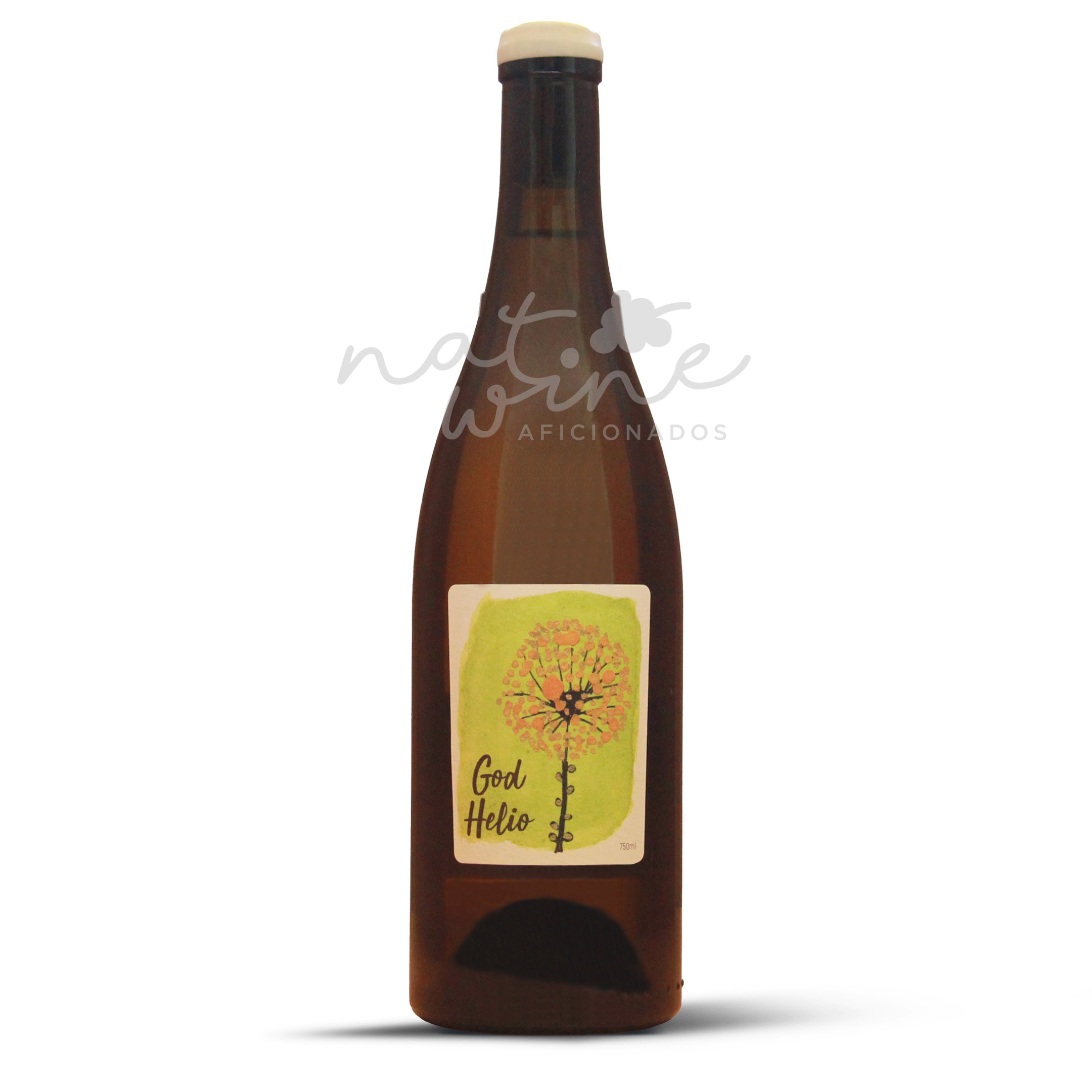
Microbodega Del Alumbro
God Helio 2021
14,50 €
+0.00 pts for the Aficionados Club
In stock
A seductive, dry and youthful white wine. An excellent companion for the table.
Technical Sheet
-
Região: Zamora
-
Castas: Godello
-
Cor / Estilo: Orange
-
Solo: Rolled stone and sand over a clay base. Altitude 860 – 900.
-
Área das Vinhas: 4.5 hectares
-
Idade das Vinhas: Planted in 1909.
-
Colheita: Hand-harvested.
-
Vinificação: Spontaneous alcoholic fermentation by native yeasts. Direct pressing, then it remains on its fine lees for 6 months, being stirred according to the lunar calendar.
-
Envelhecimento: Spontaneous alcoholic fermentation by native yeasts. It remains on its fine lees for 6 months, being stirred according to the lunar calendar.
-
Colagem / Filtração: No / No
-
Adição de Sulfuroso: 0 mg/L
-
Alcohol: 14.2 %
-
Produção: 1585 bottles.
-
Volume: 0.75 L
Producer
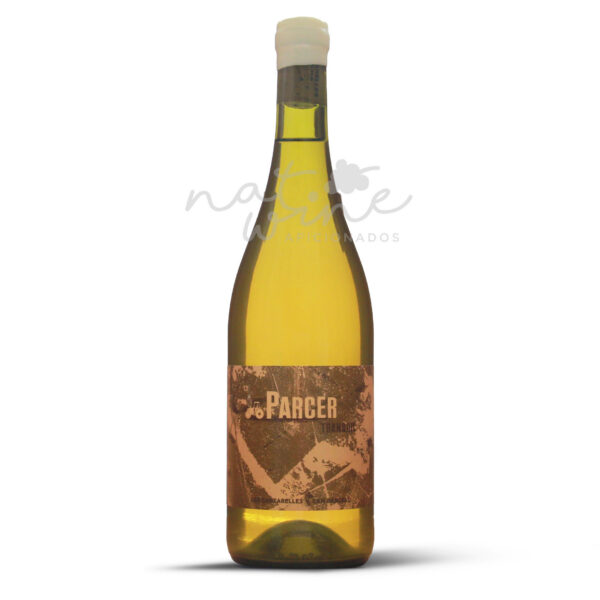
Nuria Renom – Can Barceló
Parcel Tranquil 2022
15,80 €
Elegant, aromatic and dry white. With low alcohol content, it shows a delicate fruity acidity on the palate. The finish is long and persistent.
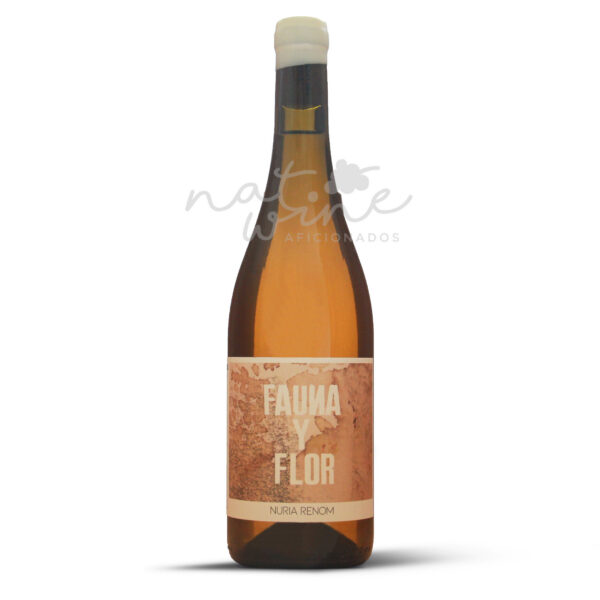
Nuria Renom – Can Barceló
Fauna y Flor 2022
22,70 €
Fresh, elegant and balanced wine. Slightly herbaceous on the palate, though minerality is always present. Saline and enveloping finish.
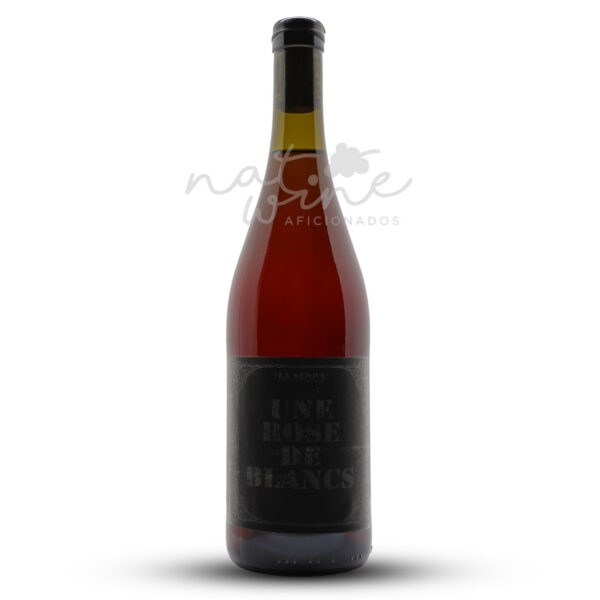
Bodega La Senda
Une Rosé De Blancs 2024
14,70 €
Intense rosé colour. Nose with notes of white flowers, citrus, stone fruit, ripe red berries and a captivating smoky touch. Fresh, juicy palate, with a fruity and lightly smoky finish. A gastronomic rosé.
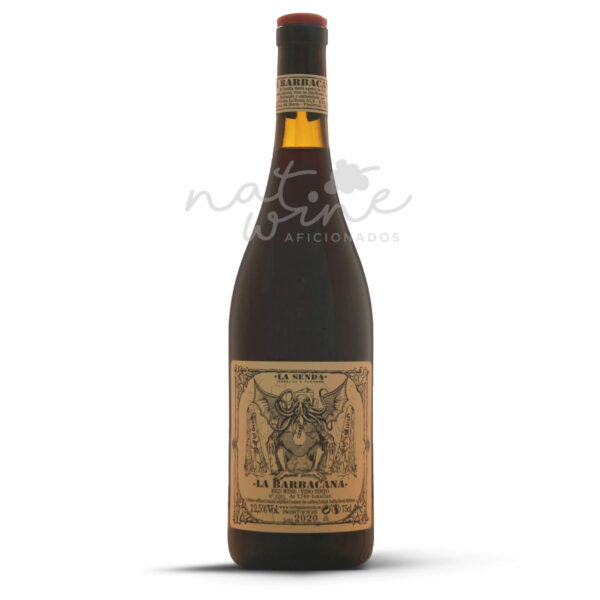
Bodega La Senda
La Barbacana 2020
17,40 €
Garnacha Tintorera full of freshness, tension and minerality. Lively tannins and vibrant acidity.
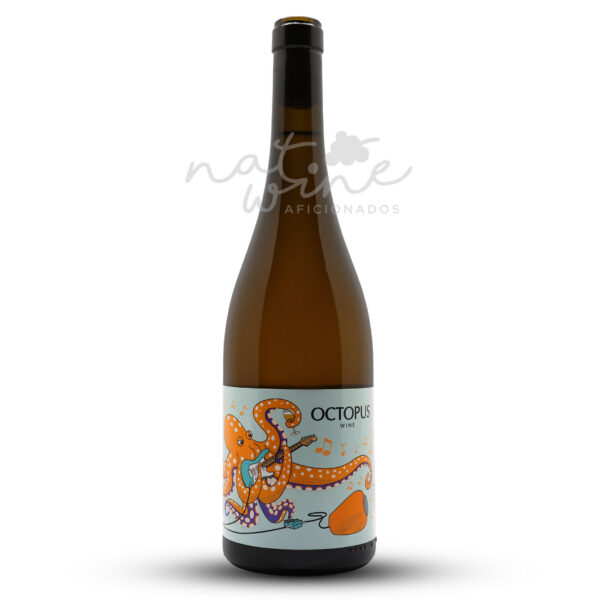
Constantina Sotelo
Octopus 2023
18,90 €
This is an unexpected wine, very complex, delicate and subtle. It stands out for its ample body and taut structure, where the well-defined acidity integrates perfectly, revealing notes of dried apricot, plum and candied fruit.
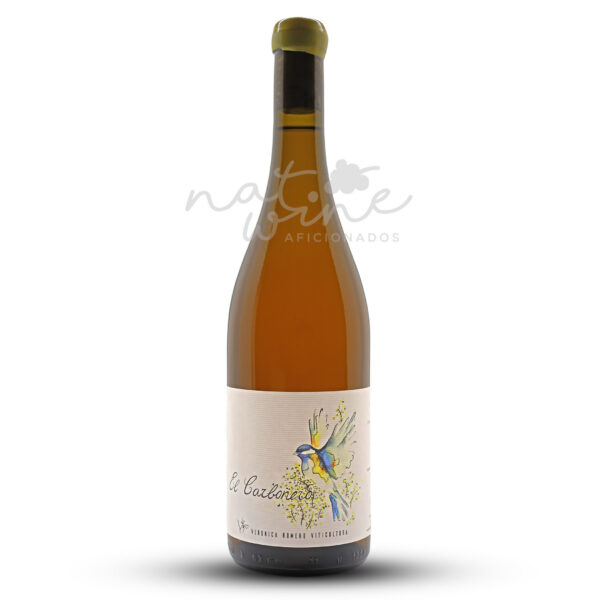
Verónica Romero
El Carbonero 2023
14,70 €
Golden-yellow colour. On the nose it shows floral and anise traces, but also the presence of baked apple, dried apricots and hay. Pleasant palate entry, with freshness supported by citrus fruits. Good body on the palate in a long finish, with a well-built bitterness.
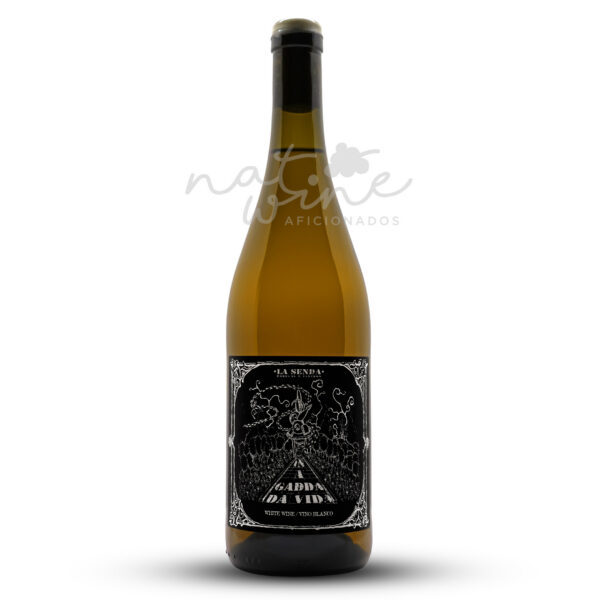
Bodega La Senda
In A Gadda da Vida 2024
18,30 €
Orange wine with texture and nerve. Aromas of dried flowers, apricot, citrus peel and subtle spice notes. On the palate it shows stone fruit and herbaceous notes. A deep wine, with a long, dry finish.
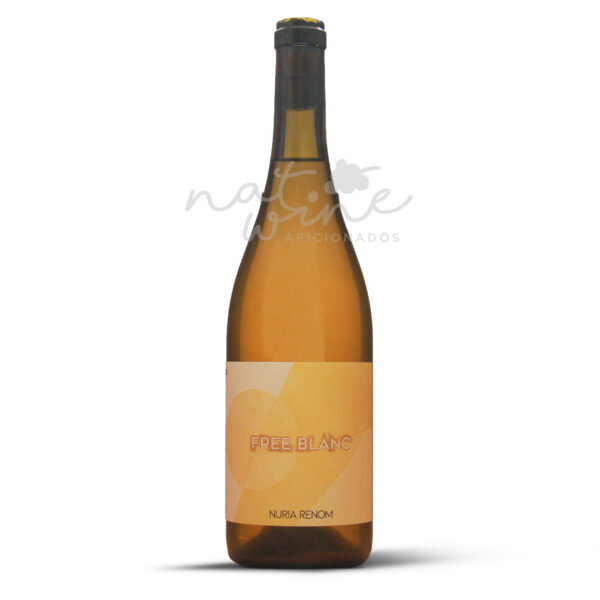
Nuria Renom – Can Barceló
Free Blanc 2022
15,20 €
On the nose it shows fresh aromas of lemon peel. On the palate it reveals herbaceous notes, but the keynote is freshness wrapped in an almost electric acidity. Light and fresh.
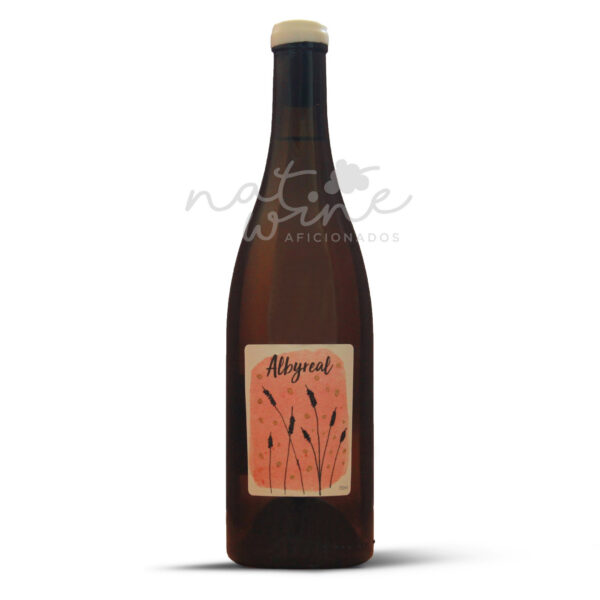
Microbodega Del Alumbro
Albyreal 2021
14,50 €
Typical Albillo Real aromas, but with sufficient acidity, some residual sugar and notes of caramel and chamomile. Elegance and delicacy with medium body.
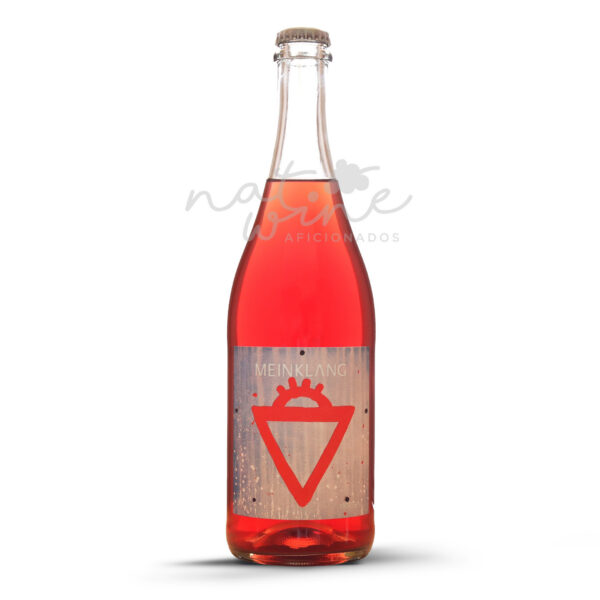
MeinKlang
Morgen Edition 2 N.V.
25,00 €
With a light effervescence, this rosé reveals in the nose aromas of wild strawberry and current. Did you have a busy day? Open this wine in the evening, serve it at 10 - 12°C, and you’ll see how the active acidity of the grape Sankt Laurent will provide you with moments of good mood and liveliness.
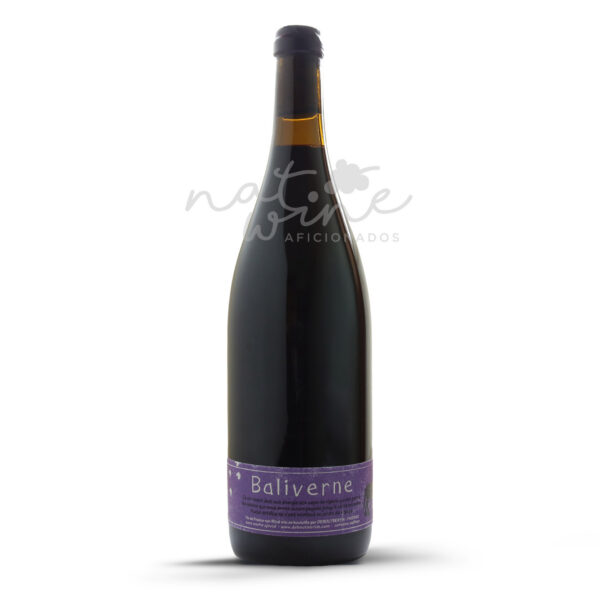
Deboutbertin
Baliverne 2019
20,90 €
Dark-hued Grolleau, sourced from a small parcel of schist and quartz. Rebellious character, and rustic on the nose. In the mouth, it reveals nuances of dark fruit and a kind of acidity that confers the wine an irresistible balance. Gastronomic wine. Serve a bit chilled.
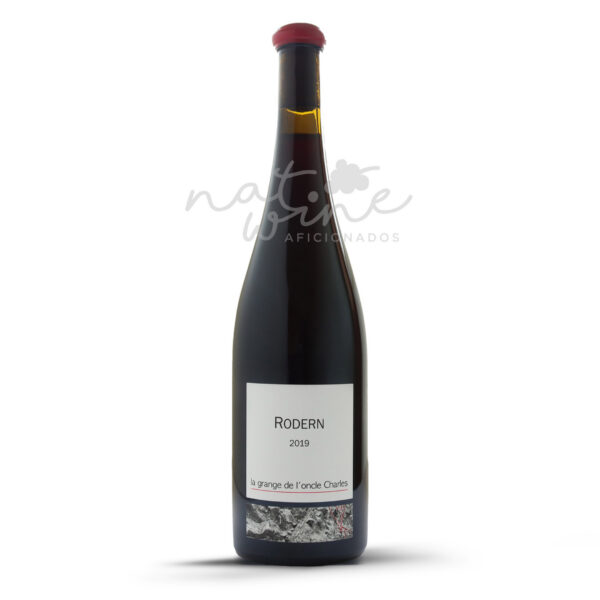
La grange de l'oncle Charles
Rodern 2019
32,00 €
Very aromatic on the nose, showing wild fruits and dried flowers. Dense and spicy in the mouth, with very delicate tannins. Conveying a lot of personality. It is advisable to decant.
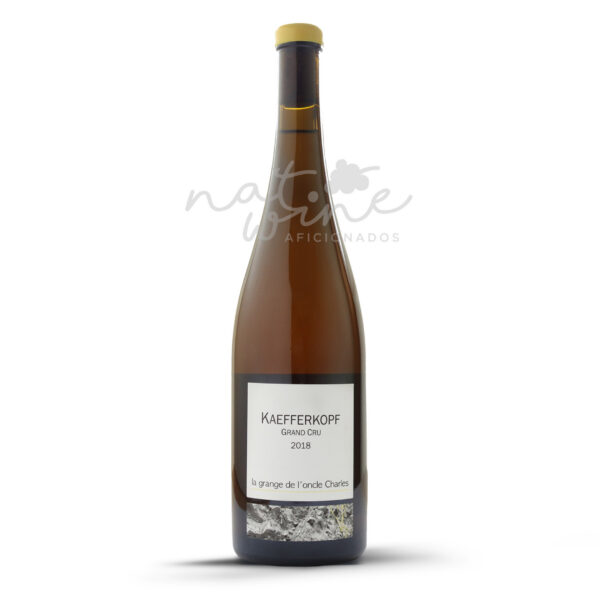
La grange de l'oncle Charles
Kaefferkopf Grand Cru 2018
51,00 €
An old-school kind of wine. On the nose, it shows a complex fusion of tangerine peel, pear, and dried fruits. In the mouth, we feel the rustic, imposing energy, a mixture of power and vivacity. The finish is long and assertive. Ideal to pair with savory, elaborate dishes.
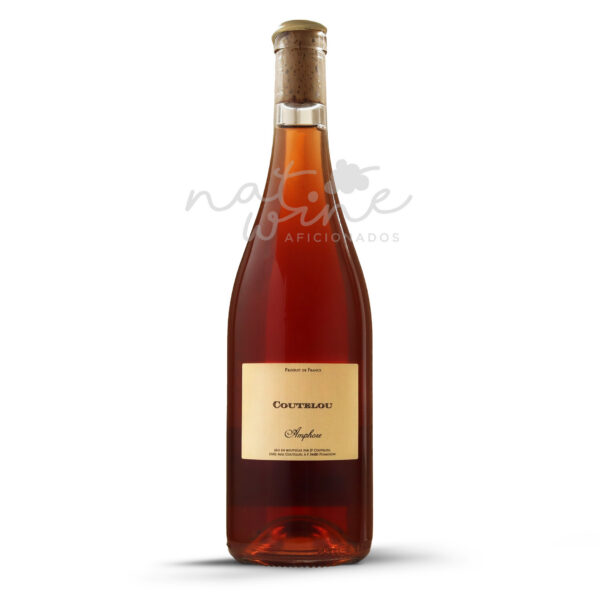
Mas Coutelou
Amphore Métissée 2019
21,80 €
Red grapes are vinified as white wine. Aged in amphora, it will definitely last many years in the bottle. Decant it, if you can’t resist opening it now.
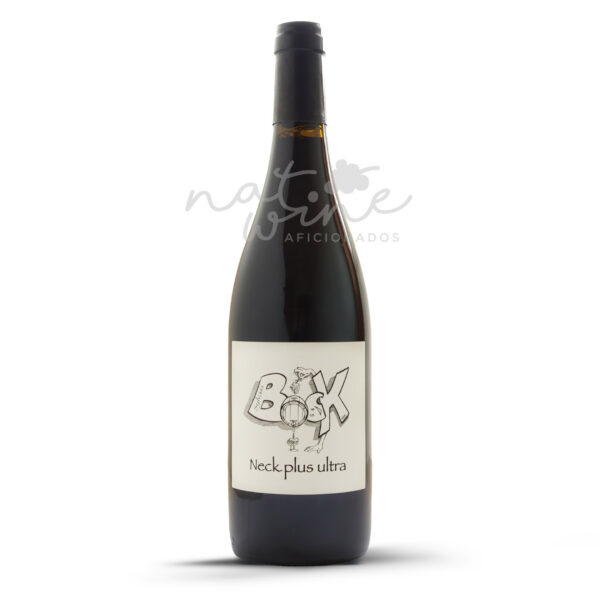
Sylvain Bock
Neck Plus Ultra 2019
18,90 €
Full-bodied, deep, robust red, distinguished by spicy notes. To drink now, although it will reward those who are willing to keep it for a couple of years.
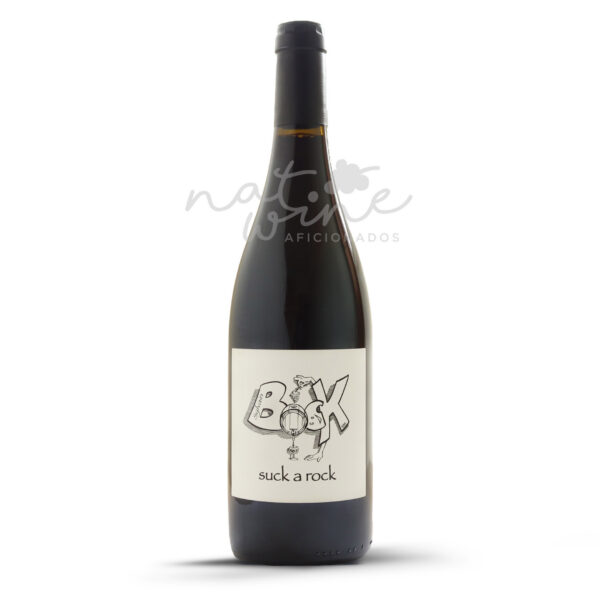
Sylvain Bock
Suck a Rock 2019
18,60 €
Enjoyable and agreeable to drink. Notes of violet, nuanced by the freshness and balance, are the main components of the whole wine.
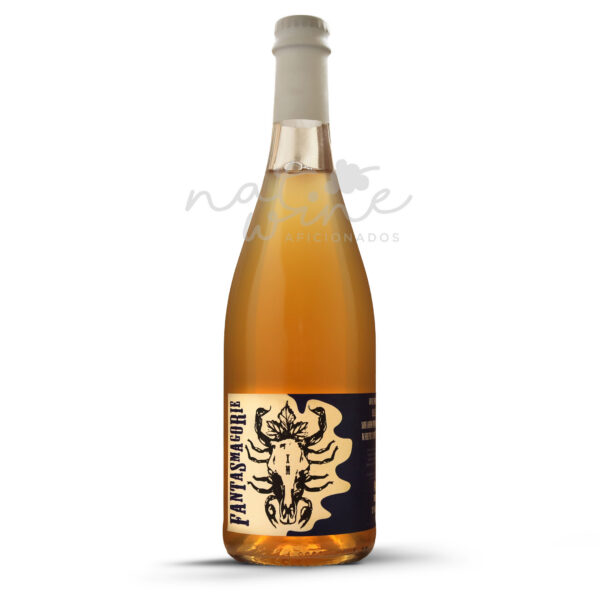
Xavier Marchais
Fantasmagorie 2019
19,60 €
An orange wine made of Chenin! The nose reveals hints of jam, mixed with Spring flowers. In the mouth stands out a balanced acidity. It was bottled with some of the lees to give it some unctuousness over time.