


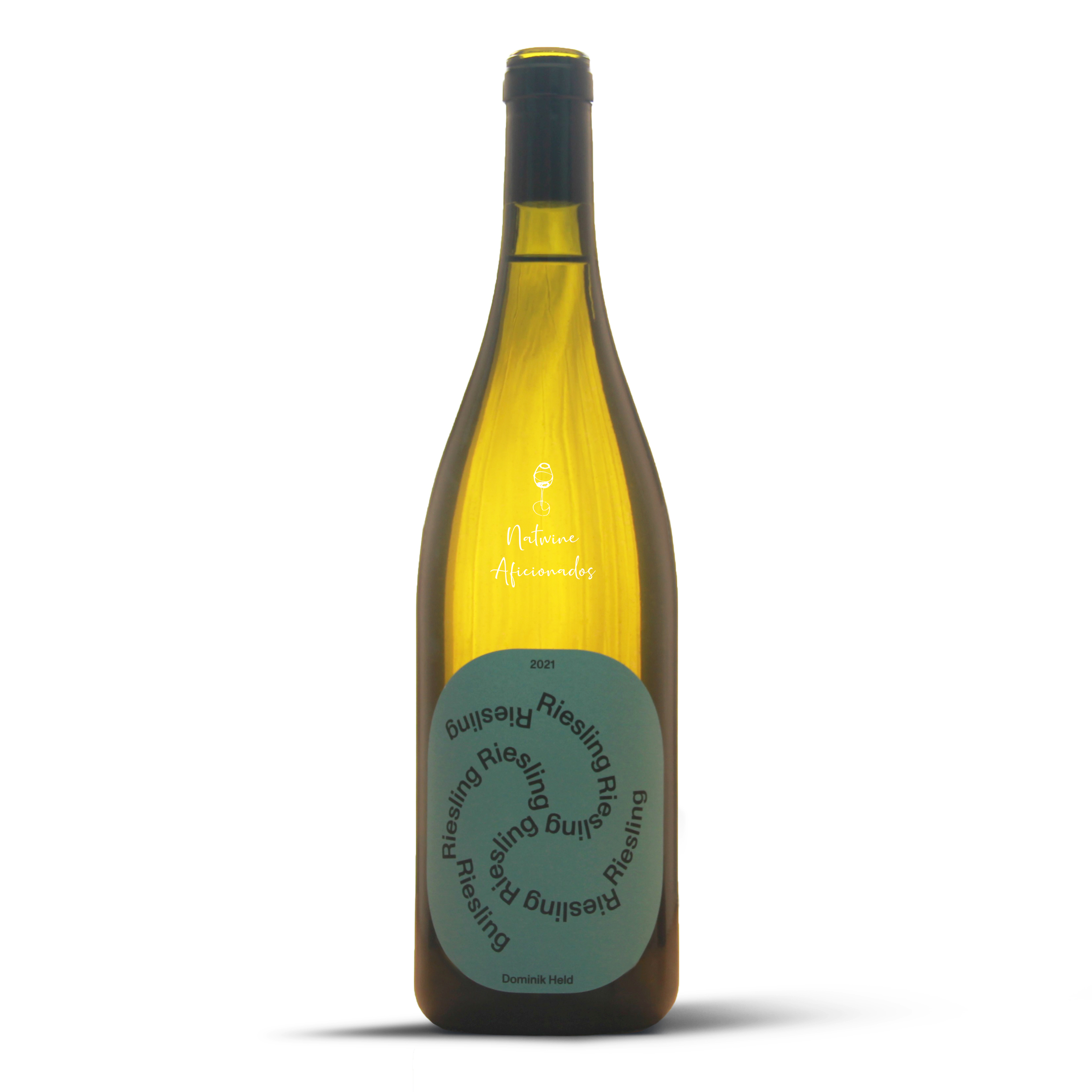
Dominik Held
Riesling 2021
17,90 €
+0.00 pts for the Aficionados Club
Only 6 left in stock
Rather seductive, this delicate and fresh Riesling has subtle stone fruit aromas. Taut, with an incredibly smooth yet lively acidity. Complex, with a long finish.
Technical Sheet
-
Região: Rheinhessen
-
Castas: Riesling
-
Cor / Estilo: White
-
Solo: Limestone soils of loess and marl.
-
Área das Vinhas: 2.5 hectares
-
Idade das Vinhas: 15 years
-
Colheita: Hand-harvested grapes.
-
Vinificação: Spontaneous fermentation.
-
Envelhecimento: Part in old oak barrels and part in stainless steel.
-
Colagem / Filtração: No / No
-
Adição de Sulfuroso: 10 mg/L
-
Alcohol: 11 %
-
Produção: 1,000 bottles
-
Volume: 0.75 L
Producer
Pairing
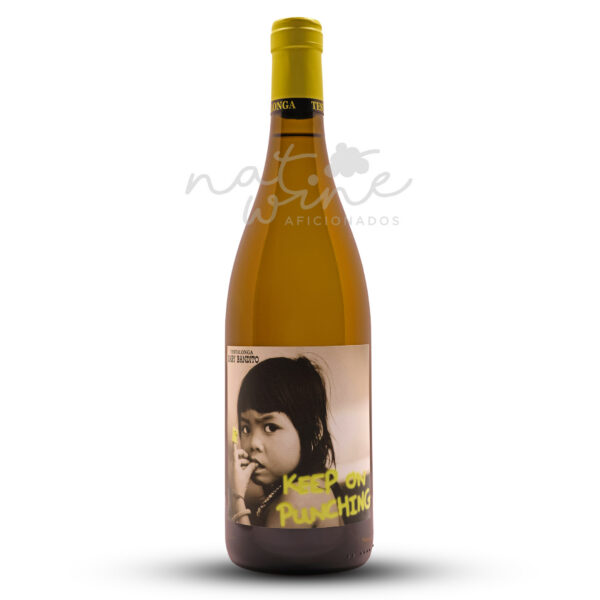
Testalonga
Baby Bandito – Keep on Punching 2024
WhitesSwartland
15,90 €
Crystalline yellow, paler than shiny. Green apple acidity, wonderfully refreshing. The finish is like sucking on a white peach pit. Ideal for chicken or shrimp with Asian spices. In a blind tasting, you'd swear it was an authentic Loire Chenin.
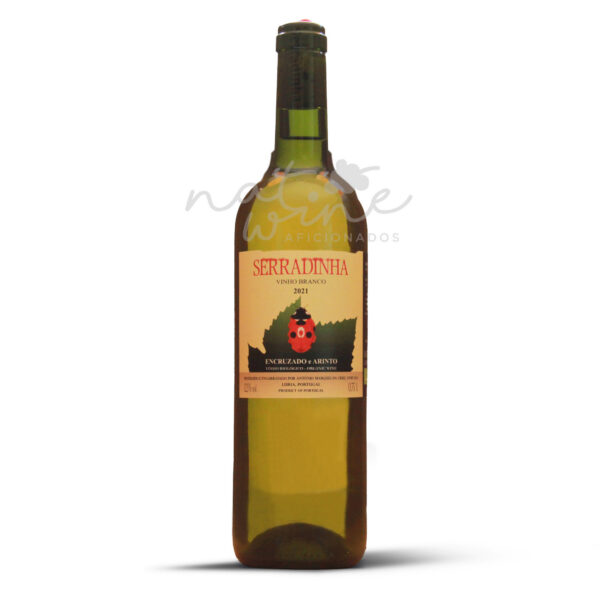
Quinta da Serradinha
Serradinha Encruzado e Arinto 2021
WhitesLisbon
20,80 €
Very complex, structured, with the fruit well integrated into the acidity. If you have the patience, decant it for about an hour, and you'll see a well-marked development of citrus and salinity.
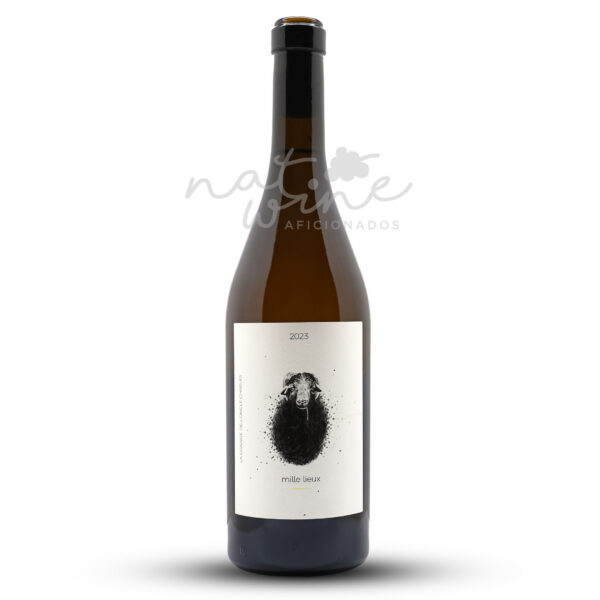
La grange de l'oncle Charles
Mille Lieux 2023
WhitesAlsace
18,90 €
The nose is intense, with floral notes, aromas of very ripe apple and menthol. On the palate it is full-bodied, with a subtle honeyed touch, revealing itself to be surprisingly fresh and delicate. The slight oxidative touch gives it a good finish. It's a complex and introspective wine!
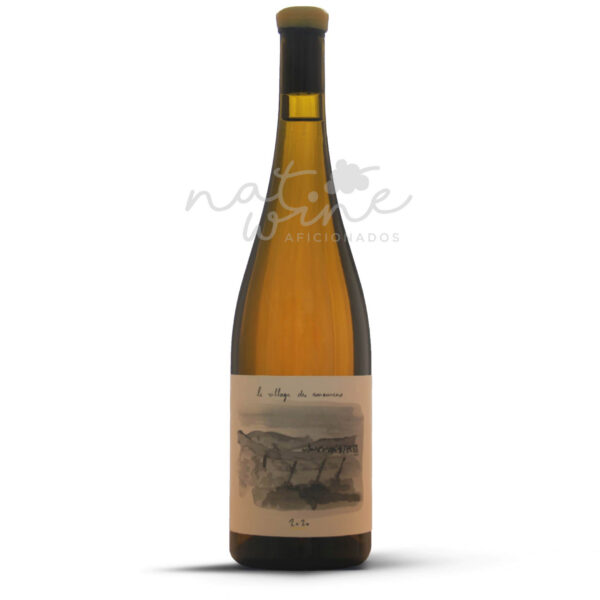
La grange de l'oncle Charles
Le Village des Amoureux 2020
WhitesAlsace
27,90 €
A chiseled and grainy white wine. It reveals an incredible palette of spices!
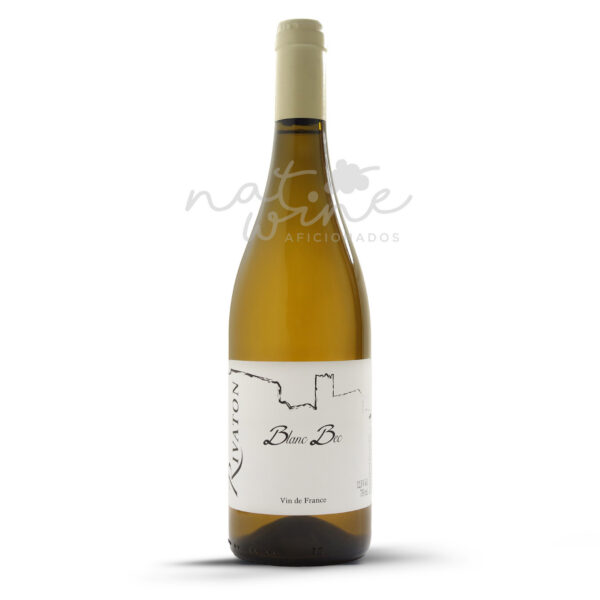
Domaine Rivaton
Blanc Bec 2019
WhitesRoussillon
16,80 €
A triumvirate of white grapes from the south of France farmed from 60 to 100-year-old vineyards. At this moment, it shows the balance, complexity, and nuances of wild fruit and wildflowers. It will certainly benefit from aging.
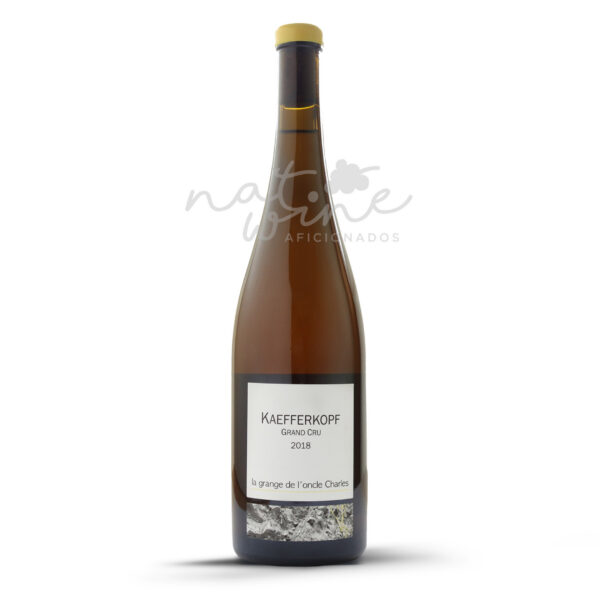
La grange de l'oncle Charles
Kaefferkopf Grand Cru 2018
WhitesAlsace
51,00 €
An old-school kind of wine. On the nose, it shows a complex fusion of tangerine peel, pear, and dried fruits. In the mouth, we feel the rustic, imposing energy, a mixture of power and vivacity. The finish is long and assertive. Ideal to pair with savory, elaborate dishes.
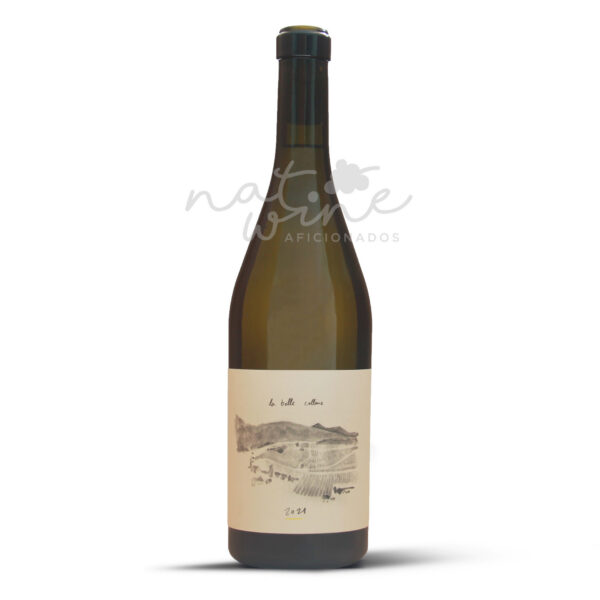
La grange de l'oncle Charles
La Belle Colline 2021
WhitesAlsace
49,90 €
An enduring, austere and mineral white wine. On the palate, the lively acidity and dried-fruit notes dance in a seductive way. Deep and complex.
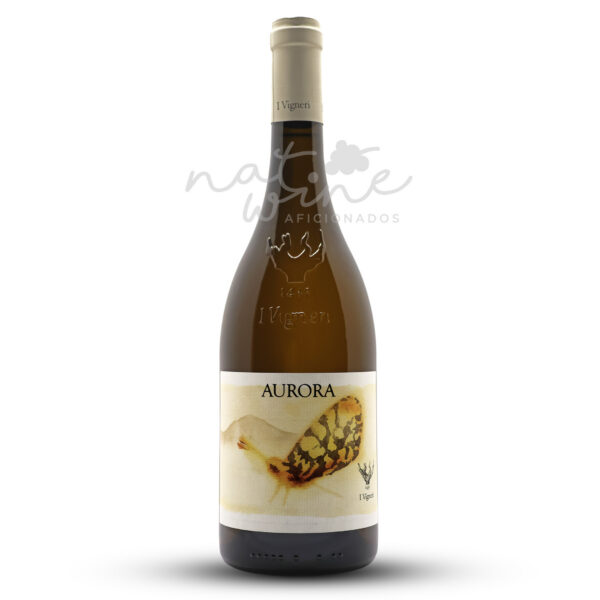
I Vigneri di Salvo Foti & Figli
Aurora 2025 – I Vigneri di Salvo Foti & Figli
WhitesSicily
28,10 €
Bright straw yellow colour with golden reflections. Aromas of pear, melon, lemon peel, lime blossom, cut grass and a touch of anise. On the palate it is elegant and fresh, with a saline finish reflecting the volcanic soil's influence, good acidity and a persistent finish.
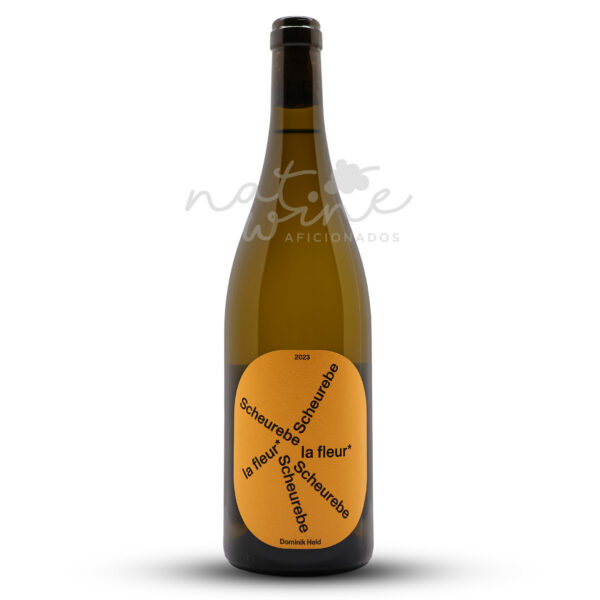
Dominik Held
Scheurebe La Fleur* 2023
WhitesRheinhessen
22,90 €
A dry wine, with an intensely pronounced aromatic profile, dramatically enhanced by botrytis. Imagine a turbocharged Scheurebe. Abundant fruit and aroma, a subtle sweetness from the botrytis (although containing only around 1.5 g of sugar per litre) and refreshing acidity. A perfect pairing for spicy, rich dishes.
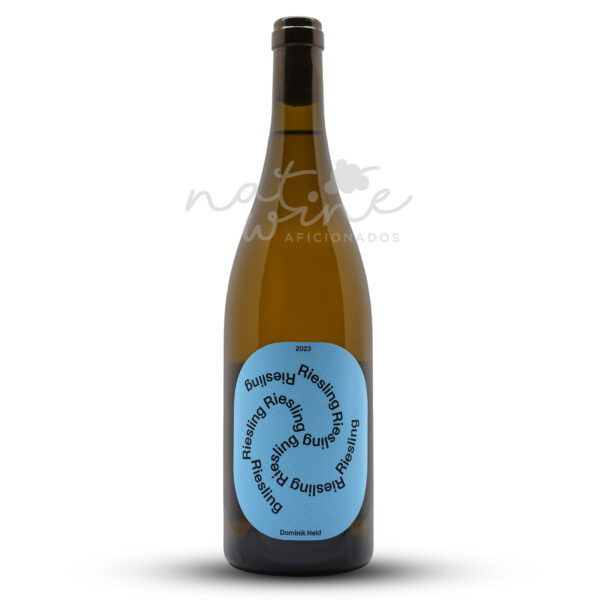
Dominik Held
Riesling 2023
WhitesRheinhessen
15,90 €
Fresh and precise, with a delicate astringency and beautiful, well-defined fruit notes typical of Riesling, with hints of lemon and apricot standing out.
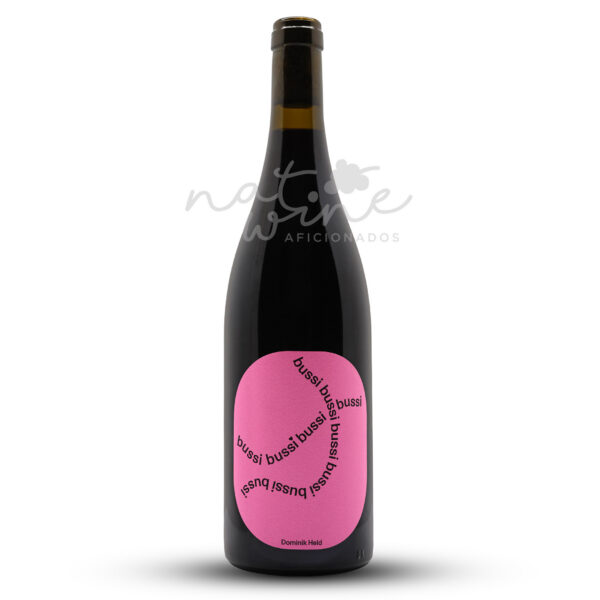
Dominik Held
Bussi Rot #1
RedsRheinhessen
13,90 €
With restrained alcohol content, it reveals a relaxed and very appealing profile. Lively acidity highlights the fruit, with fresh red berries standing out, supported by deeper notes of dark fruit. Balanced, fresh, crisp and well-textured, it is an extremely enjoyable wine to drink.
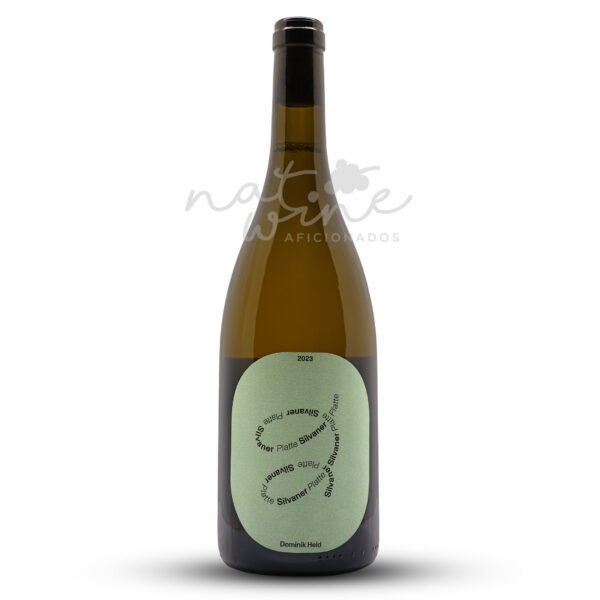
Dominik Held
Silvaner Platte 2023
WhitesRheinhessen
32,10 €
A deep, complex wine. Once opened, let it rest a while and, above all, let it breathe properly. Open the bottle a few hours beforehand or decant the wine. Only then, enjoy it to the fullest!
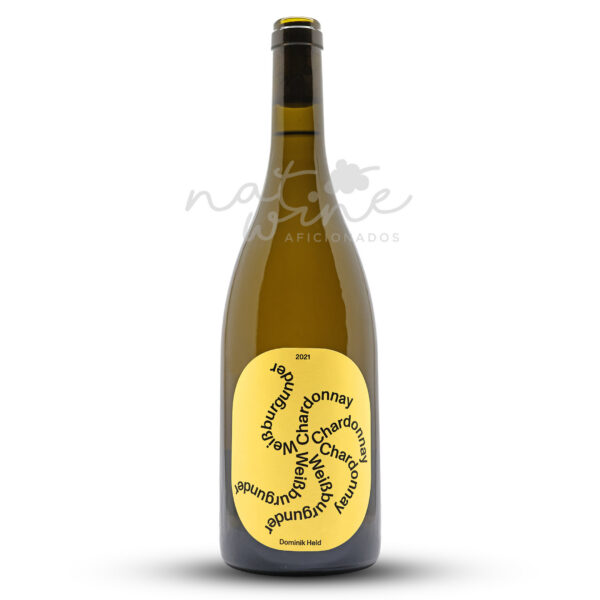
Domaine Rivaton
Blanc Bec 2019
WhitesRoussillon
16,80 €
A triumvirate of white grapes from the south of France farmed from 60 to 100-year-old vineyards. At this moment, it shows the balance, complexity, and nuances of wild fruit and wildflowers. It will certainly benefit from aging.
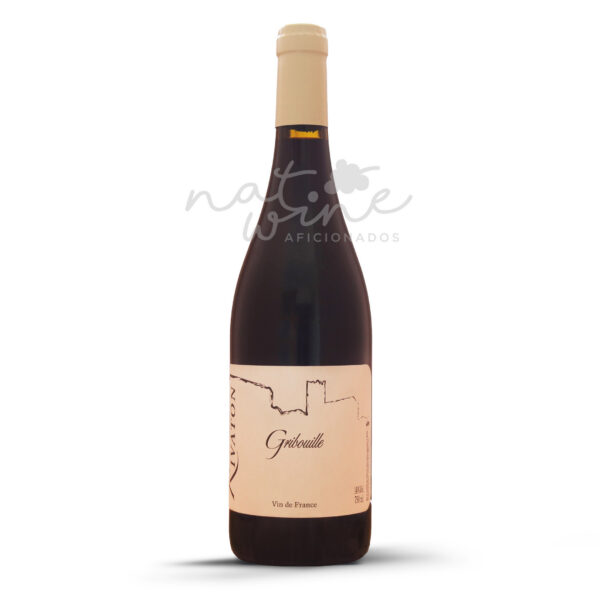
Domaine Rivaton
Gribouille 2015
RedsRoussillon
16,60 €
Exhibiting a well-structured freshness, combined with spicy tones. It’s deep and tasty in the mouth, and it will evolve in the bottle over time, in case one resists opening it right now. It is, indisputably, a highly gastronomic wine.
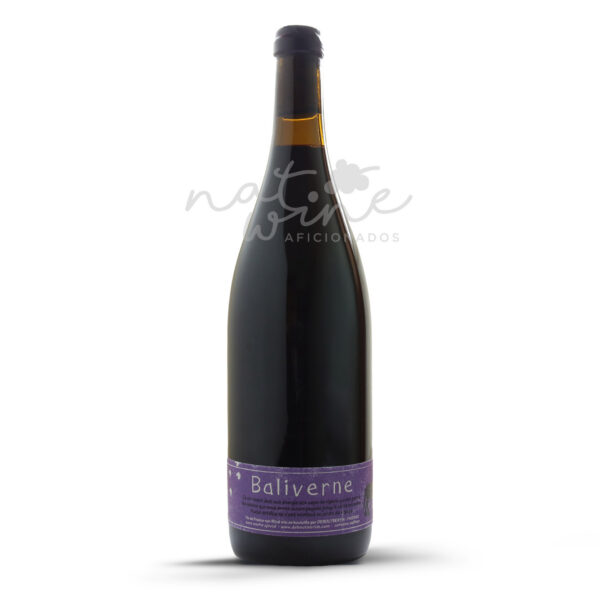
Deboutbertin
Baliverne 2019
RedsLoire
20,90 €
Dark-hued Grolleau, sourced from a small parcel of schist and quartz. Rebellious character, and rustic on the nose. In the mouth, it reveals nuances of dark fruit and a kind of acidity that confers the wine an irresistible balance. Gastronomic wine. Serve a bit chilled.
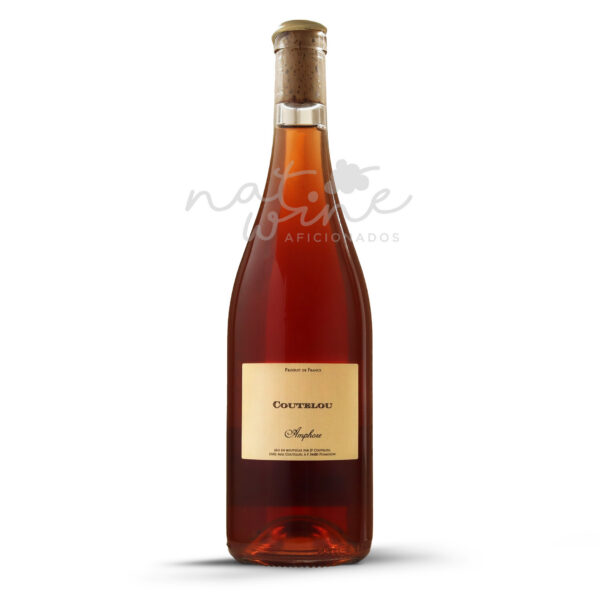
Mas Coutelou
Amphore Métissée 2019
WhitesLanguedoc
21,80 €
Red grapes are vinified as white wine. Aged in amphora, it will definitely last many years in the bottle. Decant it, if you can’t resist opening it now.
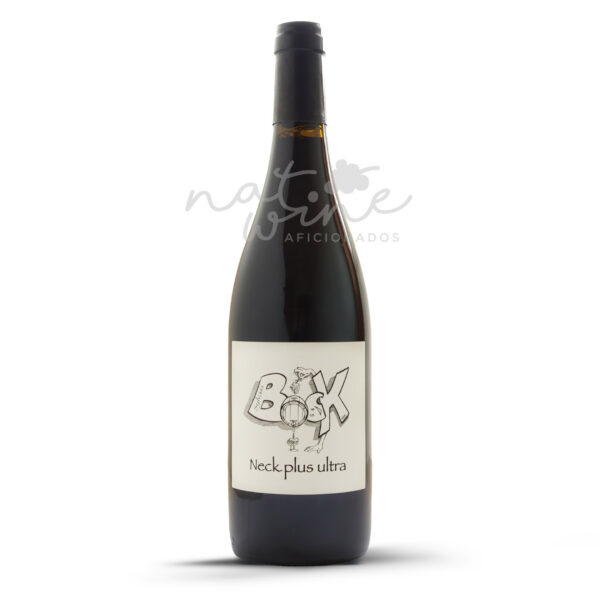
Sylvain Bock
Neck Plus Ultra 2019
RedsRhône
18,90 €
Full-bodied, deep, robust red, distinguished by spicy notes. To drink now, although it will reward those who are willing to keep it for a couple of years.
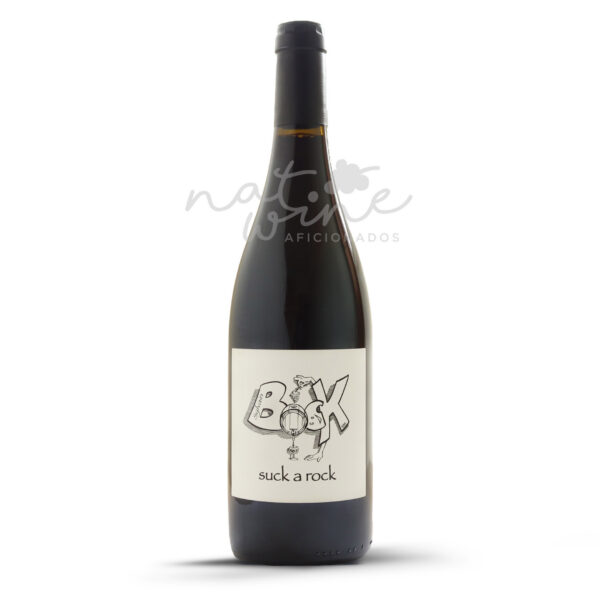
Sylvain Bock
Suck a Rock 2019
RedsRhône
18,60 €
Enjoyable and agreeable to drink. Notes of violet, nuanced by the freshness and balance, are the main components of the whole wine.
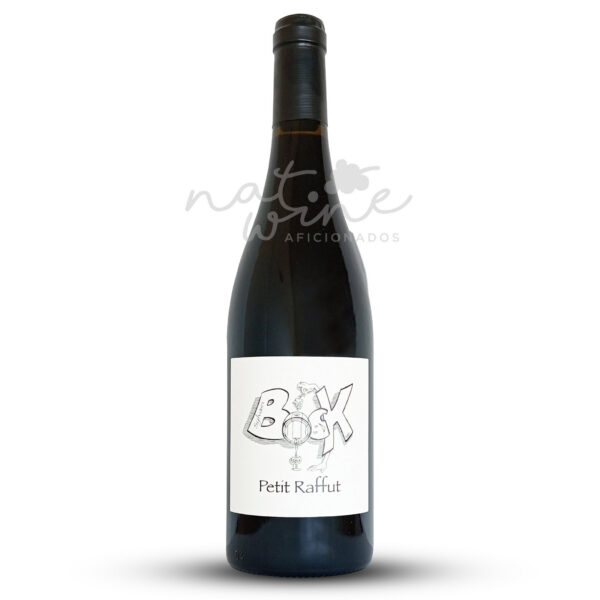
Sylvain Bock
Petit Raffut 2022
RedsRhône
14,60 €
This wine combines drive and delicacy. Full of energy, with elegant tannins and a captivating freshness.
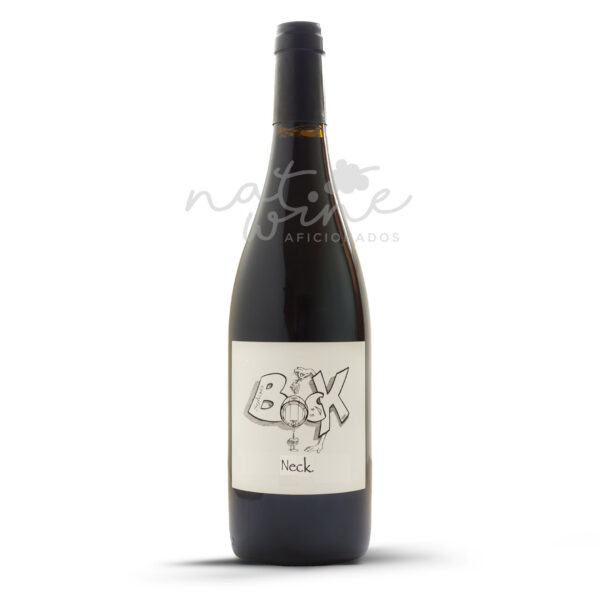
Sylvain Bock
Neck 2022
RedsRhône
13,90 €
Its excellent acidity paired with vibrant black fruit forms an elegant whole. It's a deep, dry wine. Decanting is recommended.