


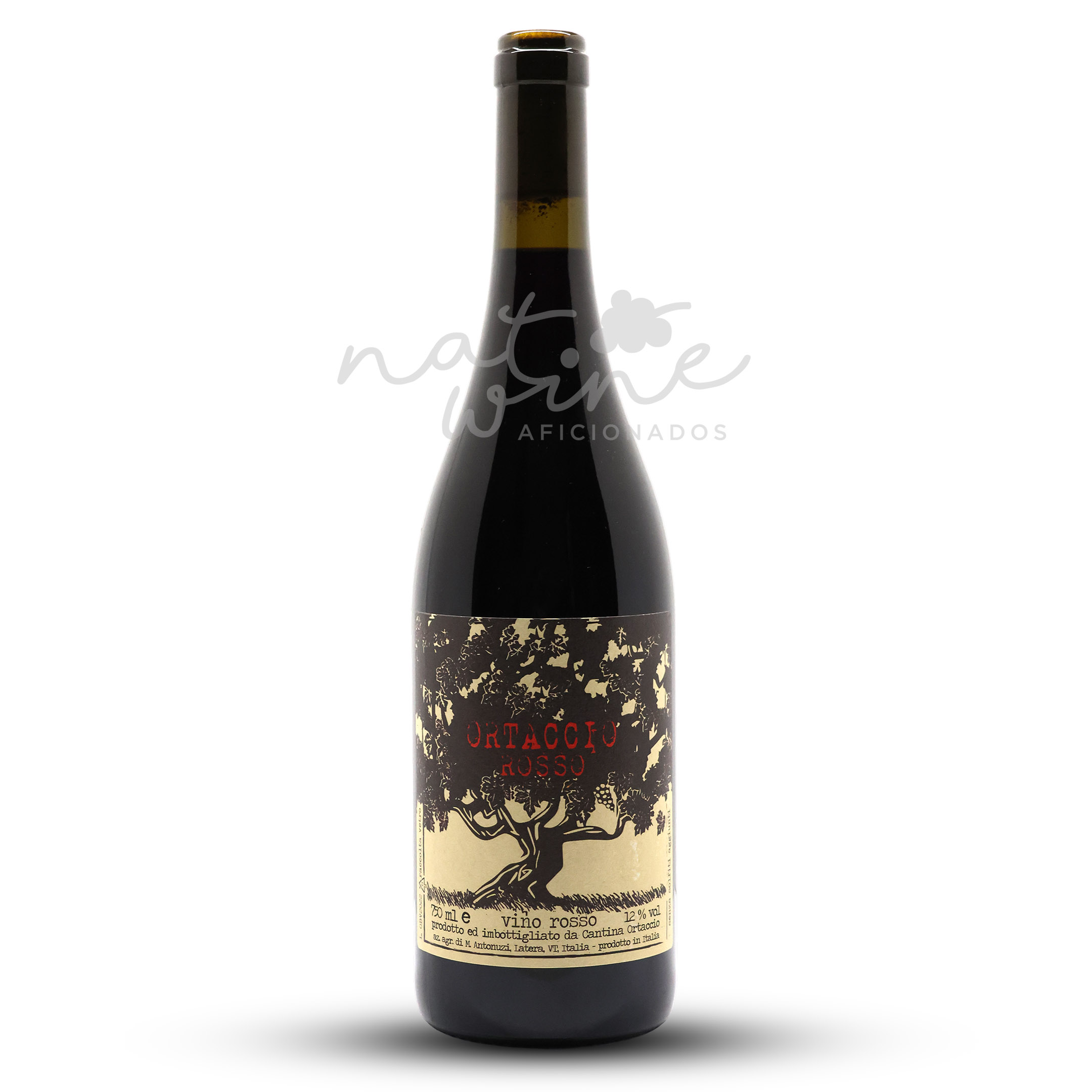
Cantina Ortaccio
Ortaccio Rosso 2022
16,80 €
+0.00 pts for the Aficionados Club
In stock
The first impression is an amalgam of spices and red berries. A gentle garnet colour, a light-bodied liquid, with a finish that reverberates flavours of chocolate and crushed cherry.
Technical Sheet
-
Region: Lazio
-
Grape Varieties: 90% Sangiovese, 10% Greghetto Rosso
-
Colour / Style: Red
-
Soil: Volcanic soil, between Gradoli and Latera, located between 400 and 550 metres above sea level.
-
Vineyard Area: 3.5 hectares
-
Vine Age: Between 5 and 76 years.
-
Harvest: Manual harvest.
-
Vinification: Vinification of both varieties together. The grapes are manually destemmed and foot-trodden in vats, with fermentation taking place in fibreglass vessels through the action of indigenous yeasts and without temperature control.
-
Ageing: 12 months in used oak barrels.
-
Fining / Filtration: No / No
-
Sulphite Addition: 0 mg/L
-
Alcohol: 12 %
-
Production: 3,000 bottles
-
Volume: 0.75 L
Producer
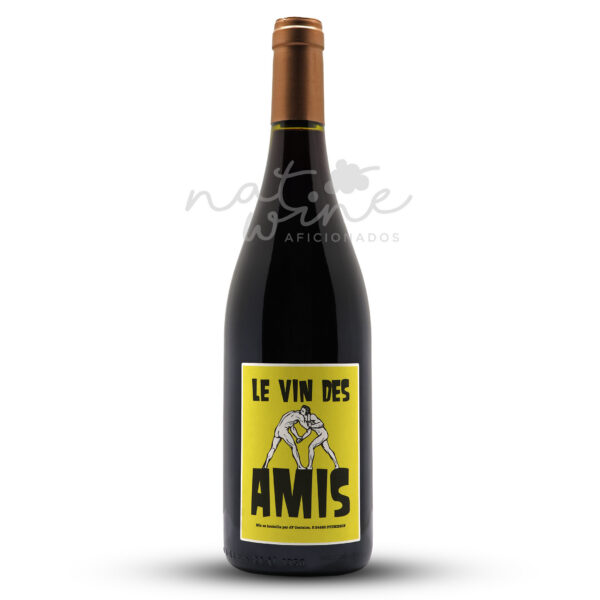
Mas Coutelou
Le Vin Des Amis 2023
RedsLanguedoc
13,10 €
The nose reveals aromas of black and red fruit, orange peel and subtle floral notes. On the palate the tannins and acidity are well present, revealing a clear gastronomic appeal. The finish is long, delicious and persistent. Should be drunk slightly cool.
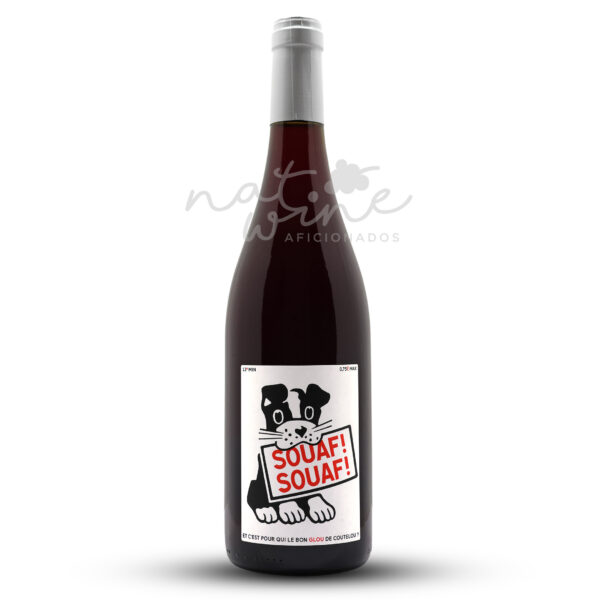
Mas Coutelou
Souaf! Souaf! 2024
RedsLanguedoc
12,30 €
Ruby colour. With delicate aromas of spice and red fruit. On the palate it reveals elegant tannins, balance and an absolutely captivating freshness. Should be drunk slightly cool.
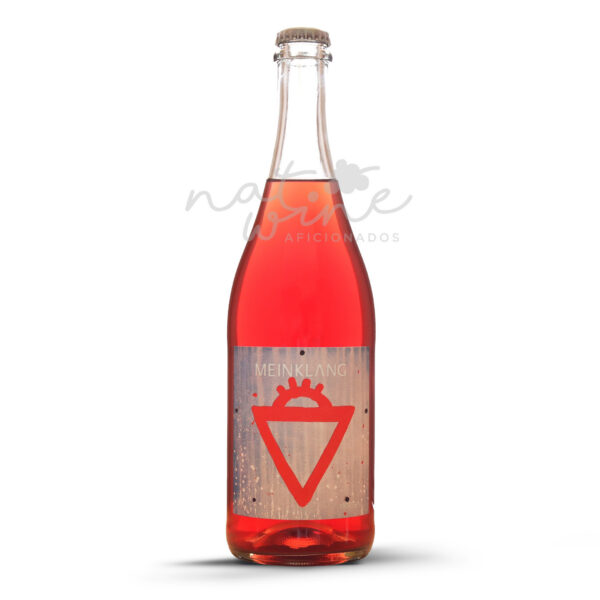
MeinKlang
Morgen Edition 2 N.V.
RosésBurgenland
25,00 €
With a light effervescence, this rosé reveals in the nose aromas of wild strawberry and current. Did you have a busy day? Open this wine in the evening, serve it at 10 - 12°C, and you’ll see how the active acidity of the grape Sankt Laurent will provide you with moments of good mood and liveliness.
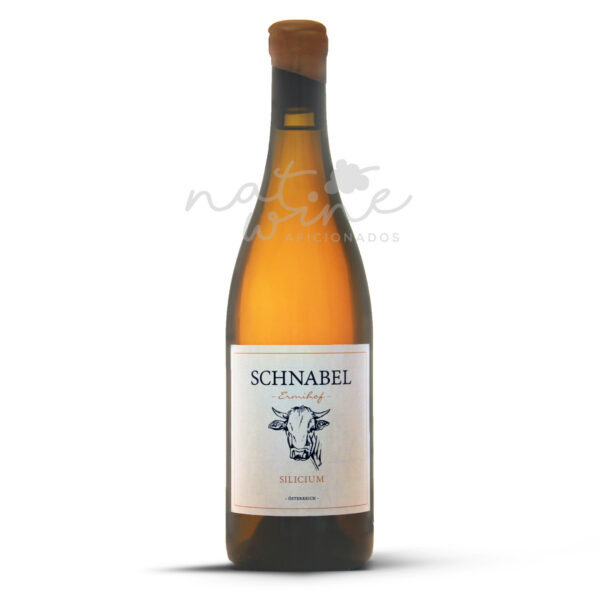
Weingut Karl Schnabel
Silicium 2020
OrangesStyria
34,90 €
This skin-contact-fermented white wine is made from the Chardonnay and Rheinriesling varieties. It impresses with its complexity, dense, deep aromas, elegant acidity and fine tannins.
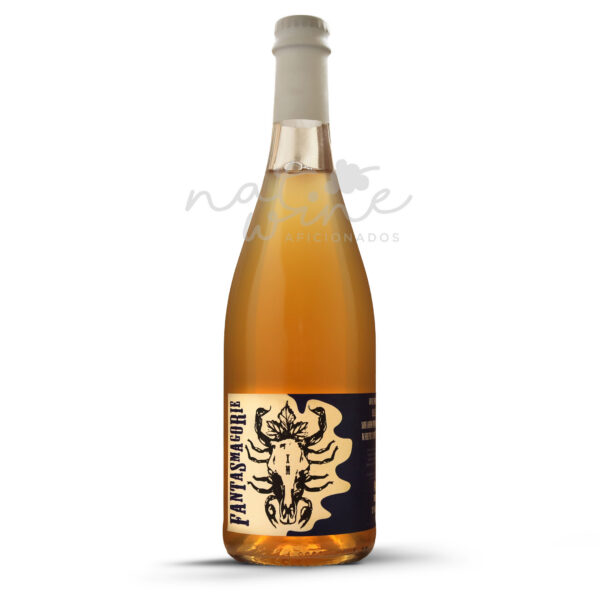
Xavier Marchais
Fantasmagorie 2019
OrangesLoire
19,60 €
An orange wine made of Chenin! The nose reveals hints of jam, mixed with Spring flowers. In the mouth stands out a balanced acidity. It was bottled with some of the lees to give it some unctuousness over time.
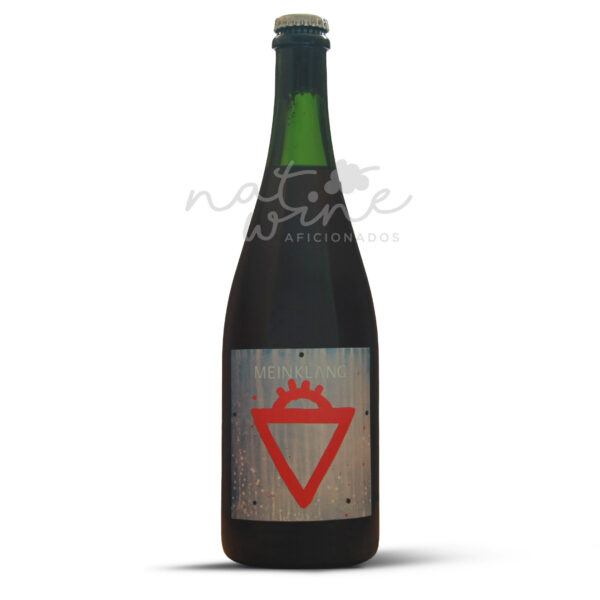
MeinKlang
Morgen Edition 3 N.V.
RosésBurgenland
25,00 €
A rosé with a very light effervescence. On the nose, aromas of wild strawberries and redcurrant. Had a tough day at work? Open it in the early evening, between 10–12°C, and see how the vibrant acidity of the Sankt Laurent grape brings a boost of mood and energy!
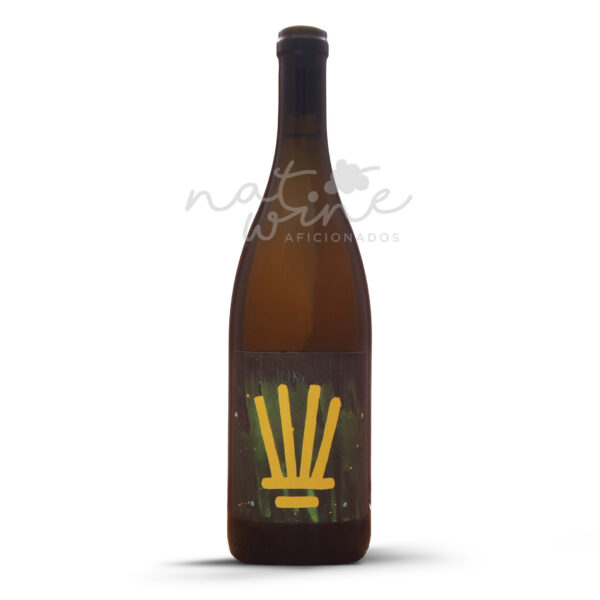
MeinKlang
Tag Edition 3 N.V.
OrangesBurgenland
25,00 €
The carbonic maceration of this macerated Grüner Veltliner reveals a funky, vibrant, electric side. Its elegance, minerality and low alcohol content (10.5%) make it a real challenge to stop drinking.
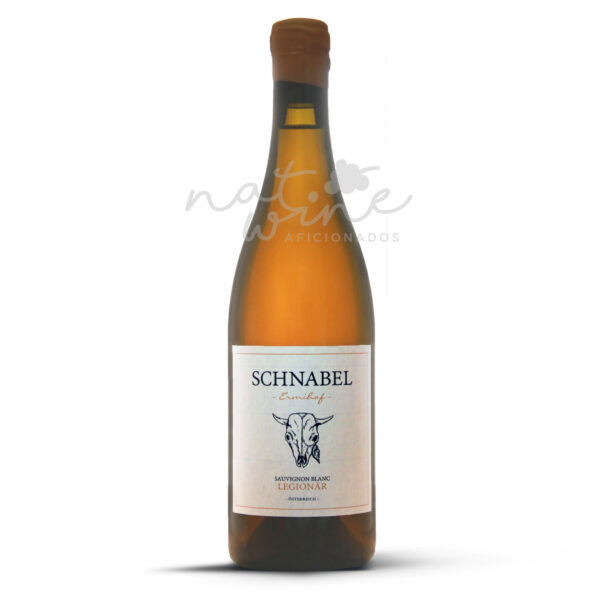
Weingut Karl Schnabel
Sauvignon Blanc Legionär 2020
OrangesStyria
33,90 €
This Sauvignon Blanc is fermented with skin contact. It is characterised by an interplay of fruity and herbaceous notes. Tannins envelop this highly complex orange wine, giving it a wonderful velvety touch.

Cantina Ortaccio
Vecchi Filari 2022
RedsLazio
20,60 €
To the nose, the smell of earth suddenly lashed by rain comes through right away. This is a wine that invites chewing, releasing fresh flavours of eucalyptus and red plums on the palate. Harmoniously rustic and captivating. A very long finish.
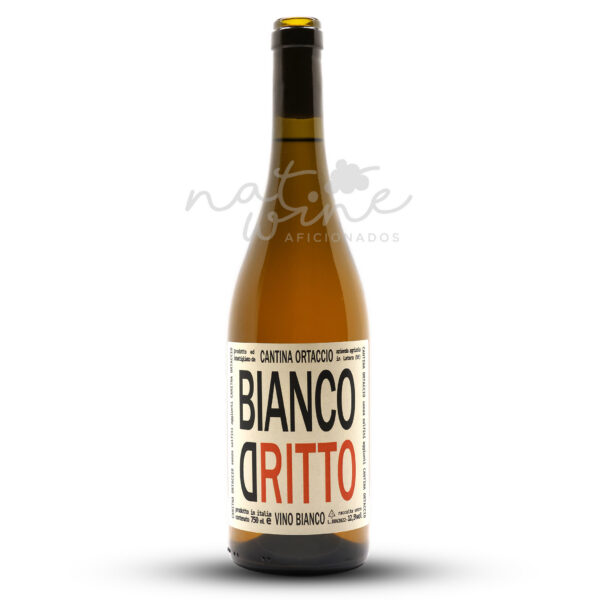
Cantina Ortaccio
Bianco Dritto 2022
OrangesLazio
18,90 €
The macerated fruit is immediately noticeable, and the soft tannins begin to circulate in the mouth. On the retronasal, however, a caramelized tone of herbs and dried fruits stands out.
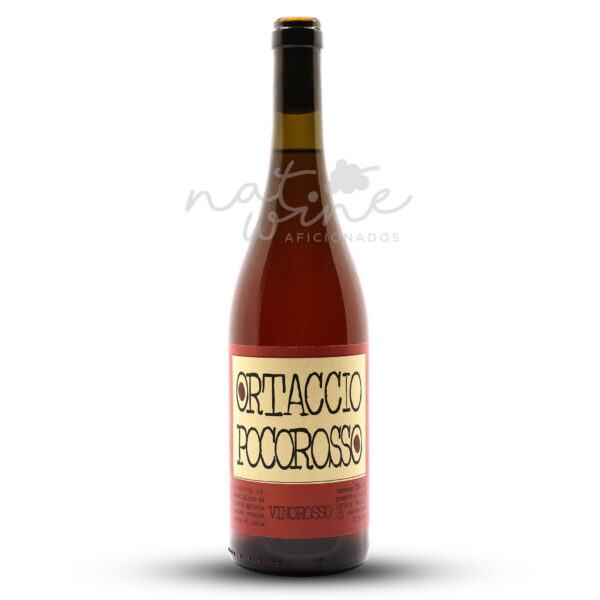
Cantina Ortaccio
Pocorosso 2022
RedsLazio
16,50 €
A red leaning towards white, that's how this wine's personality can be defined. Very well-drawn acidity. Floral, citrusy, but also hiding a wink towards bay leaf, tobacco and even leather.
MeinKlang
Morgen Edition 2 N.V.
RosésBurgenland
25,00 €
With a light effervescence, this rosé reveals in the nose aromas of wild strawberry and current. Did you have a busy day? Open this wine in the evening, serve it at 10 - 12°C, and you’ll see how the active acidity of the grape Sankt Laurent will provide you with moments of good mood and liveliness.
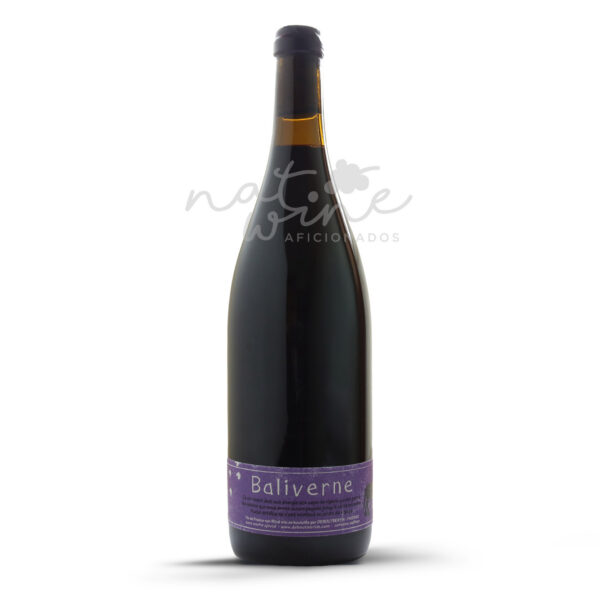
Deboutbertin
Baliverne 2019
RedsLoire
20,90 €
Dark-hued Grolleau, sourced from a small parcel of schist and quartz. Rebellious character, and rustic on the nose. In the mouth, it reveals nuances of dark fruit and a kind of acidity that confers the wine an irresistible balance. Gastronomic wine. Serve a bit chilled.
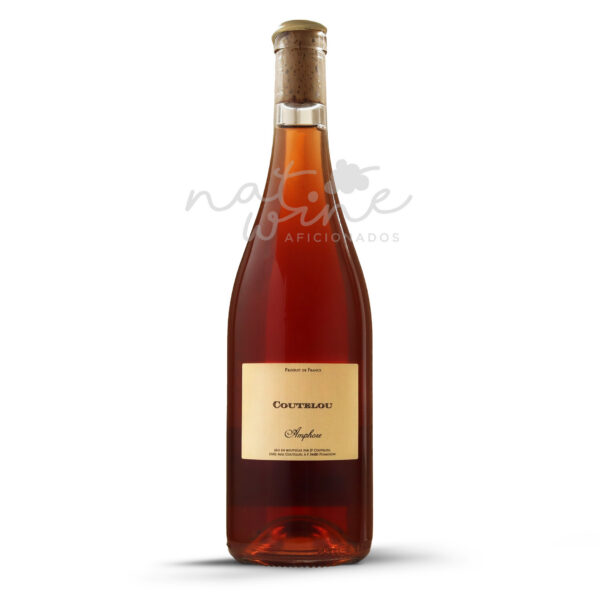
Mas Coutelou
Amphore Métissée 2019
WhitesLanguedoc
21,80 €
Red grapes are vinified as white wine. Aged in amphora, it will definitely last many years in the bottle. Decant it, if you can’t resist opening it now.
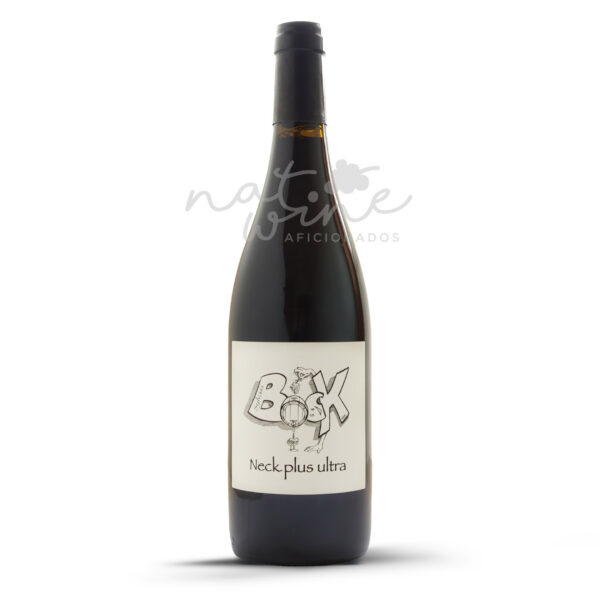
Sylvain Bock
Neck Plus Ultra 2019
RedsRhône
18,90 €
Full-bodied, deep, robust red, distinguished by spicy notes. To drink now, although it will reward those who are willing to keep it for a couple of years.
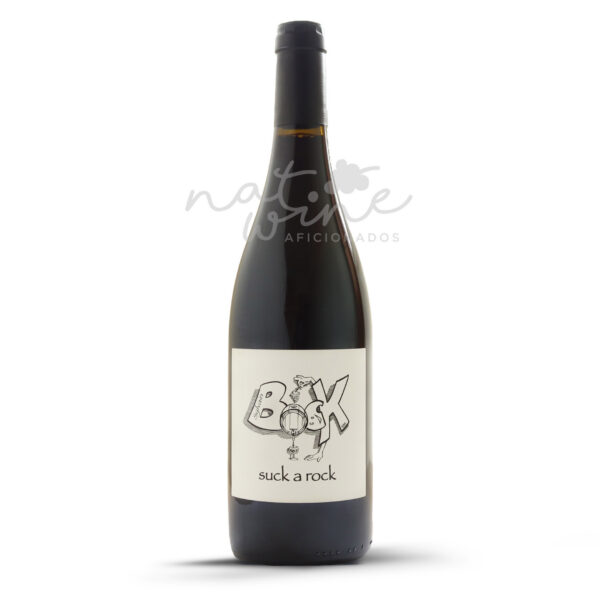
Sylvain Bock
Suck a Rock 2019
RedsRhône
18,60 €
Enjoyable and agreeable to drink. Notes of violet, nuanced by the freshness and balance, are the main components of the whole wine.
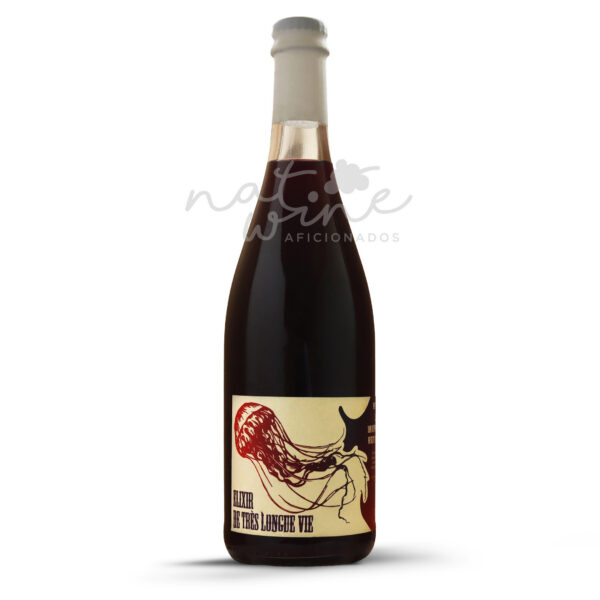
Xavier Marchais
L’ Elixir de Très Longue Vie 2019
RedsLoire
15,20 €
Showing polished tannins, it exposes the typicity of this grape when young, i.e., aromas of raw meat, thus conferring it an appealing rustic character. With a great deal of gastronomic appetence. It will be a good idea to serve it with.. strawberries, yes, exactly, strawberries.
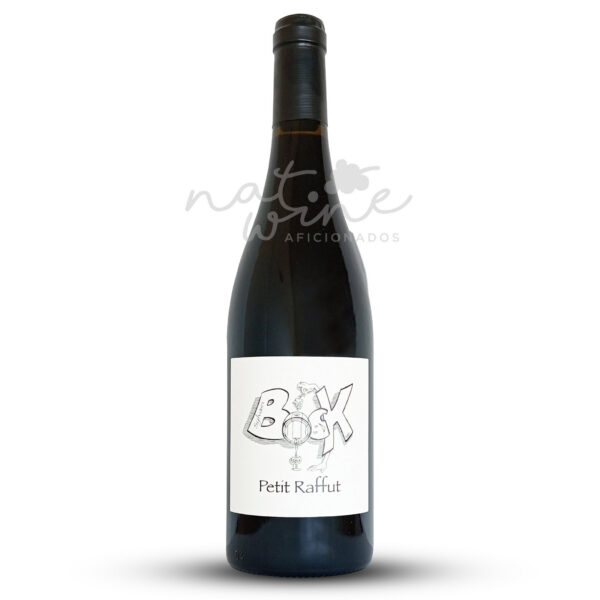
Sylvain Bock
Petit Raffut 2022
RedsRhône
14,60 €
This wine combines drive and delicacy. Full of energy, with elegant tannins and a captivating freshness.
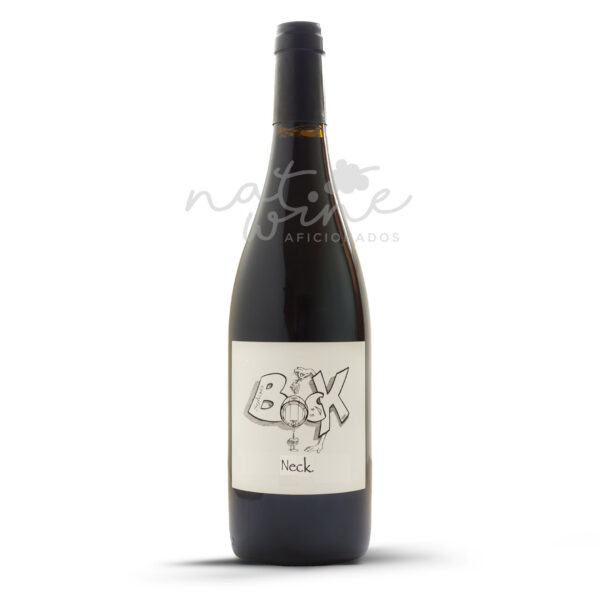
Sylvain Bock
Neck 2022
RedsRhône
13,90 €
Its excellent acidity paired with vibrant black fruit forms an elegant whole. It's a deep, dry wine. Decanting is recommended.