



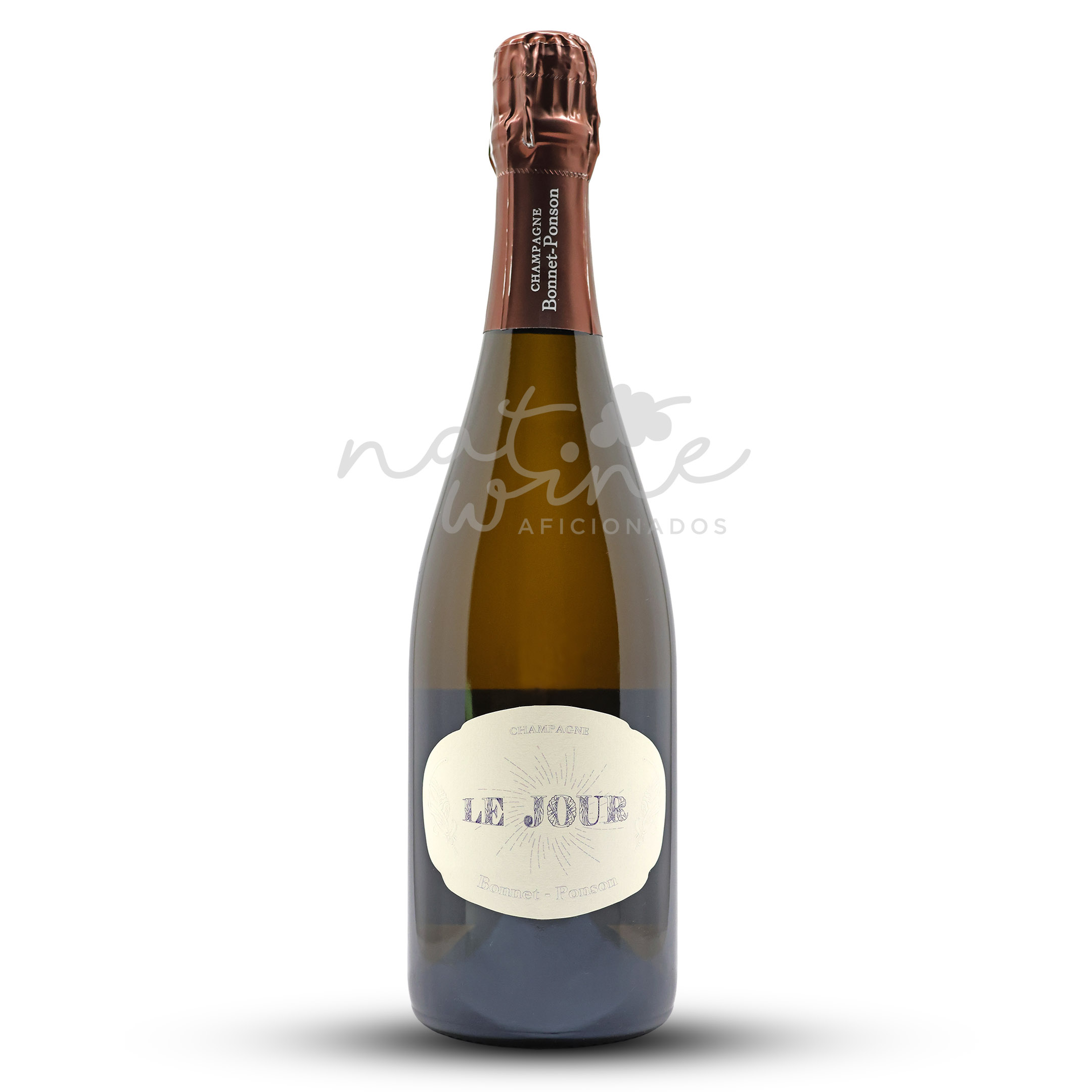
Champagne Bonnet – Ponson
Cuvée Nature – Le Jour 2020
66,90 €
+0.00 pts for the Aficionados Club
Only 1 left in stock
Coppery straw-yellow colour with a fine, gentle bead. Spicy fragrances, with aromas of tobacco, crushed stone, apple skin, grapefruit, lemon peel and herbs. A palate of enormous complexity: spicy, dry, with a touch of sweetness, a hint of pastry, and always juicy, fresh, crisp and saline, with added notes of tobacco and wet stone. An extremely seductive and appealing whole, delicate and elegant.
Technical Sheet
-
Região: Champagne, Montagne de Reims sub-region
-
Castas: Pinot Meunier
-
Cor / Estilo: White / Champagne
-
Solo: Shallow clay soil over a limestone subsoil.
-
Área das Vinhas: The “le jour” plot in the village of Vrigny, classified as Premier Cru of the Montagne de Reims (petite montagne).
-
Idade das Vinhas: 52 years
-
Colheita: Hand-harvested grapes.
-
Vinificação: 0 g/L
-
Envelhecimento: October 2023.
-
Colagem / Filtração: No / No
-
Adição de Sulfuroso: 0 mg/L
-
Alcohol: 12 %
-
Volume: 0.75 L
Producer
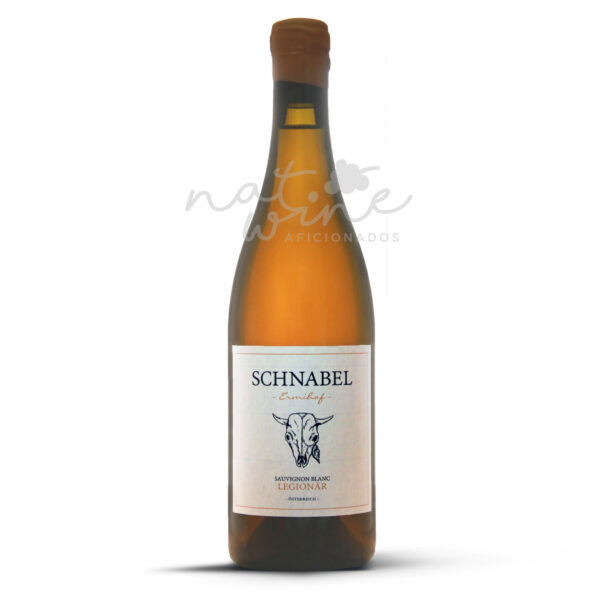
Weingut Karl Schnabel
Sauvignon Blanc Legionär 2020
33,90 €
This Sauvignon Blanc is fermented with skin contact. It is characterised by an interplay of fruity and herbaceous notes. Tannins envelop this highly complex orange wine, giving it a wonderful velvety touch.
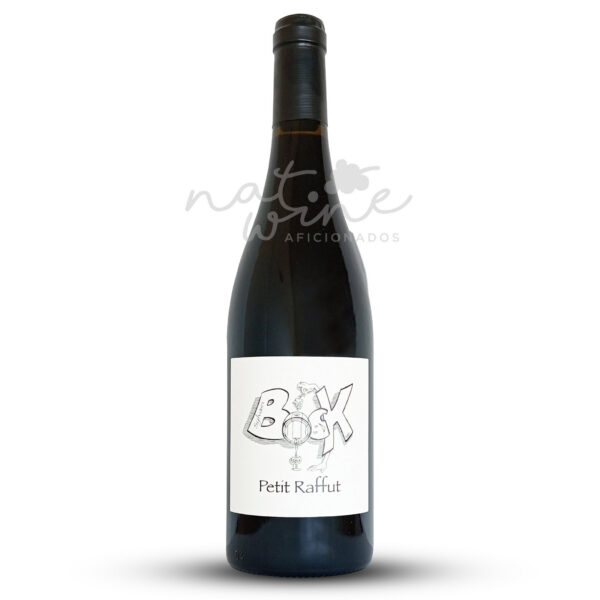
Sylvain Bock
Petit Raffut 2022
14,60 €
This wine combines drive and delicacy. Full of energy, with elegant tannins and a captivating freshness.
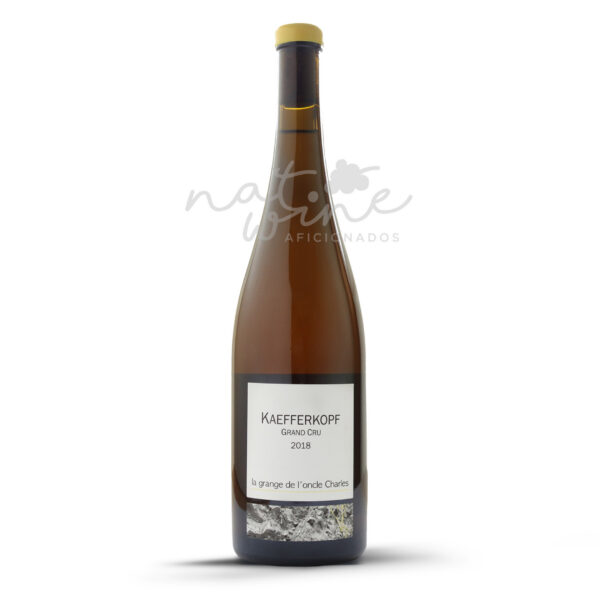
La grange de l'oncle Charles
Kaefferkopf Grand Cru 2018
51,00 €
An old-school kind of wine. On the nose, it shows a complex fusion of tangerine peel, pear, and dried fruits. In the mouth, we feel the rustic, imposing energy, a mixture of power and vivacity. The finish is long and assertive. Ideal to pair with savory, elaborate dishes.
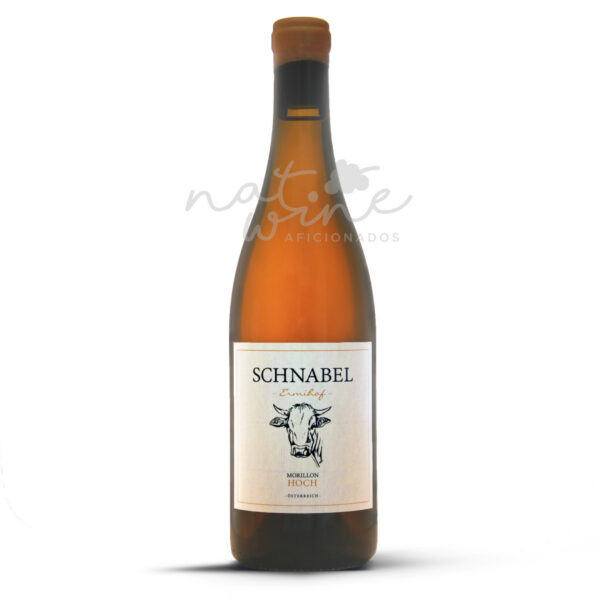
Weingut Karl Schnabel
Morillon Hochegg 2020
34,90 €
Chardonnay, also called Morillon in Styria, is fermented with skin contact. This wine reveals the exciting sides of this immensely complex grape variety. It shines like a basket of exotic fruit and has a fine, creamy, elegant structure, underscored by the stony, saline notes of the Hochegg vineyard.
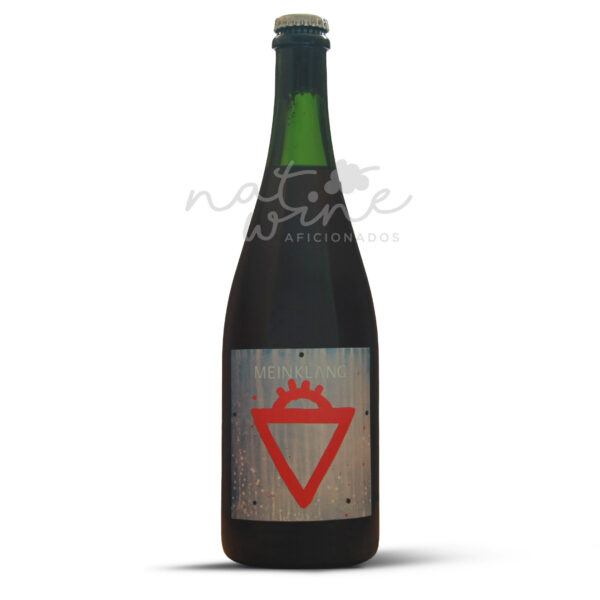
MeinKlang
Morgen Edition 3 N.V.
25,00 €
A rosé with a very light effervescence. On the nose, aromas of wild strawberries and redcurrant. Had a tough day at work? Open it in the early evening, between 10–12°C, and see how the vibrant acidity of the Sankt Laurent grape brings a boost of mood and energy!
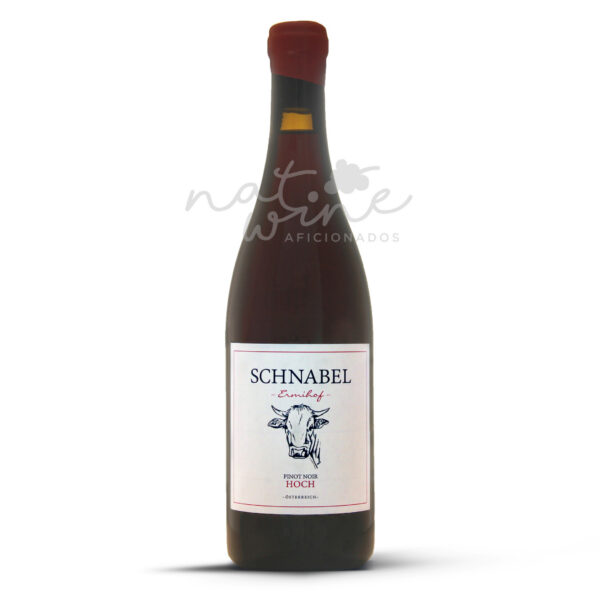
Weingut Karl Schnabel
Pinot Noir Hochegg 2021
37,90 €
This magical Pinot Noir from the Hochegg vineyard captivates with its elegance, depth and liveliness, which, combined with the stony, spicy minerality of the Sausal soil, fascinate whoever tastes it.
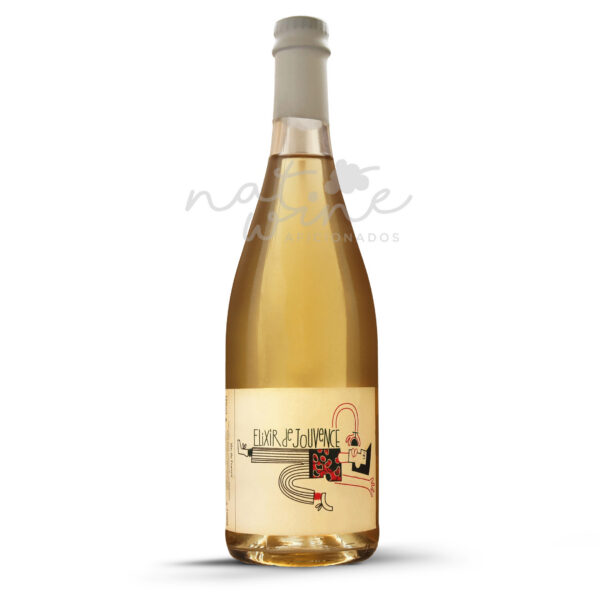
Xavier Marchais
L’ Elixir de Jouvence 2019
17,90 €
Hectic and mineral, showing on the nose aromas of lemon, quince, Spring flowers, all with an oxidative touch. In the mouth, it is alluring and all-embracing. Great aging potential.
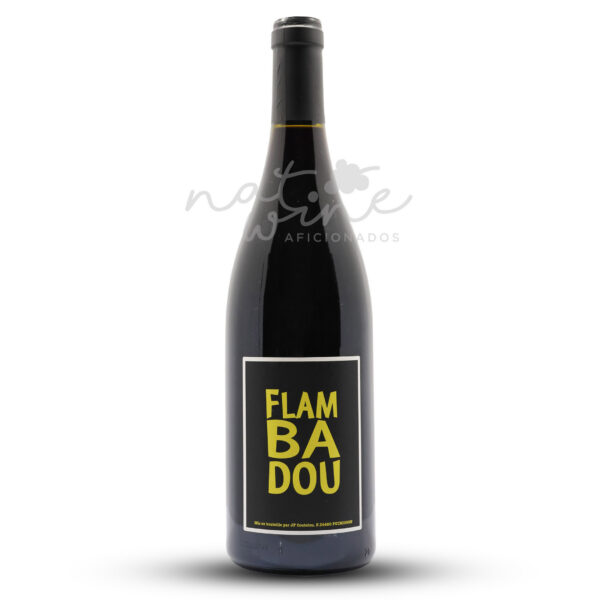
Mas Coutelou
Flambadou 2022
18,50 €
An elegant red wine, with notes of black fruit, floral aromas and subtle touches of spice. On the palate it is juicy and fresh. The tannins are precise and it reveals a vibrant acidity. The finish is deliciously spicy.
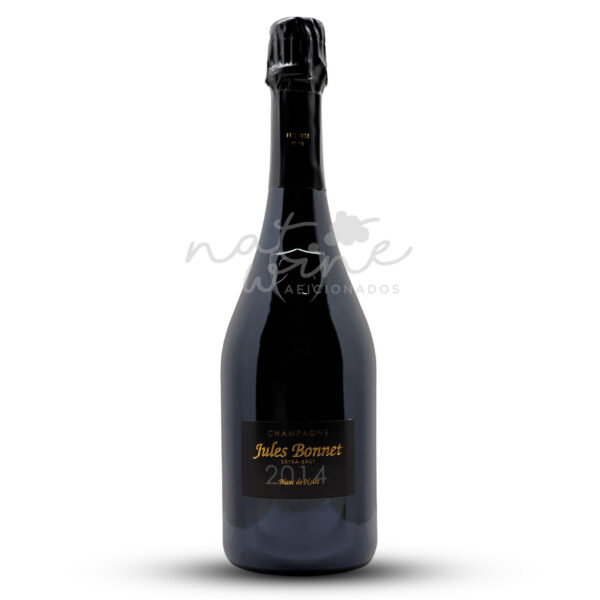
Champagne Bonnet – Ponson
Jules Bonnet Blanc de Noirs Premier Cru 2014
52,80 €
Overall, the ideas of voluptuousness and circularity stand out. Flavours of small wild berries, apple tart, plum and dried fruit merge, forming a complex and enveloping olfactory impression. Direct, without being too pronounced, it gives a medium, rich and wine-driven palate. Its freshness and vinosity balance harmoniously with the creaminess of the bubbles. The finish lingers with a delicate mineral sensation, the signature of the chalky terroir.
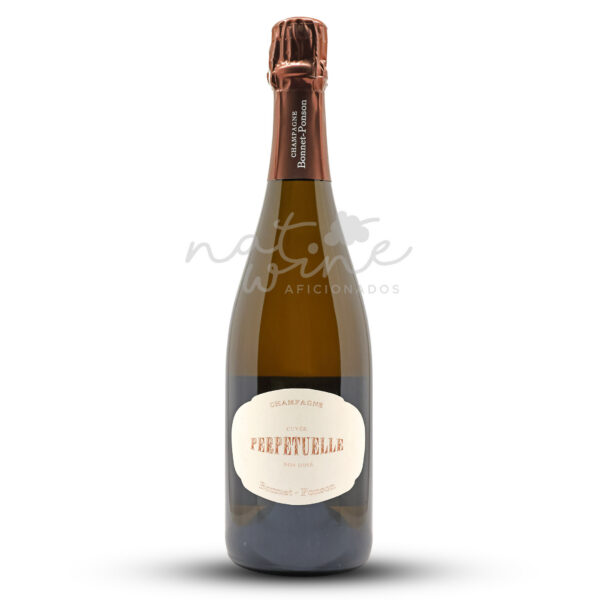
Champagne Bonnet – Ponson
Non Dosé Cuvée Perpétuelle N.V.
44,70 €
A full-bodied, aromatically intense wine whose identity stems from the clay-limestone soil and the sandy terroirs of the "petite montagne". It shows aromas of white and citrus fruit, merging with crystallised nuances of ripe "Mirabelle" plum and walnuts. Freshness on the attack, vinosity and structure in the mid-palate, with a delicate finish.
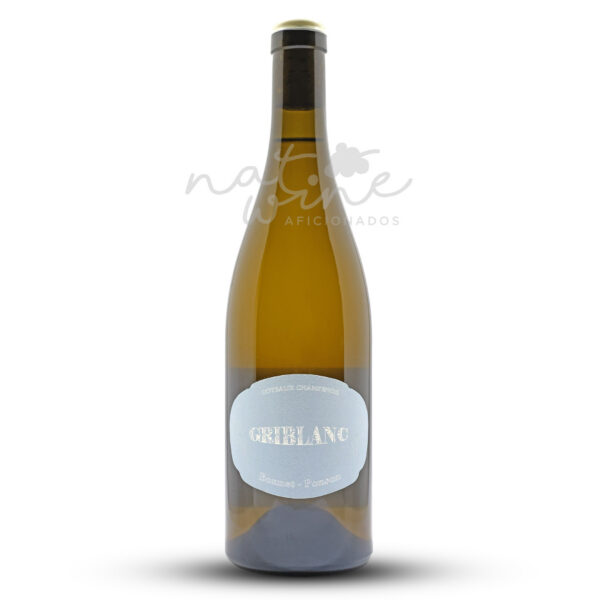
Champagne Bonnet – Ponson
Coteaux Champenois “Griblanc” 7 Cépages 2022
39,90 €
Coteaux Champenois, meaning a still white wine from the Champagne region, made from the seven official Champagne grape varieties (Pinot Noir, Pinot Meunier, Chardonnay, Pinot Gris, Pinot Blanc, Petit Meslier and Arbane), which makes this wine a true rarity.
Aromas of stone fruit, white flowers, curry leaf, dried herbs, marzipan and chamomile. On the palate, the wine is initially restrained, but gradually reveals citrus flavours, such as peach, as well as dried fruit and Chinese herbs. A taut wine with a delicious, lingering acidity. Will benefit from decanting.
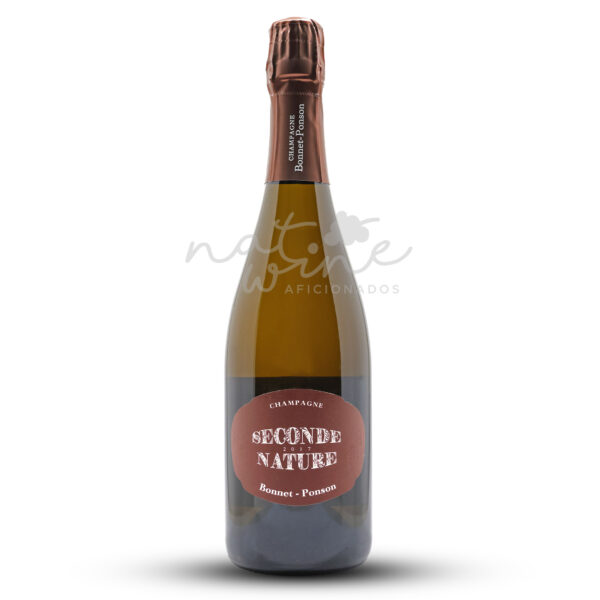
Champagne Bonnet – Ponson
Cuvée Nature – Seconde Nature – Millésime 2017
89,50 €
Straw-yellow colour with golden reflections, ripe and deep flavour with hints of ripe fruit, dried fruit and sweetness. Luxurious aroma with nuances of brioche, green apple and minerals. Long, lasting finish.

Champagne Bonnet – Ponson
Cuvée Nature- Seconde Nature Premier Cru 2020
64,50 €
Light golden-yellow colour, with fine and persistent bubbles, this is a complex wine releasing notes of citrus fruit, green apple and even a touch of brioche. Refreshing and with balanced acidity, over time it takes on flavours of yellow fruit and lemon tart. Elegant and balanced, with a persistent finish.

Champagne Bonnet – Ponson
Jules Bonnet Blanc de Noirs Premier Cru 2013
52,80 €
Overall, the ideas of voluptuousness and circularity stand out. Flavours of small wild berries, apple tart, plum and dried fruit merge, forming a complex and enveloping olfactory impression. Direct, without being too pronounced, it gives a medium, rich and wine-driven palate. Its freshness and vinosity balance harmoniously with the creaminess of the bubbles. The finish lingers with a delicate mineral sensation, the signature of the chalky terroir.
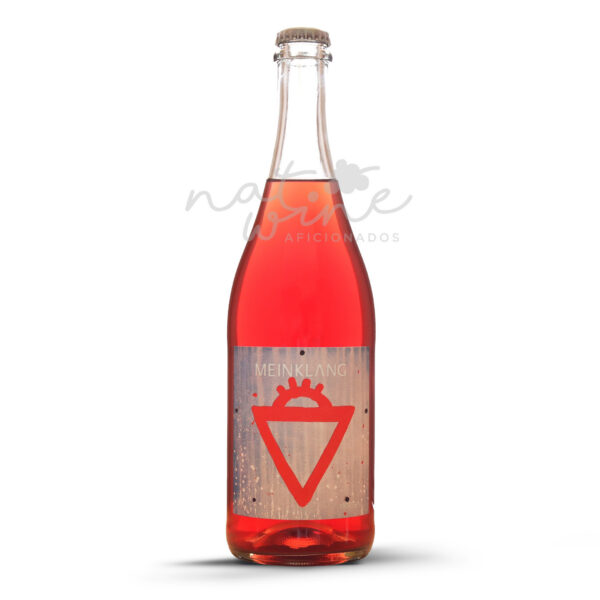
MeinKlang
Morgen Edition 2 N.V.
25,00 €
With a light effervescence, this rosé reveals in the nose aromas of wild strawberry and current. Did you have a busy day? Open this wine in the evening, serve it at 10 - 12°C, and you’ll see how the active acidity of the grape Sankt Laurent will provide you with moments of good mood and liveliness.
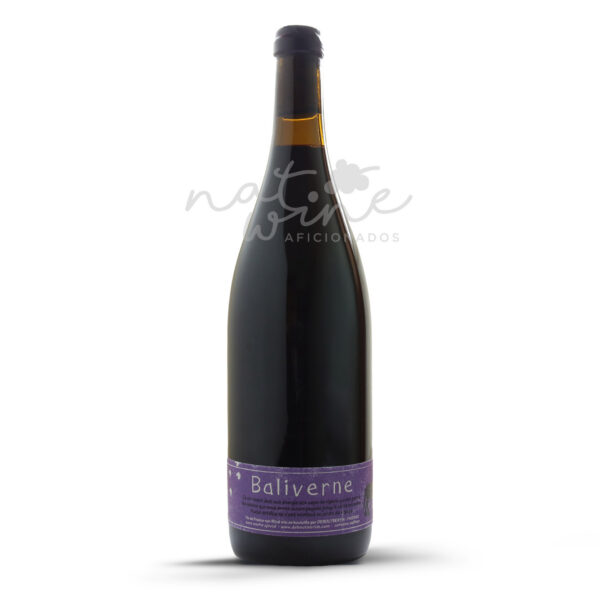
Deboutbertin
Baliverne 2019
20,90 €
Dark-hued Grolleau, sourced from a small parcel of schist and quartz. Rebellious character, and rustic on the nose. In the mouth, it reveals nuances of dark fruit and a kind of acidity that confers the wine an irresistible balance. Gastronomic wine. Serve a bit chilled.
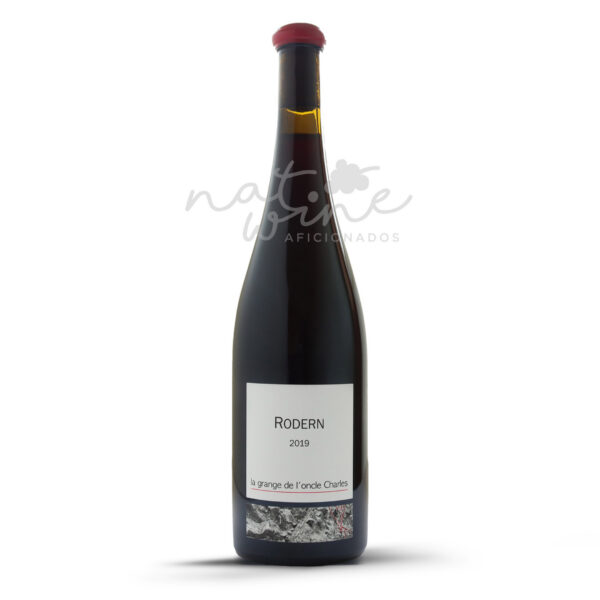
La grange de l'oncle Charles
Rodern 2019
32,00 €
Very aromatic on the nose, showing wild fruits and dried flowers. Dense and spicy in the mouth, with very delicate tannins. Conveying a lot of personality. It is advisable to decant.
La grange de l'oncle Charles
Kaefferkopf Grand Cru 2018
51,00 €
An old-school kind of wine. On the nose, it shows a complex fusion of tangerine peel, pear, and dried fruits. In the mouth, we feel the rustic, imposing energy, a mixture of power and vivacity. The finish is long and assertive. Ideal to pair with savory, elaborate dishes.
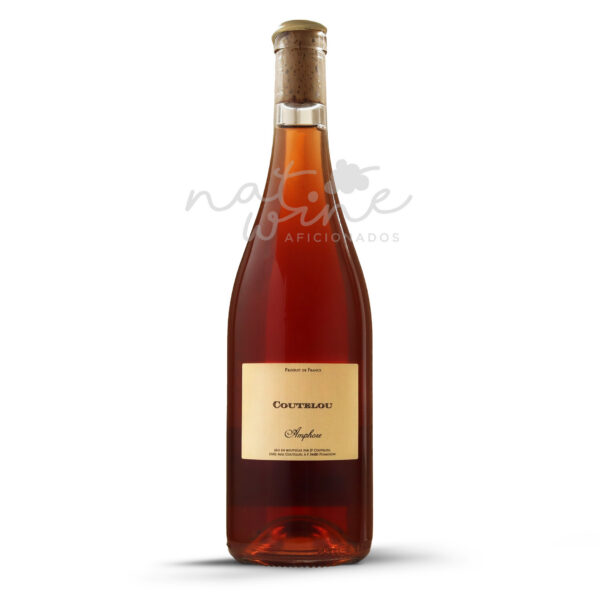
Mas Coutelou
Amphore Métissée 2019
21,80 €
Red grapes are vinified as white wine. Aged in amphora, it will definitely last many years in the bottle. Decant it, if you can’t resist opening it now.
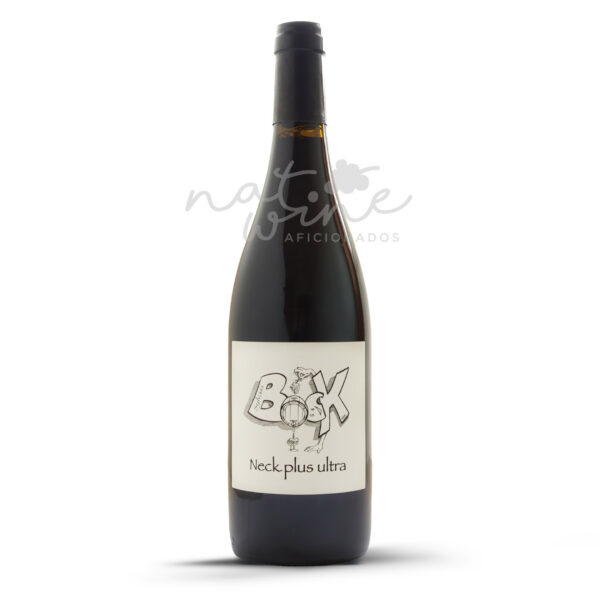
Sylvain Bock
Neck Plus Ultra 2019
18,90 €
Full-bodied, deep, robust red, distinguished by spicy notes. To drink now, although it will reward those who are willing to keep it for a couple of years.
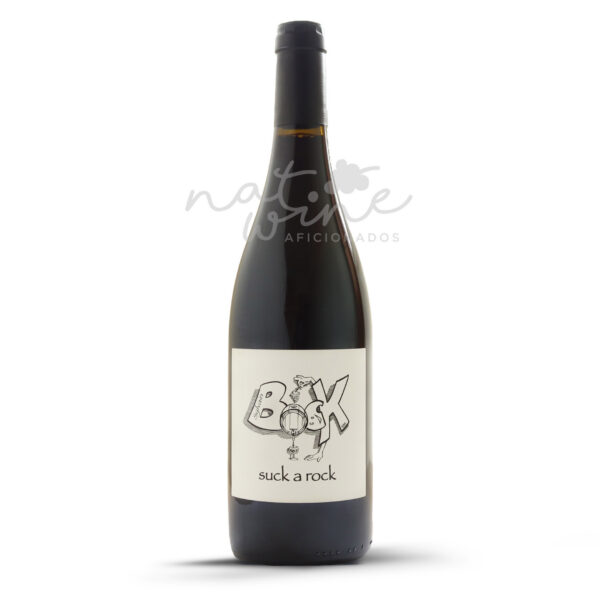
Sylvain Bock
Suck a Rock 2019
18,60 €
Enjoyable and agreeable to drink. Notes of violet, nuanced by the freshness and balance, are the main components of the whole wine.
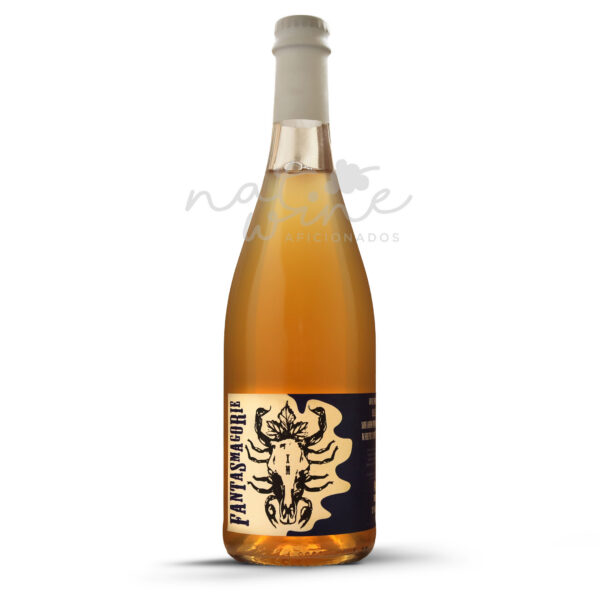
Xavier Marchais
Fantasmagorie 2019
19,60 €
An orange wine made of Chenin! The nose reveals hints of jam, mixed with Spring flowers. In the mouth stands out a balanced acidity. It was bottled with some of the lees to give it some unctuousness over time.