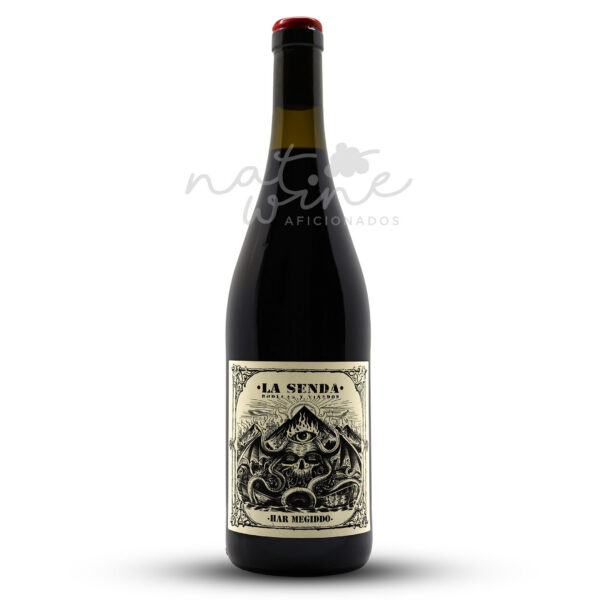
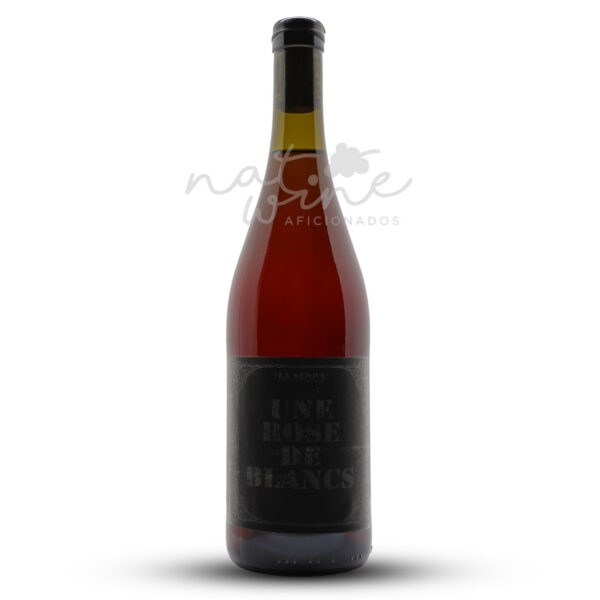
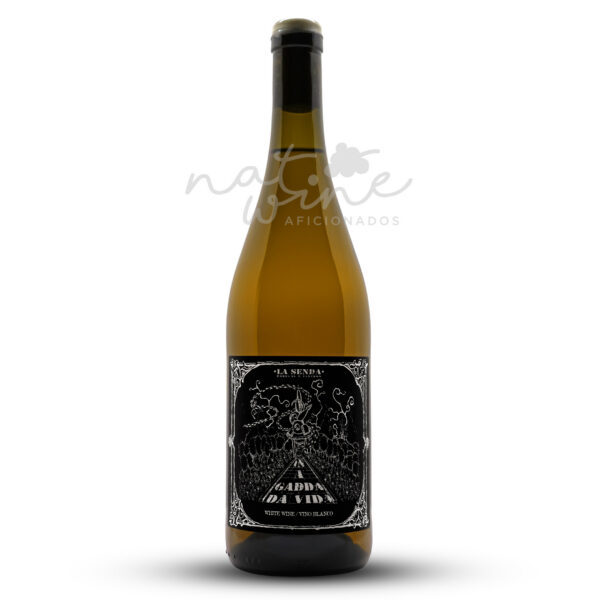
Located in the northwest of the Castilla y León region, surrounded by the mountains of Asturias and Galicia, the administrative district of El Bierzo has been a mining region for over 2,000 years. Mining has always been the main economic activity in this district, from the gold mining carried out by the Romans to coal mining in the 20th century. The Romans, however, in addition to the mining industry, also introduced wine culture to the area. Another decisive factor in the development of wine culture is that this region lies along the route of French pilgrims who, for centuries, have been traveling the paths to Santiago de Compostela, which explains the presence in this region of French grape varieties such as Trousseau.
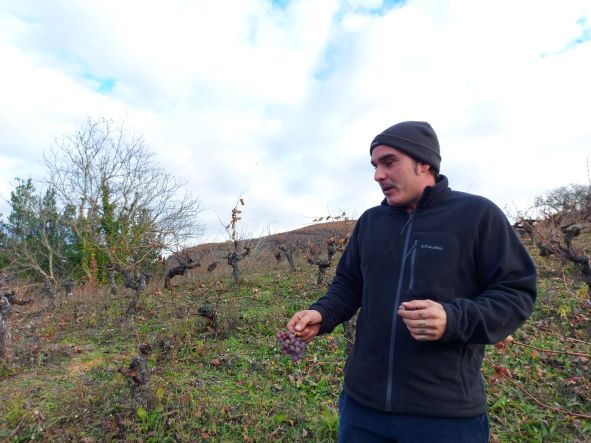
It was in this mining region that Diego Losada was born in 1984, though by then the region was already experiencing a severe economic downturn due to the complete shutdown of the coal industry. Undecided about what to study, the young Losada chose to major in Chemistry, but he did not complete his degree because he ended up accepting a job at a local winery that would change the course of his life. And it was then that his knowledge of Chemistry proved essential to his philosophy of wine.
“What is the point of adding, for example, industrial yeasts to the grapes, if nature itself already endows each grape with indigenous yeasts?” It was this and other similar questions that led Diego to realize that the mechanisms of natural Chemistry that mother nature has always established did not need to be replaced by man-made techniques. In other words, science gave him the ability to understand that a non-interventionist approach to winemaking was not only possible but also entirely logical.
Today, Diego produces wine from 15 different plots, covering a total area of 5 hectares, with vines ranging in age from 60 to over 100 years old that have never been treated with any type of chemical products. All work in the vineyard is carried out solely by him and one employee (for bottling and labeling, he relies on the help of his wife, Letizia.
Talking with Diego, it becomes clear that the biggest challenge he faces is not understanding the geological composition of the soils or the behavior of the grape varieties. In fact, his greatest challenge is climate change, since the region’s climate has shifted dramatically, making what was certain and predictable just a few years ago now uncertain and unpredictable. Understanding how grape varieties react to these changes in temperature and humidity has been his biggest struggle.
At his small winery, located in the city of Ponferrada, Diego chooses, just as he does in the vineyards, not to interfere with natural chemical processes. He uses concrete, used oak and chestnut barrels, and large oak casks. What he doesn’t like to use is stainless steel, because he considers it a non-porous material that doesn’t allow the wine to “breathe.” Chemical additives, such as sulfur dioxide, are not used in his wines. The equipment he uses is as rudimentary as possible. As he puts it in a spontaneous and good-humored way: “Temperature control during fermentation? I don’t have any cooling equipment. If I need to cool down the cellar, all I have to do is open the door and let the wind blowing down from the mountains come in!”