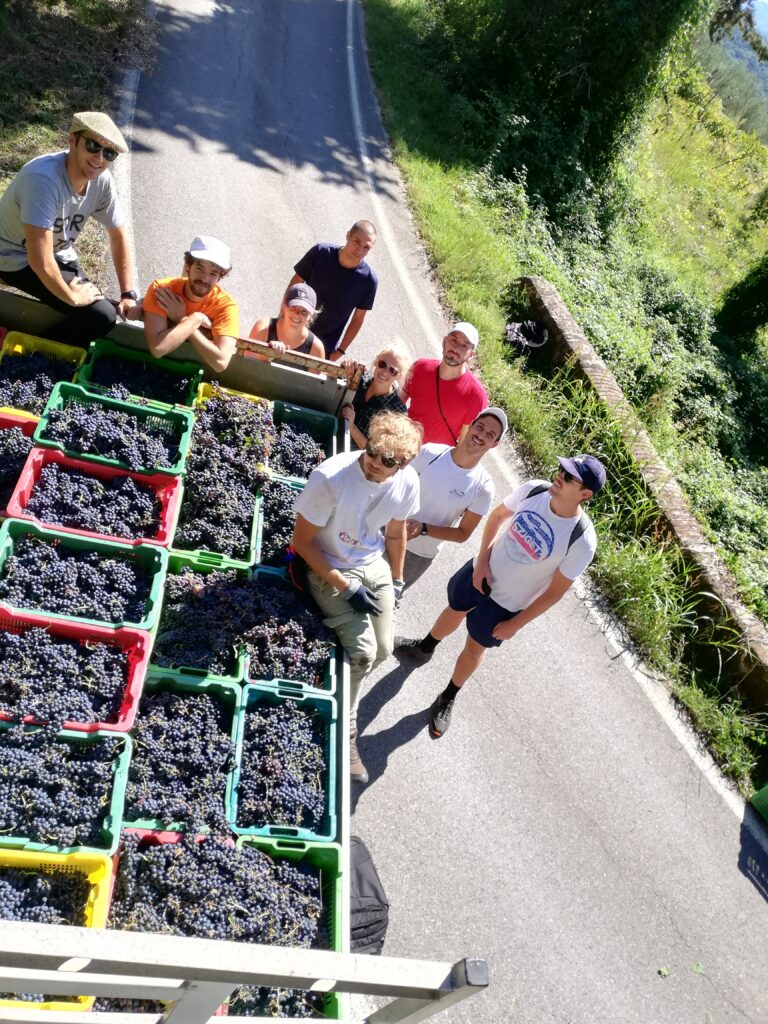
Although Manuel Pulcini makes wine in Tuscany, his connection with the art of winemaking goes back to his childhood, to the small winery his parents had in the outskirts of Rome. Studying oenology at the University of Pisa was a logical step in his life, which was later complemented by several stints in wineries scattered throughout Italy (Tuscany, Piedmont, Lazio). However, when he decided to settle in a place to make wine, he resolved not to return to his native land, because he rented, along with a group of friends, some 2.5 hectares of abandoned vineyards in the province of Lucca, Tuscany, in order to start a project of rehabilitation of the vineyards.
When it comes to finding answers to the challenges he encounters in his daily activity as a winemaker, Manuel relies more on tradition than exactly on modern oenology. His ethics has to do with the regeneration not only of abandoned vineyards but also of bygone and ingrained winemaking procedures. So, he promotes an environmentally responsible kind of agriculture, as he tries to hear and understand the old values the elderly farmers want to share with him. Not for nothing is Manuel known in the region as the “amico dei Nonni” (friend of grandpas).
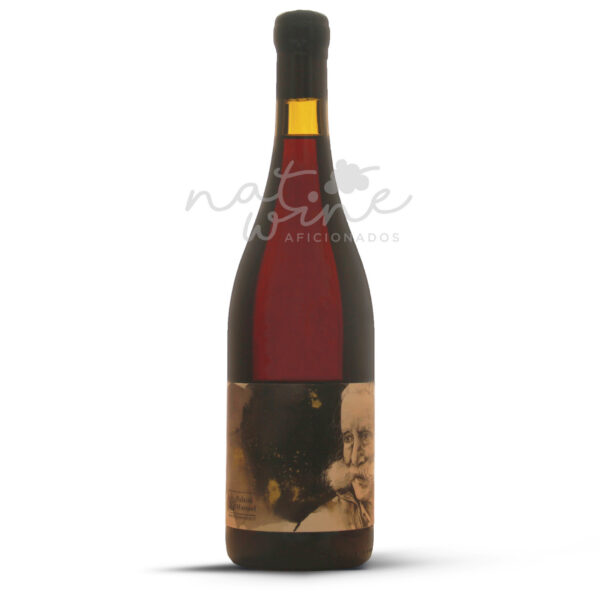
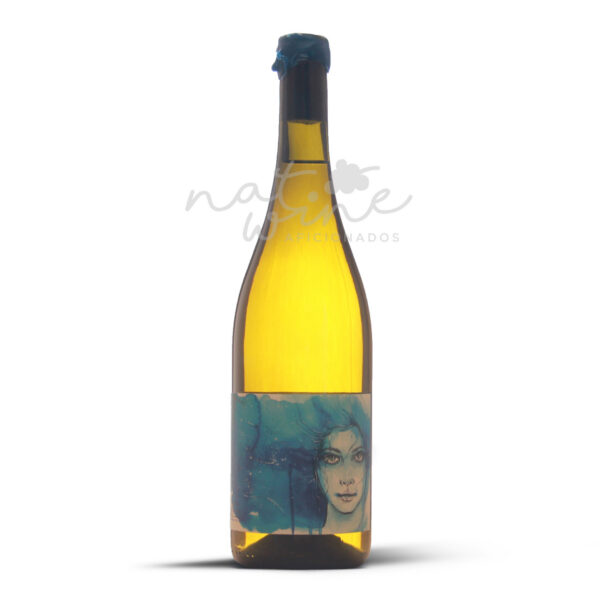
Manuel’s production is curiously divided into four sections, which underline the importance of the four elements: La Marròca (water), Il Barbicoa (fire), Il Vizio Ramingo (earth) e Il Bercio del Sirca (air). The wines, nonetheless, are always distinct – what in a given year is an orange wine may in the following year be a pét nat.
"“I like my wines to have a personality that is able to be recognizable over the years. Acidity, minerality, and the terroir of Tuscany – these are the parameters which define my idea of drinkability.”"
— Manuel Pulcini| Estate Name | Manuel Pulcini |
|---|---|
| Country | Italy |
| Region | Tuscany |
| Vineyard Area | 2.5 hectares |
| Viticulture | Minimal intervention, biodynamic practices |
| Terroir | The geology varies in accordance with the localization fo the parcels: galestro soil (a rocky, schistous clay soil commonly found in Tuscany), hills rich in organic matter, and also limestone. |
| Grape Varieties | Trebbiano, Malvasia, Vermentino, Syrah, Sangiovese, Canaiolo, Ciliegiolo |