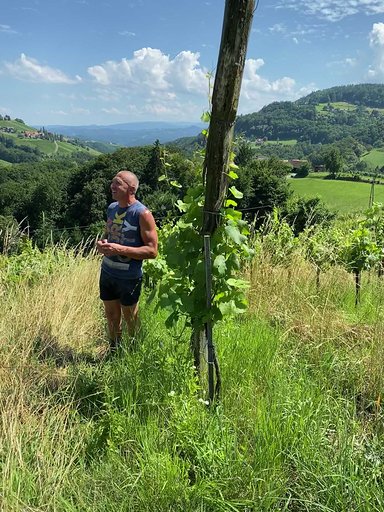
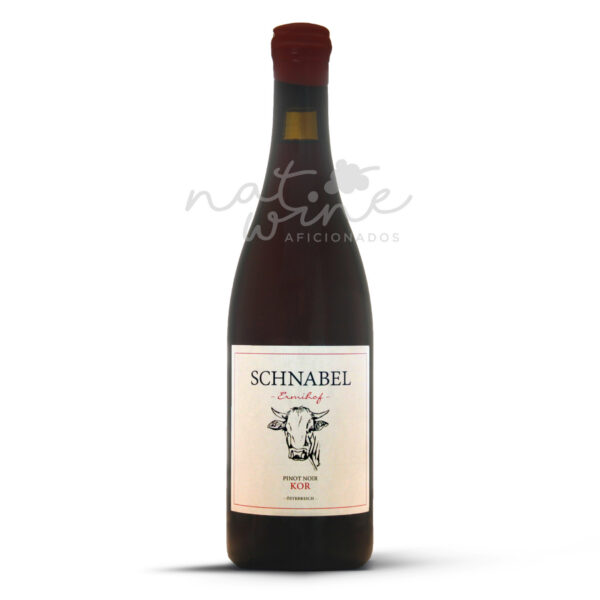
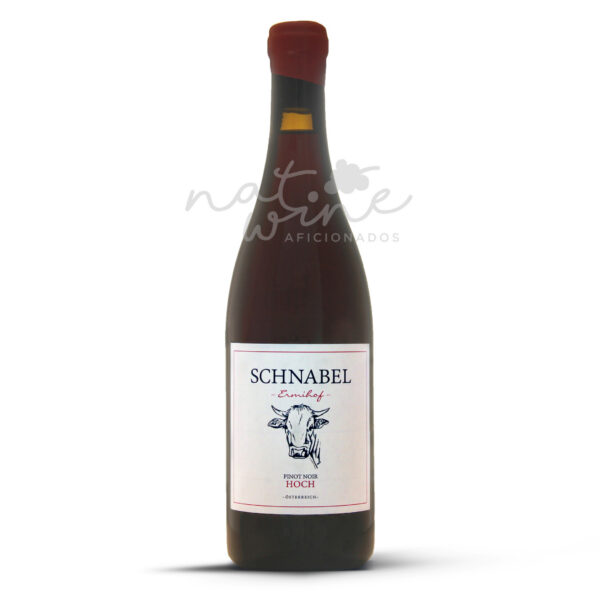
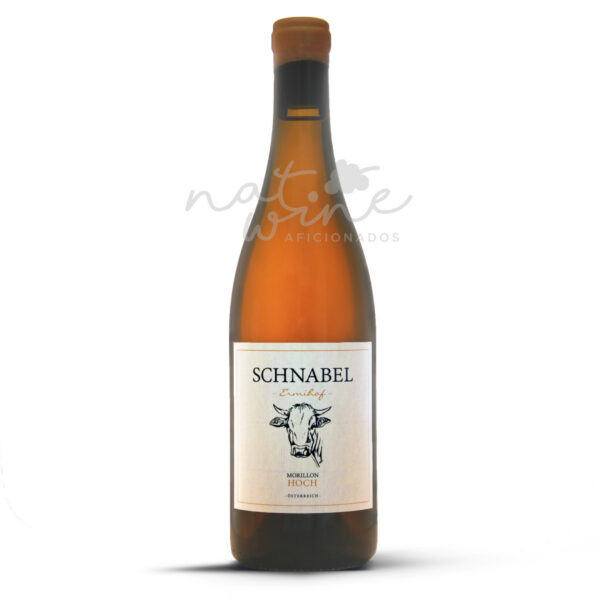
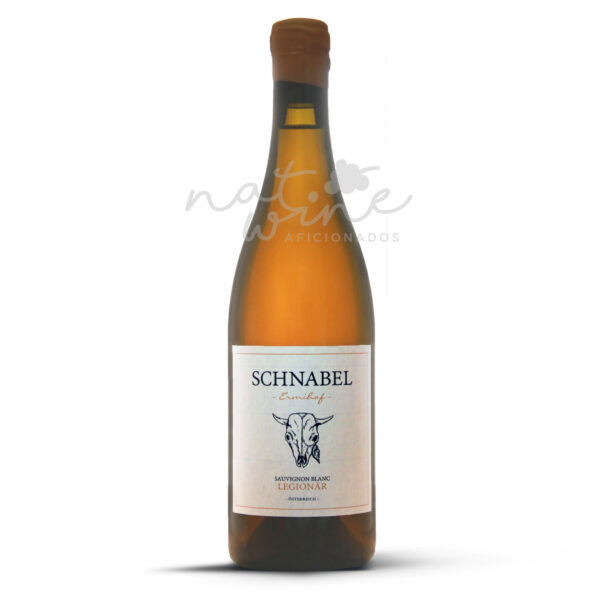
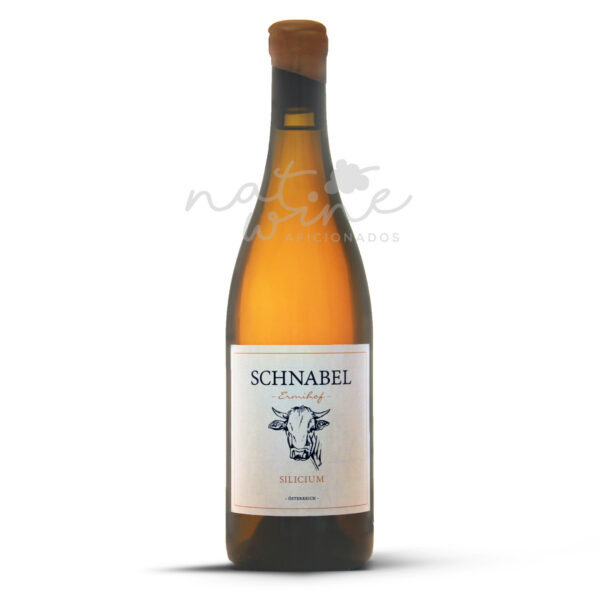
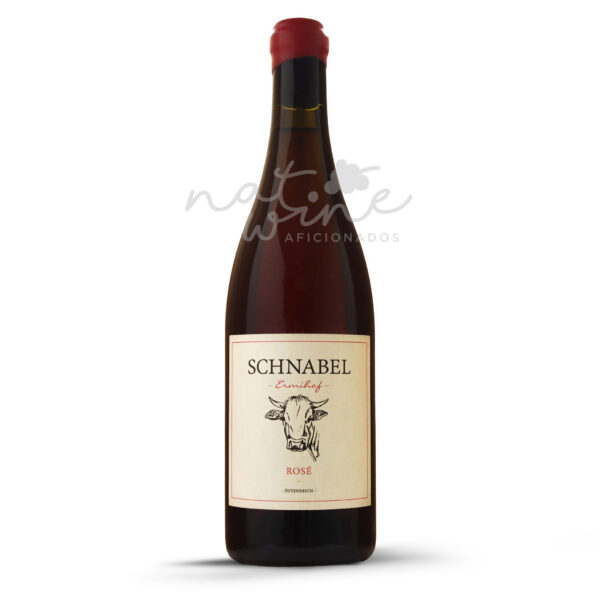
Dating back to the Paleozoic era, the mountain range Sausal, in the southwest of Styria, is a true landscape treasure, with vineyards perfectly perched in the sharply angled slopes, and where grass grows so exuberantly that serves as the ideal pasture for small herds of cattle. It is in this idyllic landscape that the traveler, when he catches a glimpse of some Celtic cattle, may be practically certain that he is in the domain of Karl and Eva Schnabel.
Sausal was an island that arose some 300 million years ago, given birth to loose, rocky soils, and it is in this topography that, after spending some years in Burgundy, the family Schnabel built a viticultural “island,” fortified by an artisanal kind of farming, divided into three parcels, Hochegg, Koregg, and Kreuzegg, which make up 5 hectares, where the use of tractors, chemical products or any type of technological manipulation are eschewed, and the resultant wines mirror the height of fidelity to the terroir and the history of Styria.
Both the Schnabel have studied in Vienna – Karl studied agricultural economics, and Eve studied business administration – and after that they traveled around the world. Their three children now work with them, and all live in a house that used to belong to Karl’s grandparents. They make wines without sulfites and without other additives, so they are minimalists, intriguing, energetic, labyrinthic. At any moment the cycle of life carries out the gravitational trajectory: biodynamics in life, which means to say, biodynamics in the vineyard.
"“To be a real grape farmer is an inner programme: either you are or you are not. Above all, natural wine is a cultural good that puts a spell on you that stays with you forever.”"
Eva y Karl Schnabel
| Nome da Propriedade | Weingut Karl Schnabel |
|---|---|
| País | Austria |
| Região | Styria |
| Área da Vinha | 5 hectares |
| Viticultura | Demeter biodynamic certification |
| Terroir | Hochegg’ soil, south-southeast exposure, altitude of 560 meters, silica fragments with deposits of iron which give some reddish brown color to the slate, high and steep slope with a breezy microclimate; Koregg’s soil, south-southwest exposure, altitude of 520 meters, siliceous primary rocks, very arid, showing the accumulation of some humus, and deep schist with a stony structure leaner than in the other vineyards; Kreuzegg’s soil, south-southwest exposure, altitude of 500 meters, consists in slate soils with silex. |
| Castas | Blaufränkisch, Pinot Noir, Riesling., Sauvignon Blanc, Zweigelt |