


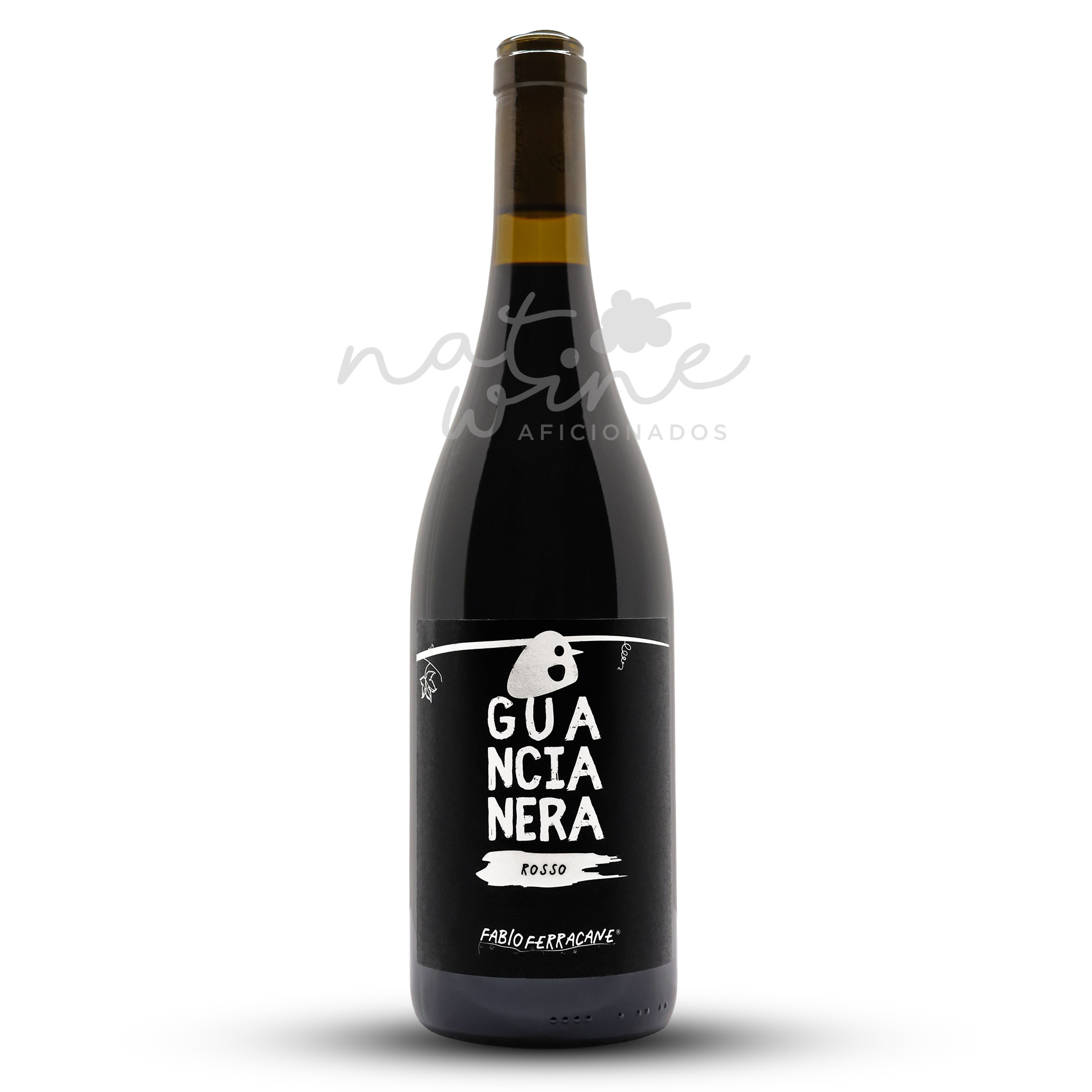
Fabio Ferracane
GuanciaNera 2024
14,40 €
+0.00 pts for the Aficionados Club
Out of stock
Deep, intense ruby, with high opacity. A gentle, harmonious and sincere wine, with notes of red fruit (cherry and strawberry) and soft tannins.
Technical Sheet
-
Região: Sicily (Marsala) – Contrada Birgi, Marsala
-
Castas: Nero d'Avola
-
Cor / Estilo: Red
-
Solo: Predominantly clay-loam. 20 metres altitude. East-West exposure.
-
Área das Vinhas: 2 hectares
-
Idade das Vinhas: 13 years
-
Colheita: Hand-picked, 2nd week of September.
-
Vinificação: Fermentation with indigenous yeasts. 8 days of skin contact, gentle pressing.
-
Envelhecimento: 11 months of ageing in stainless steel tanks.
-
Colagem / Filtração: No / No
-
Adição de Sulfuroso: 41 mg/L
-
Álcool: 12 %
-
Produção: 1068 bottles
-
Volume: 0.75 L
Producer
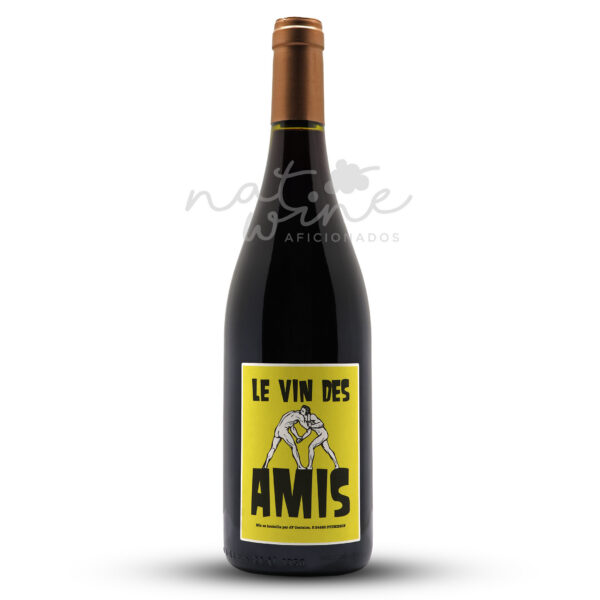
Mas Coutelou
Le Vin Des Amis 2023
RedsLanguedoc
13,10 €
The nose reveals aromas of black and red fruit, orange peel and subtle floral notes. On the palate the tannins and acidity are well present, revealing a clear gastronomic appeal. The finish is long, delicious and persistent. Should be drunk slightly cool.
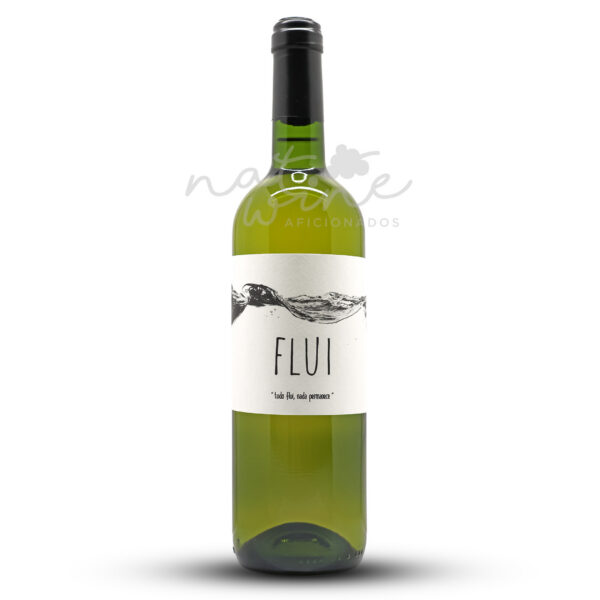
Flui
Flui Branco 2022
WhitesLisbon
14,70 €
The balance, freshness and subtlety of the aromas stand out. On the palate it is light and inviting, pairing well with fish dishes or white meats.
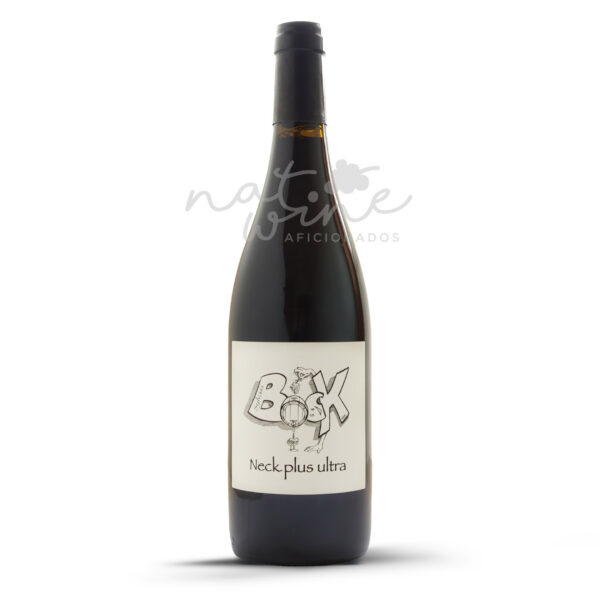
Sylvain Bock
Neck Plus Ultra 2019
RedsRhône
18,90 €
Full-bodied, deep, robust red, distinguished by spicy notes. To drink now, although it will reward those who are willing to keep it for a couple of years.
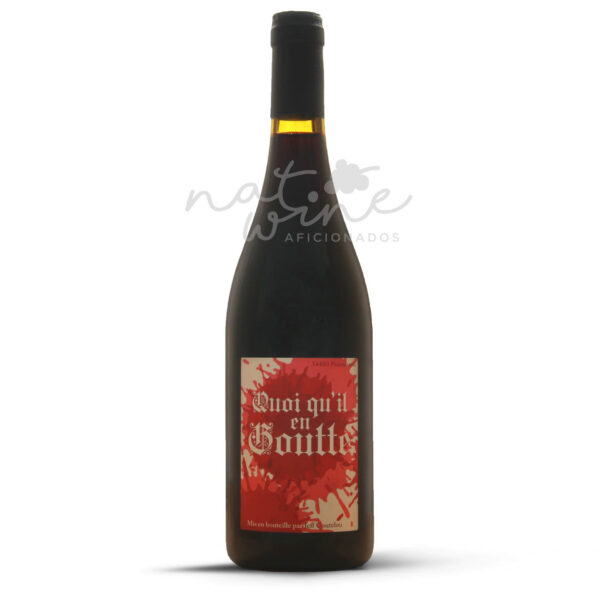
Mas Coutelou
Quoi Qu’IL En Goutte 2019-20
RedsLanguedoc
10,50 €
Syrah and Carignan from 2019 blended with Syrah from 2020. It shows a deep red hue. The nose and palate are dominated by notes of blackberry and black cherry, supported by spicy and bittersweet traits. The tannins are ripe, the acidity balances the whole and the finish is long and persistent. Decanting is recommended.
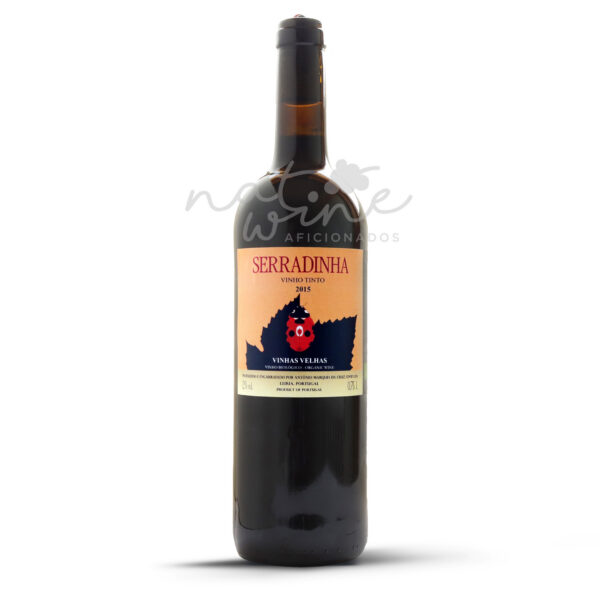
Quinta da Serradinha
Serradinha Vinhas Velhas 2015
RedsLisbon
28,80 €
One of Portugal's great red wines! With a truly Atlantic character. Complex on the nose, complex on the palate. The finish is truly impressive. Rather than reading about it, this wine should be drunk alongside a roast from the oven.
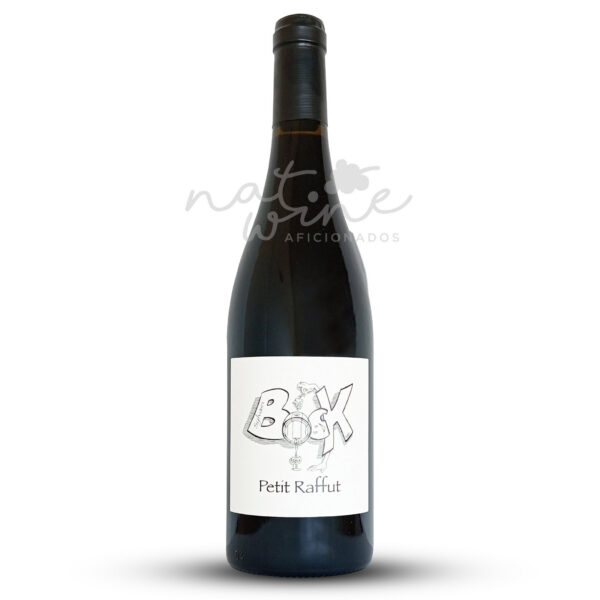
Sylvain Bock
Petit Raffut 2022
RedsRhône
14,60 €
This wine combines drive and delicacy. Full of energy, with elegant tannins and a captivating freshness.
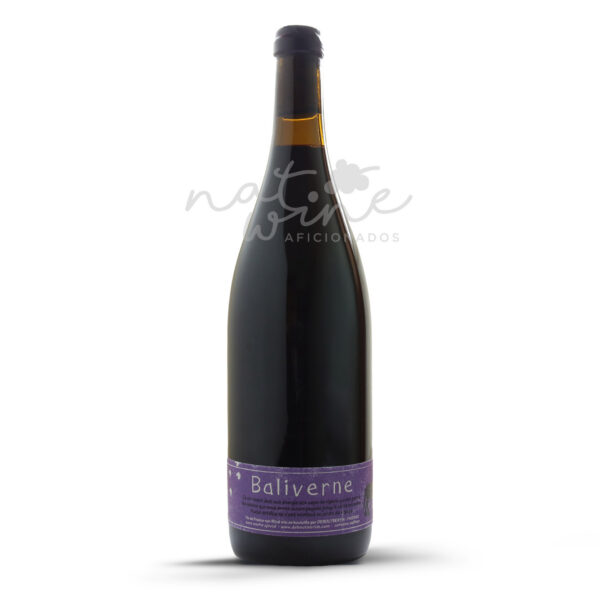
Deboutbertin
Baliverne 2019
RedsLoire
20,90 €
Dark-hued Grolleau, sourced from a small parcel of schist and quartz. Rebellious character, and rustic on the nose. In the mouth, it reveals nuances of dark fruit and a kind of acidity that confers the wine an irresistible balance. Gastronomic wine. Serve a bit chilled.
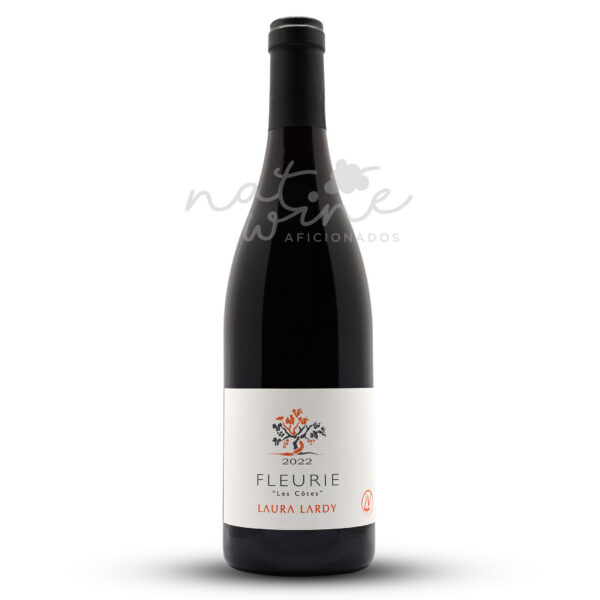
Laura Lardy
Fleurie « Les Côtes » 2022
RedsBeaujolais
19,50 €
Aromas of dried flowers, violets and black fruit. On the palate it shows delicate, pure fruit, wrapped in fine, silky tannins. Irresistible!
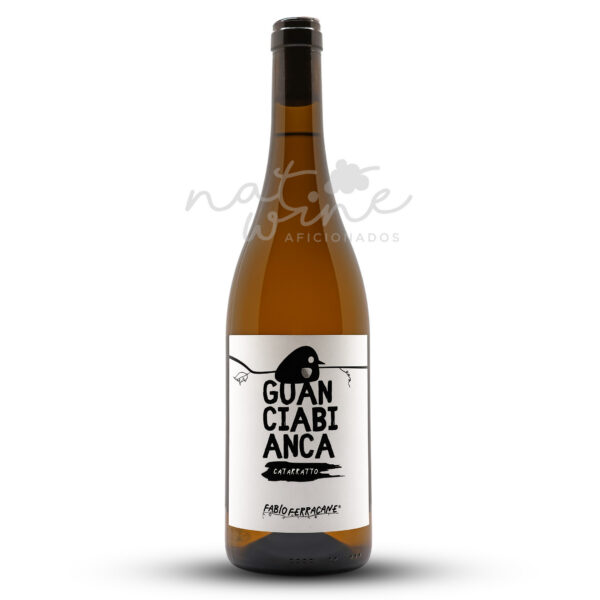
Fabio Ferracane
Guanciabianca 2025
WhitesSicily
14,10 €
Golden yellow, with aromas of yeast, aromatic herbs, white fruit and almond. On the palate it is balanced, with good body, fresh, savoury and persistent.
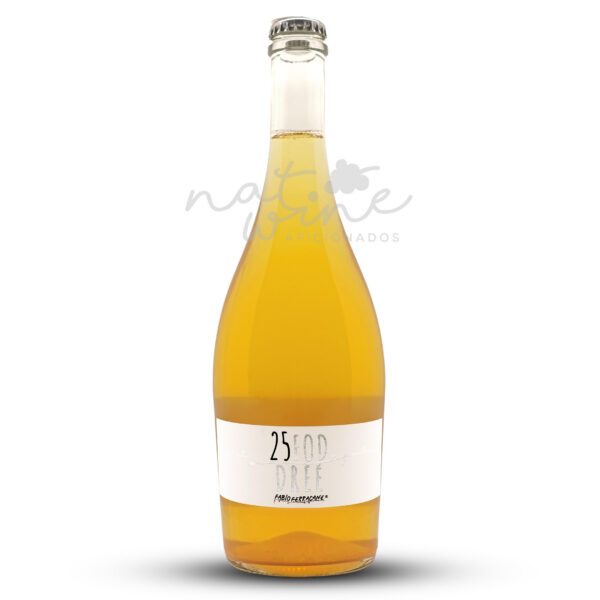
Fabio Ferracane
25Foddree’
BubblesPétillant NaturelSicily
13,90 €
Aromas of yeast, pear and almond on the finish. Very fresh, savoury and long on the palate, with vibrant acidity and a marked mineral character. Excellent food-pairing versatility.
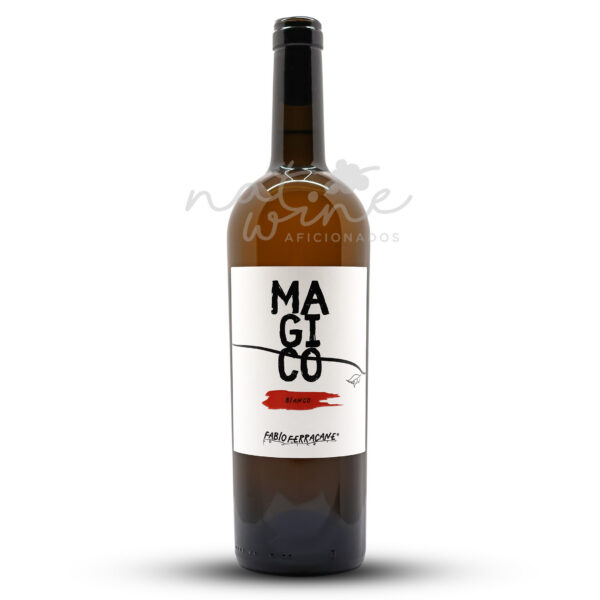
Fabio Ferracane
Magico Bianco 2024
WhitesSicily
14,90 €
Straw yellow with golden reflections. Flavourful and aromatic on the palate, with notes of citrus and peach; on the nose, orange blossom and fresh fruit, especially peach and lemon.
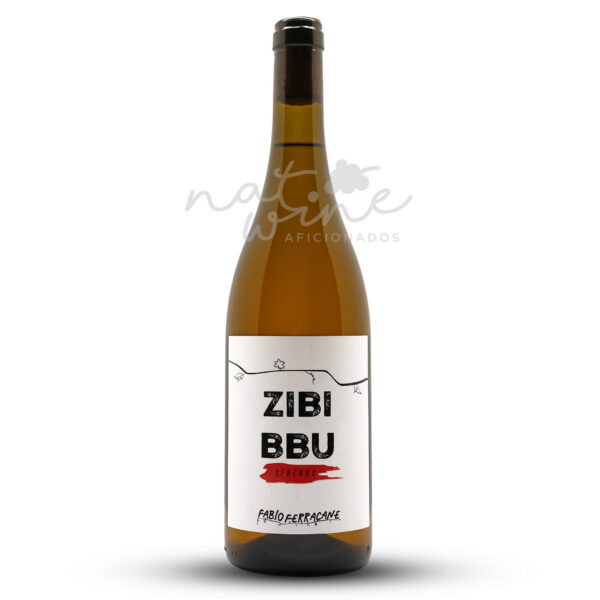
Fabio Ferracane
Zibibbu 2025
WhitesSicily
15,80 €
A dry white wine of great character. Deep straw yellow. Smooth, fresh, savoury and enveloping on the palate, far from the sweet or overly perfumed stereotypes associated with the variety.
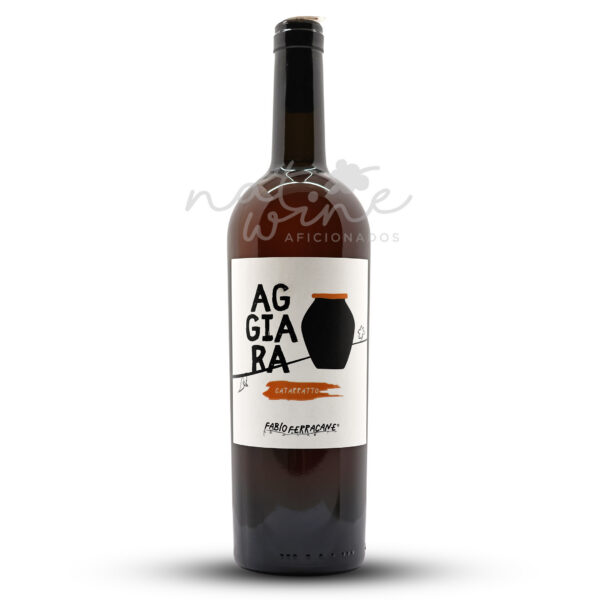
Fabio Ferracane
Aggiara 2022
OrangesSicily
19,70 €
Intense yellow colour with amber and orange reflections. An enveloping nose, with notes of yeast, bergamot and almond, recalling fresh bread and Sicilian citrus. On the palate it is full-bodied and robust, with soft tannins and a surprising freshness and salinity.
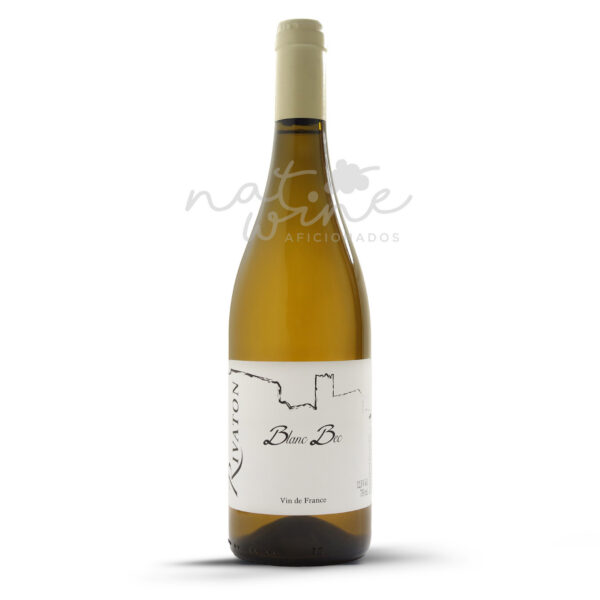
Domaine Rivaton
Blanc Bec 2019
WhitesRoussillon
16,80 €
A triumvirate of white grapes from the south of France farmed from 60 to 100-year-old vineyards. At this moment, it shows the balance, complexity, and nuances of wild fruit and wildflowers. It will certainly benefit from aging.
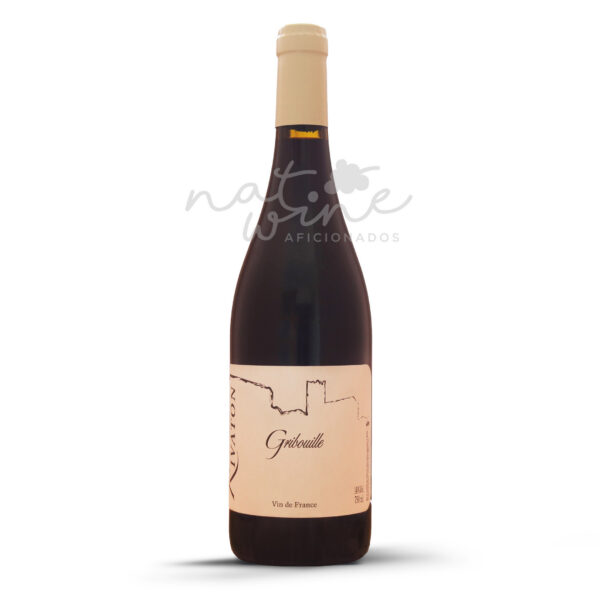
Domaine Rivaton
Gribouille 2015
RedsRoussillon
16,60 €
Exhibiting a well-structured freshness, combined with spicy tones. It’s deep and tasty in the mouth, and it will evolve in the bottle over time, in case one resists opening it right now. It is, indisputably, a highly gastronomic wine.
Deboutbertin
Baliverne 2019
RedsLoire
20,90 €
Dark-hued Grolleau, sourced from a small parcel of schist and quartz. Rebellious character, and rustic on the nose. In the mouth, it reveals nuances of dark fruit and a kind of acidity that confers the wine an irresistible balance. Gastronomic wine. Serve a bit chilled.
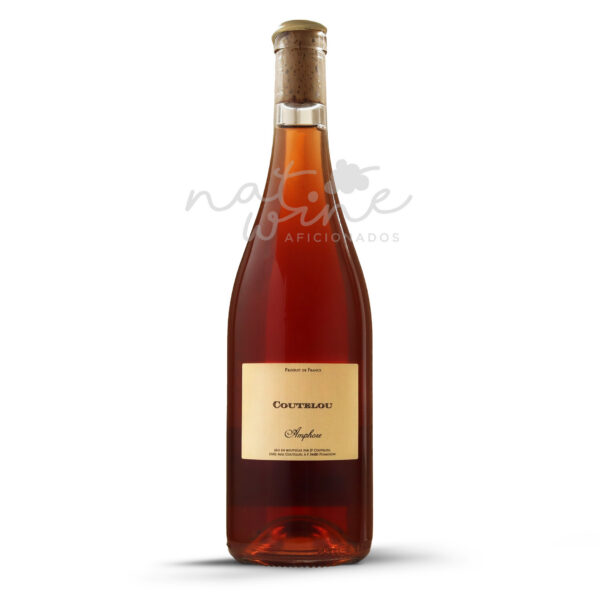
Mas Coutelou
Amphore Métissée 2019
WhitesLanguedoc
21,80 €
Red grapes are vinified as white wine. Aged in amphora, it will definitely last many years in the bottle. Decant it, if you can’t resist opening it now.
Sylvain Bock
Neck Plus Ultra 2019
RedsRhône
18,90 €
Full-bodied, deep, robust red, distinguished by spicy notes. To drink now, although it will reward those who are willing to keep it for a couple of years.
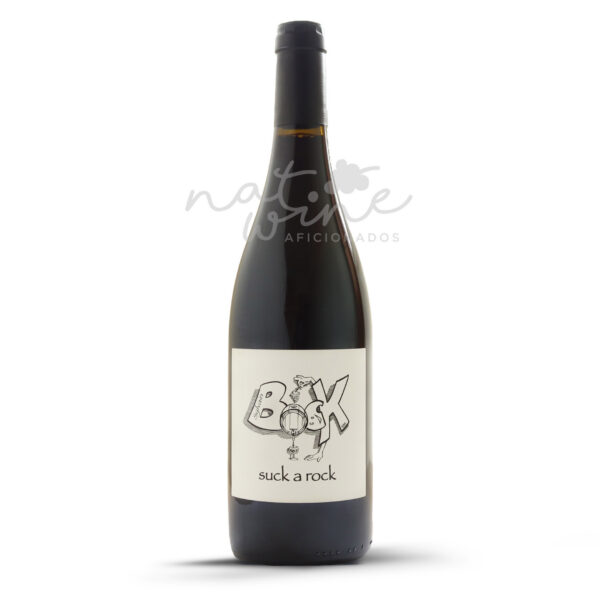
Sylvain Bock
Suck a Rock 2019
RedsRhône
18,60 €
Enjoyable and agreeable to drink. Notes of violet, nuanced by the freshness and balance, are the main components of the whole wine.
Sylvain Bock
Petit Raffut 2022
RedsRhône
14,60 €
This wine combines drive and delicacy. Full of energy, with elegant tannins and a captivating freshness.
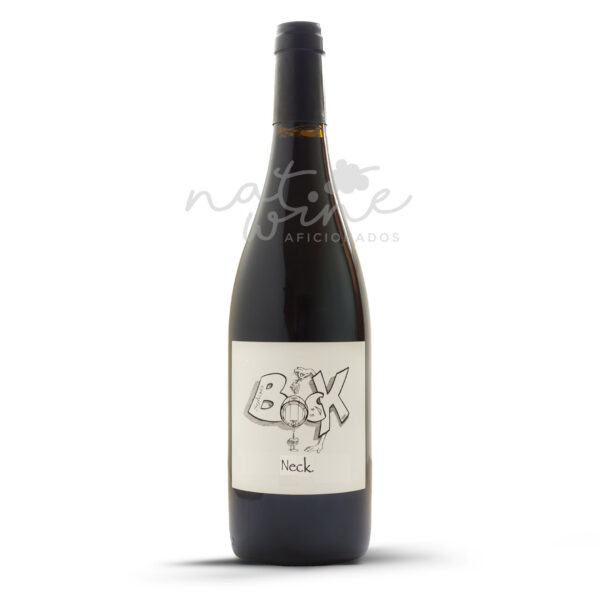
Sylvain Bock
Neck 2022
RedsRhône
13,90 €
Its excellent acidity paired with vibrant black fruit forms an elegant whole. It's a deep, dry wine. Decanting is recommended.