


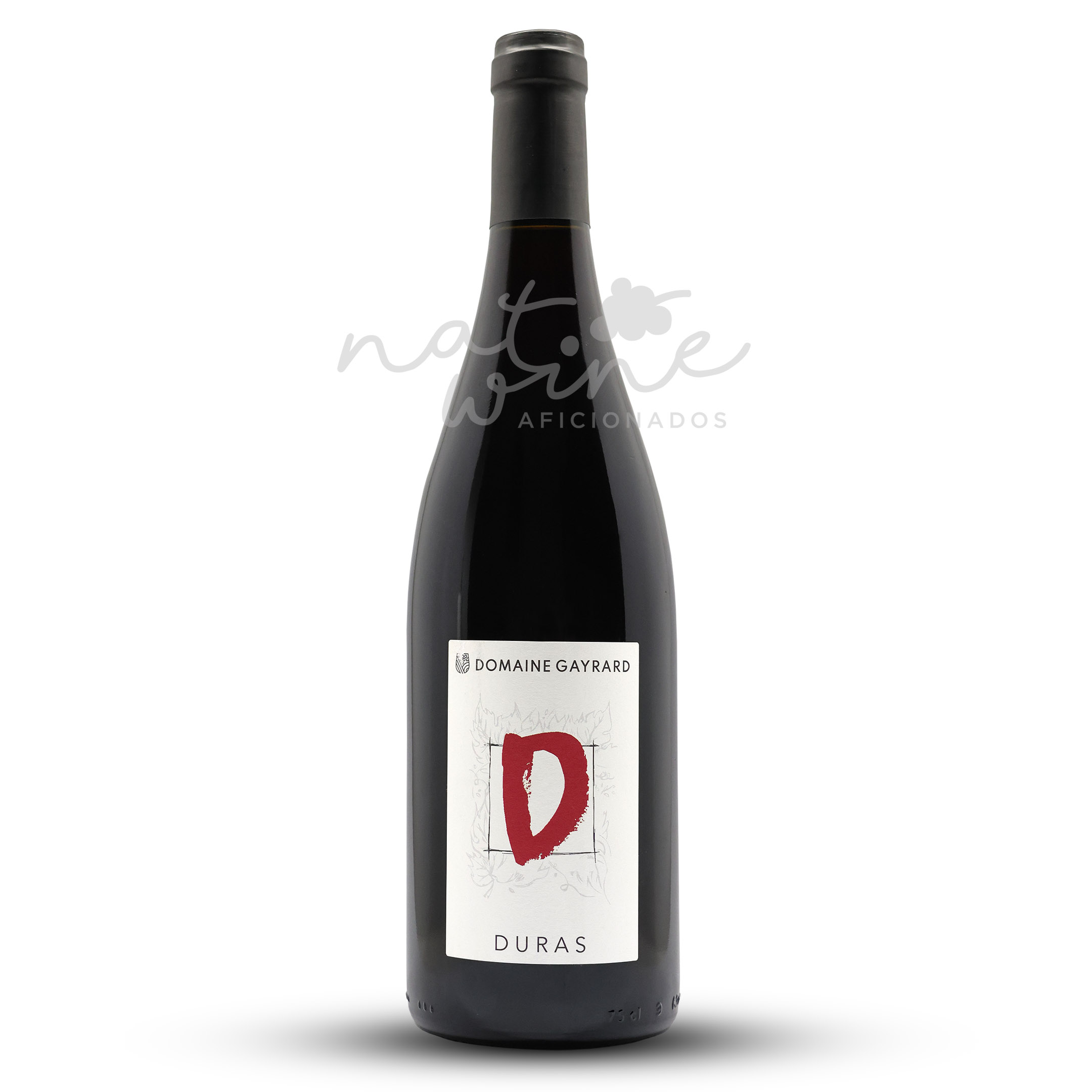
Domaine Gayrard
Duras 2023
8,80 €
+0.00 pts for the Aficionados Club
In stock
Ruby colour with coppery reflections. Aromatic, intense aromas with hints of black pepper. On the palate it is fruity, intense, spicy and powerful.
Technical Sheet
-
Região: Sud-Ouest, AOP Gaillac
-
Castas: Duras
-
Cor / Estilo: Red
-
Solo: Limestone
-
Área das Vinhas: 3 hectares
-
Idade das Vinhas: 30 years
-
Colheita: Manual harvest.
-
Vinificação: Light maceration. Spontaneous fermentation using indigenous yeasts in concrete vat.
-
Envelhecimento: Aged in stainless steel tanks.
-
Colagem / Filtração: No / No
-
Adição de Sulfuroso: 13 mg/L
-
Álcool: 12.5 %
-
Produção: 19,000 bottles
-
Volume: 0.75 L
Producer
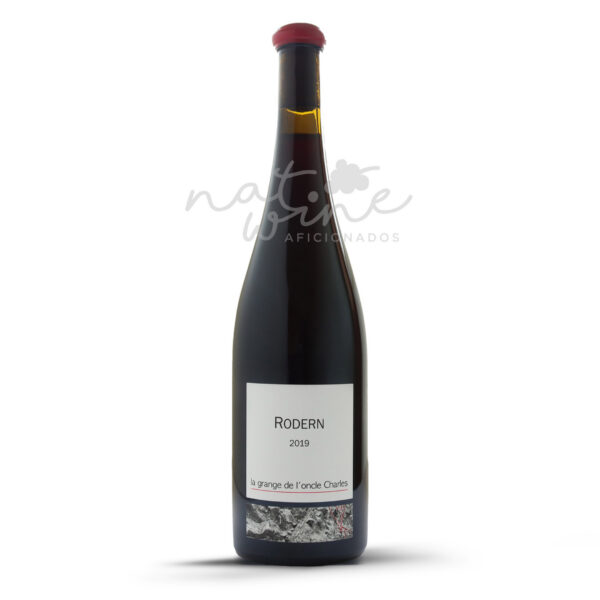
La grange de l'oncle Charles
Rodern 2019
PalheteAlsace
32,00 €
Very aromatic on the nose, showing wild fruits and dried flowers. Dense and spicy in the mouth, with very delicate tannins. Conveying a lot of personality. It is advisable to decant.
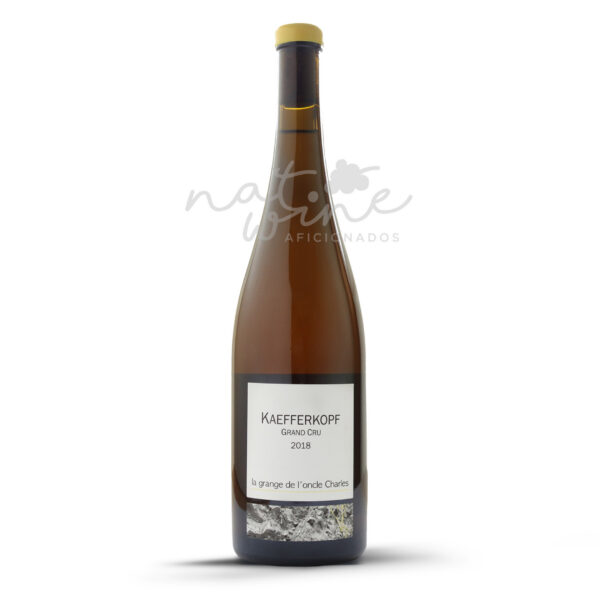
La grange de l'oncle Charles
Kaefferkopf Grand Cru 2018
WhitesAlsace
51,00 €
An old-school kind of wine. On the nose, it shows a complex fusion of tangerine peel, pear, and dried fruits. In the mouth, we feel the rustic, imposing energy, a mixture of power and vivacity. The finish is long and assertive. Ideal to pair with savory, elaborate dishes.
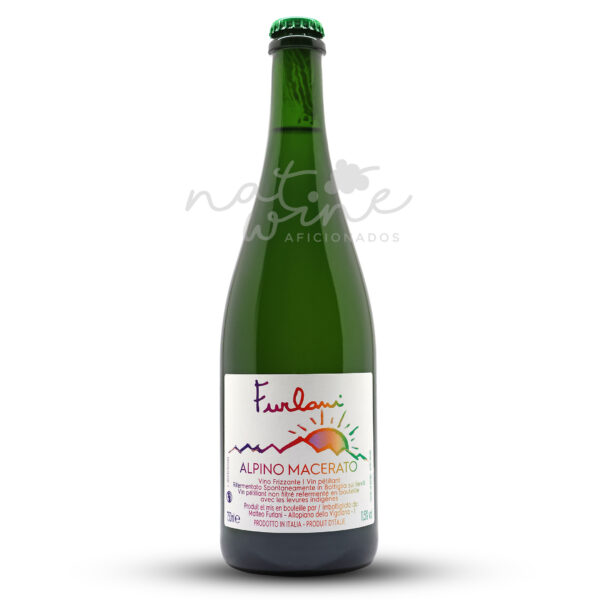
Cantina Furlani
Alpino Macerato 2023
BubblesPétillant NaturelTrentino
13,90 €
Delicate on the nose, with light and creamy bubbles on the palate. Great freshness, with notes of already ripe fruit. Extremely easy to drink. Serve between 8 – 10°C.
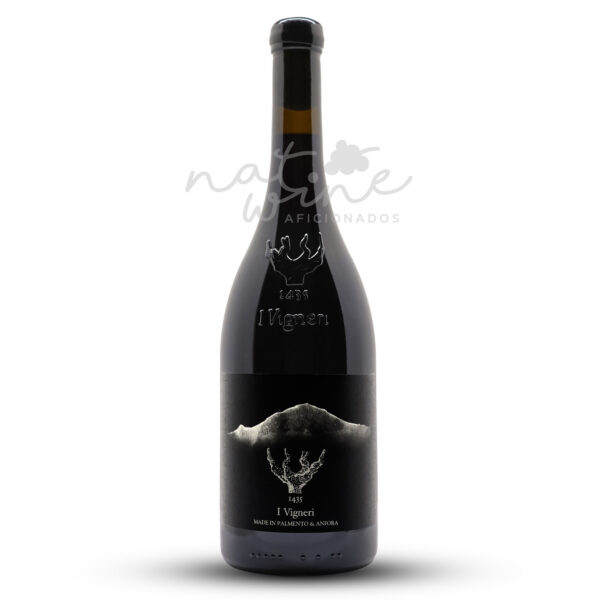
I Vigneri di Salvo Foti & Figli
Palmento & Anfora 2025 – I Vigneri di Salvo Foti & Figli
RedsSicily
29,90 €
Dark ruby colour tending towards garnet. Floral, fruity and spicy aromas. On the palate it is soft and round, with elegant tannins and a persistent finish. Excellent food pairing potential.
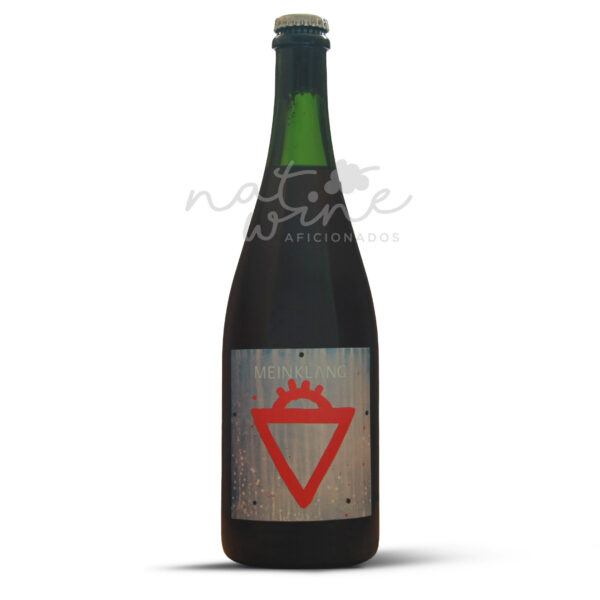
MeinKlang
Morgen Edition 3 N.V.
RosésBurgenland
25,00 €
A rosé with a very light effervescence. On the nose, aromas of wild strawberries and redcurrant. Had a tough day at work? Open it in the early evening, between 10–12°C, and see how the vibrant acidity of the Sankt Laurent grape brings a boost of mood and energy!
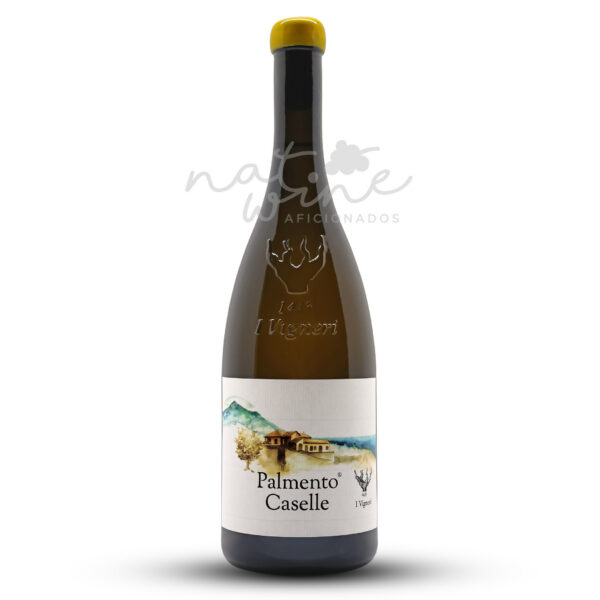
I Vigneri di Salvo Foti & Figli
Palmento Caselle 2022 – I Vigneri di Salvo Foti & Figli
WhitesSicily
94,70 €
Soft golden colour with silvery reflections. Impressive nose: aromas of honeycomb, melon, pear, quince marmalade and dried mango, with notes of cedar, anise and dried meadow flowers. On the palate it combines depth and vibrant freshness, with subtle notes of dried fruit, enveloping sweet fruit and a spiced finish. A monumental wine!
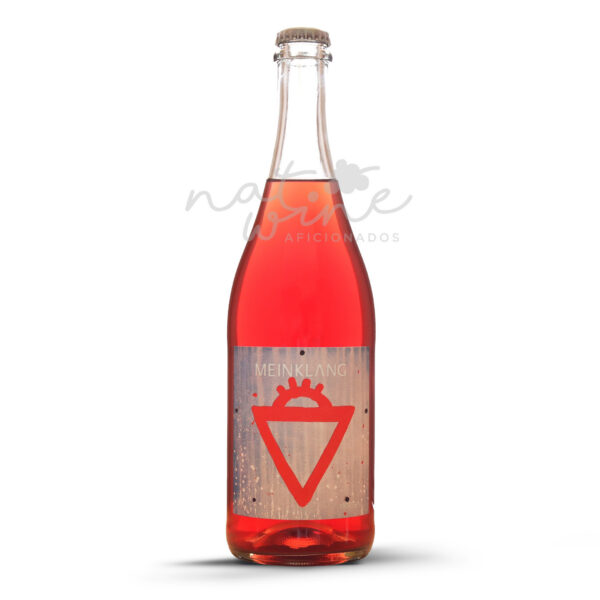
MeinKlang
Morgen Edition 2 N.V.
RosésBurgenland
25,00 €
With a light effervescence, this rosé reveals in the nose aromas of wild strawberry and current. Did you have a busy day? Open this wine in the evening, serve it at 10 - 12°C, and you’ll see how the active acidity of the grape Sankt Laurent will provide you with moments of good mood and liveliness.
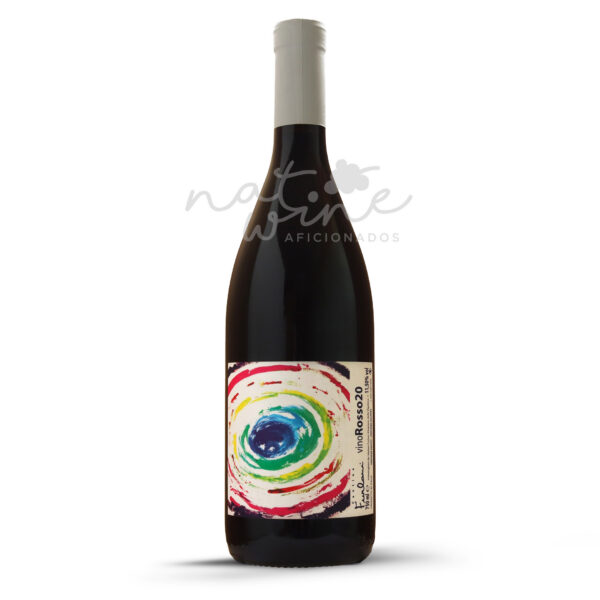
Cantina Furlani
Rosso20 2022
RedsTrentino
13,90 €
A blend of several grape varieties, mainly from the Trentino area. The result? A different red, showing the typicity of the land. Seductive, crunchy and light. Serve between 14 – 16°C.
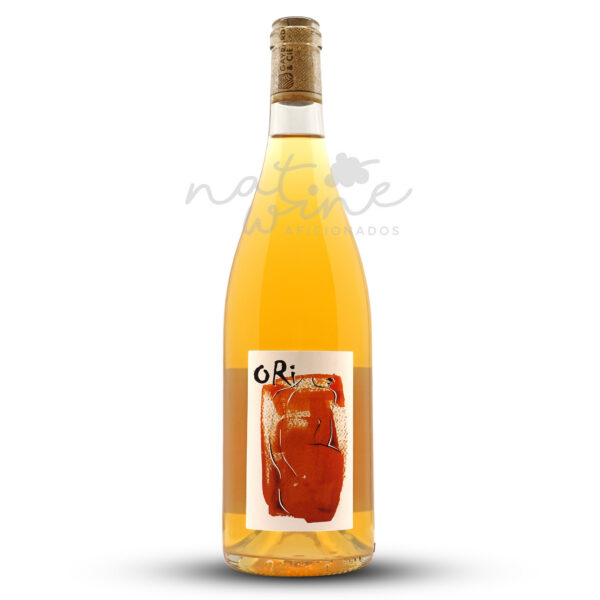
Domaine Gayrard
Ori 2023
OrangesSud-Ouest
13,70 €
Light orange colour with bright reflections, revealing captivating yellow fruit aromas on the nose. On the palate it is fresh and mineral, with a good balance between tension and tannins.
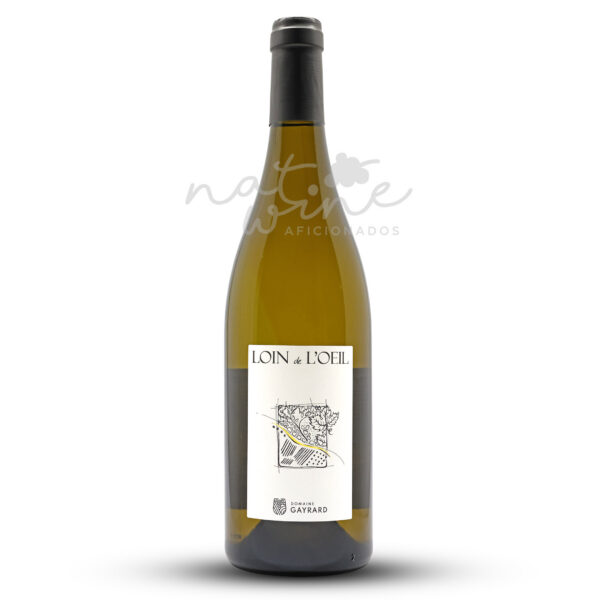
Domaine Gayrard
Loin De L’Oeil 2023
WhitesSud-Ouest
12,60 €
Yellow colour with golden reflections. Delicate nose of white flowers, undergrowth and white stone fruit. On the palate, the whole is harmonious, rich and broad, with nuances of black truffle and pear. A round wine, well-defined in body, with delicate, lively and fresh tannins. The finish is long and intense.
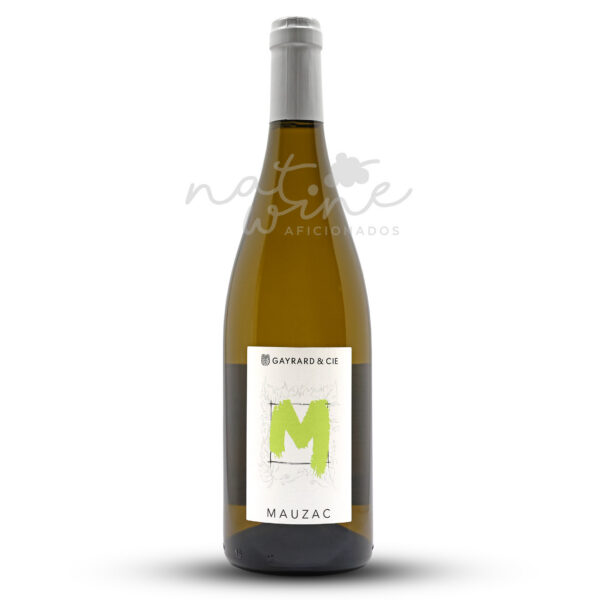
Domaine Gayrard
Mauzac 2023
WhitesSud-Ouest
9,60 €
Pale yellow with greenish reflections, showing fruity aromas, lightly citrusy, but also of quince and green apple. On the palate, the balance between tannins and acidity makes it appealing and even seductive. Long, well-structured finish.
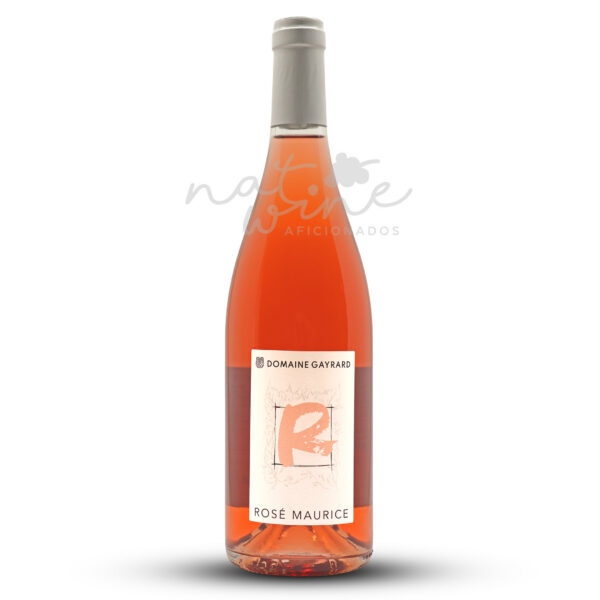
Domaine Gayrard
Rose Maurice 2023
RosésSud-Ouest
9,00 €
Pale salmon colour with silvery reflections. Generous and subtle aromas of roses, raspberries, redcurrants and spices. On the palate, it is fresh, generous and broad, with hints of strawberry and raspberry. Light-bodied, with silky, soft tannins, it reveals good intensity that expands into a persistent finish.
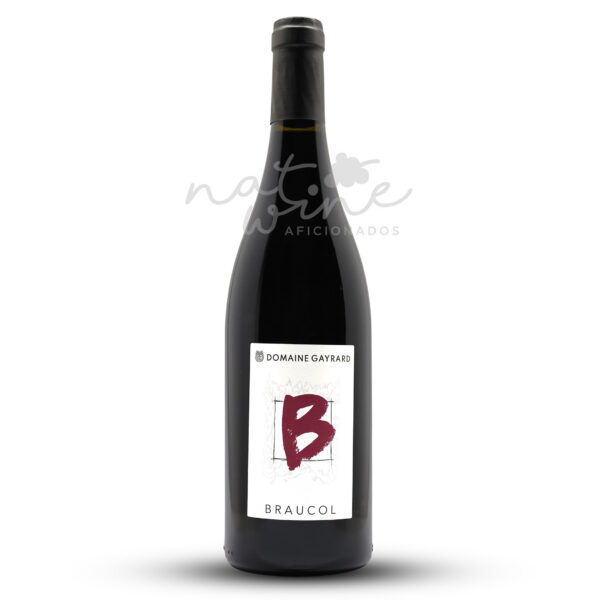
Domaine Gayrard
Braucol 2022
RedsSud-Ouest
8,50 €
Together, the fruity flavours of blackcurrant prevail, combined with a convergence of spices. The tannins are fine and have good intensity. Lively acidity balances the whole, making it tempting and irresistible.
MeinKlang
Morgen Edition 2 N.V.
RosésBurgenland
25,00 €
With a light effervescence, this rosé reveals in the nose aromas of wild strawberry and current. Did you have a busy day? Open this wine in the evening, serve it at 10 - 12°C, and you’ll see how the active acidity of the grape Sankt Laurent will provide you with moments of good mood and liveliness.
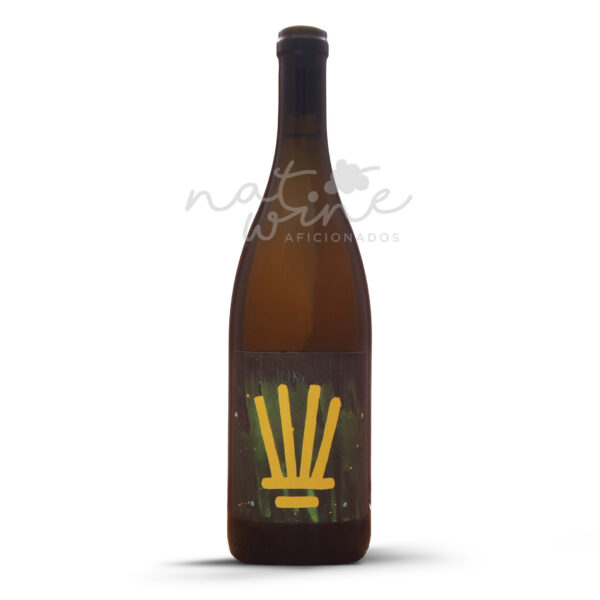
MeinKlang
Tag Edition 3 N.V.
OrangesBurgenland
25,00 €
The carbonic maceration of this macerated Grüner Veltliner reveals a funky, vibrant, electric side. Its elegance, minerality and low alcohol content (10.5%) make it a real challenge to stop drinking.
La grange de l'oncle Charles
Rodern 2019
PalheteAlsace
32,00 €
Very aromatic on the nose, showing wild fruits and dried flowers. Dense and spicy in the mouth, with very delicate tannins. Conveying a lot of personality. It is advisable to decant.
La grange de l'oncle Charles
Kaefferkopf Grand Cru 2018
WhitesAlsace
51,00 €
An old-school kind of wine. On the nose, it shows a complex fusion of tangerine peel, pear, and dried fruits. In the mouth, we feel the rustic, imposing energy, a mixture of power and vivacity. The finish is long and assertive. Ideal to pair with savory, elaborate dishes.
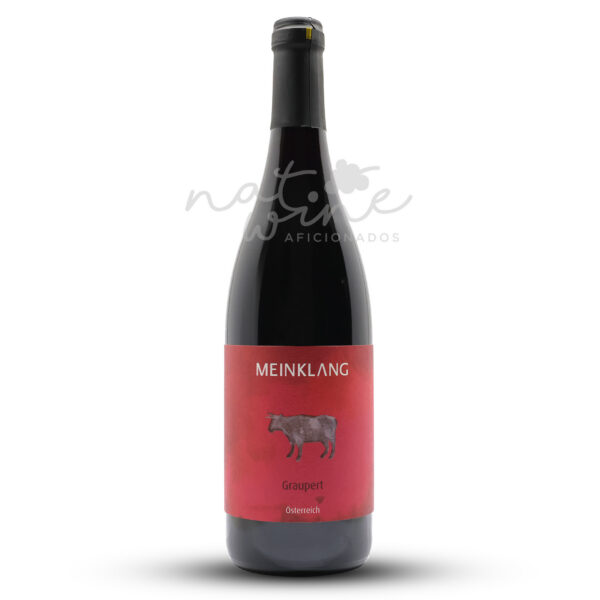
MeinKlang
Graupert Zweigelt 2021
RedsBurgenland
16,20 €
Complexity, elegance and a persistent finish. All this is the result of a blend of spice, balanced acidity, elegant tannins and black fruit aromas. Perfect to pair with meat stews.
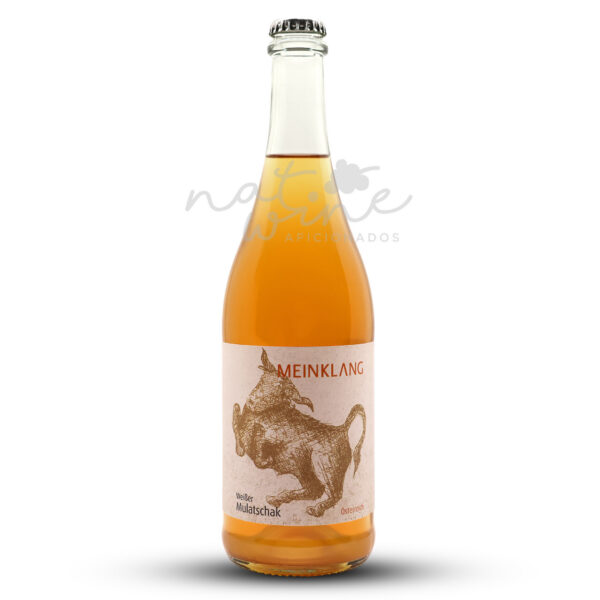
MeinKlang
Weißer Mulatschak 2024
OrangesBurgenland
11,20 €
A light, easy-drinking orange wine. Perfect for good conversation with friends! Serve between 8–10°C.
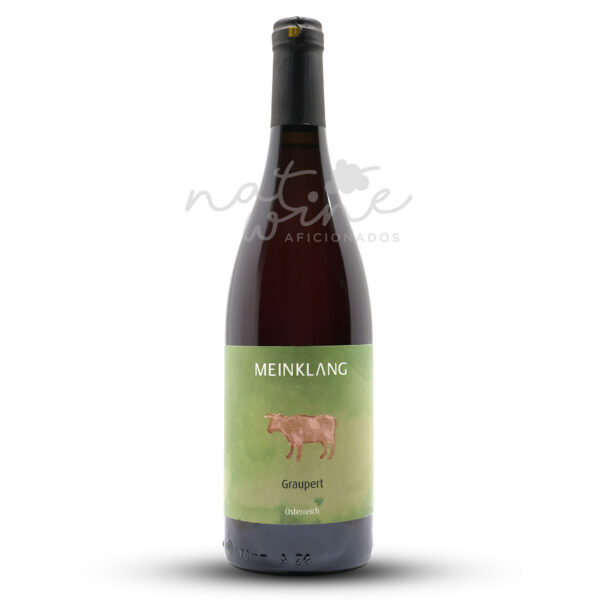
MeinKlang
Graupert Pinot Gris 2022
OrangesBurgenland
16,40 €
Wild by nature! Displays a golden-pink colour. On the palate, creaminess, stone-fruit flavours and a dry finish make this wine a great companion at the table. Drink now or cellar for a couple of years.
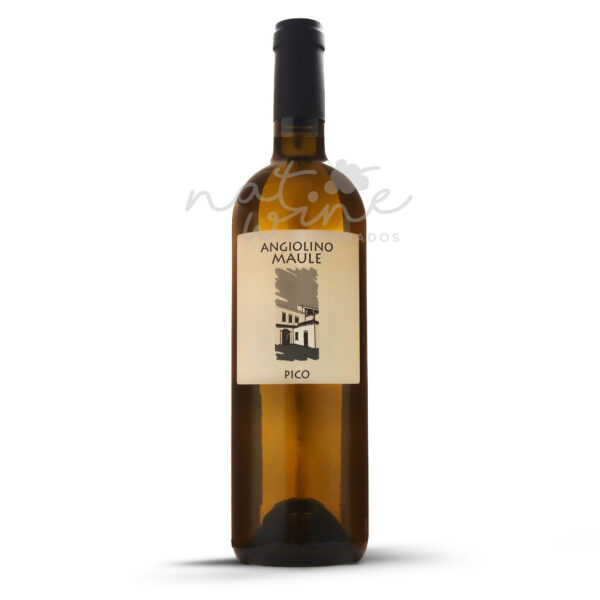
La Biancara
Pico 2020
OrangesVeneto
24,90 €
Golden yellow colour. This Garganega expresses olfactory complexity and elegance. It shows notes of ripe fruit, spice notes and mineral notes of flint and basalt. The aroma is full, with minerality emerging from a balance between acidity and body. This is a vibrant wine, evoking the volcanic hills it comes from.