


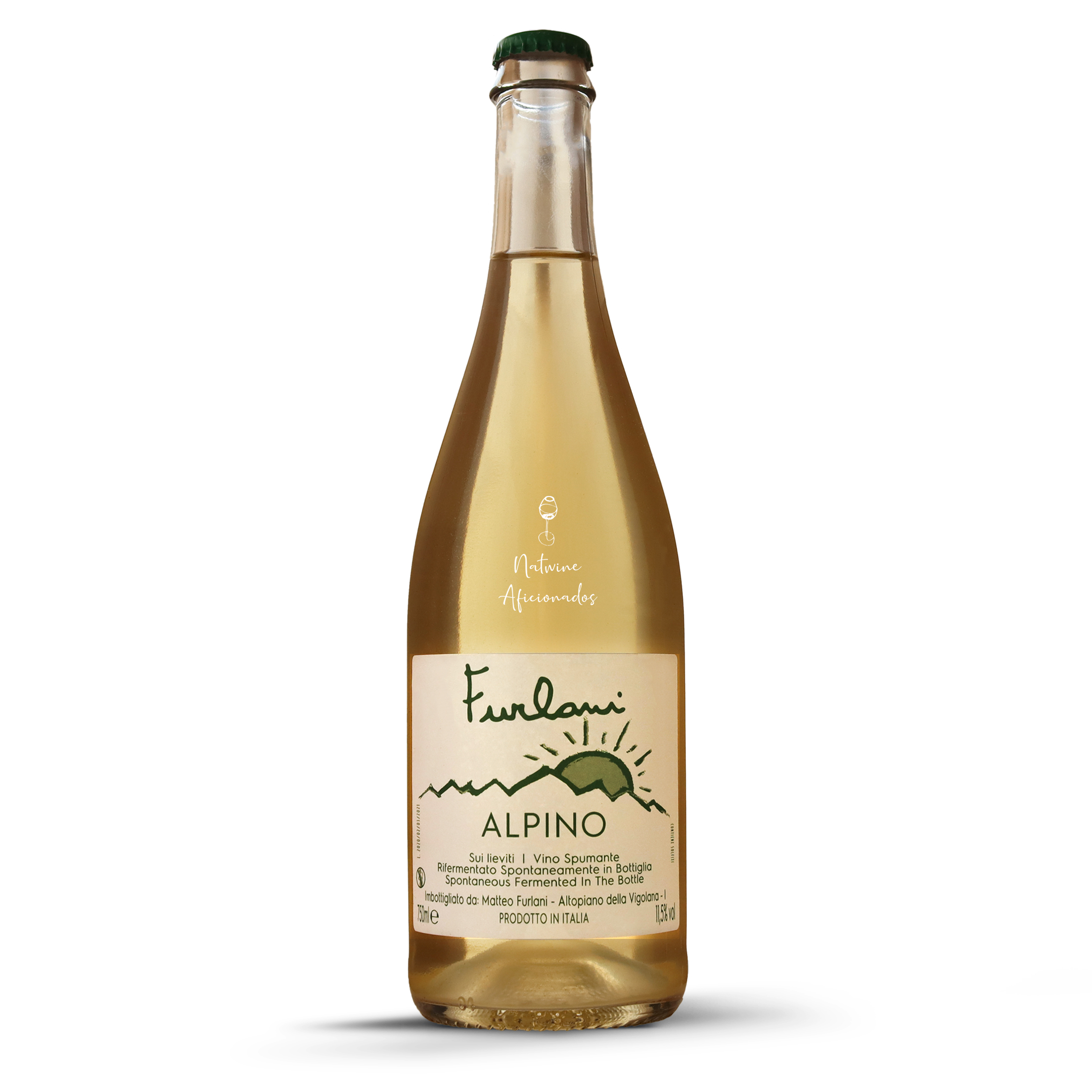
Cantina Furlani
Sur Lie Alpino 2019
13,40 €
+0.00 pts para o Clube Aficionados
In stock
This one gets to the heart of the matter. Creamy, elegant bubbles. Aromas of lemon zest and fresh herbs. In the mouth, a juxtaposition of sweet and sour impressions. Dry finish. Supremely captivating. Perfect for pairing with appetizers. Serve at 8 – 10°C.
Ficha Técnica
-
Região Detalhada: Trentino
-
Castas (Texto Livre): Lagarino Bianco, Verde Erbara, Nosiola
-
Cor/Estilo (Texto Livre): White / Pétillant Naturel
-
Solo: Dolomitic rock, clear and rich in calcium and magnesium, with dark soil derived from slow decomposition.
-
Área das Vinhas: 6 hectares
-
Idade das Vinhas: 30 years
-
Colheita (método): Manual harvest, in small boxes, held in August and September.
-
Vinificação: Spontaneous fermentation occurs in a steel vat, without the addition of yeasts and without the addition of any chemicals.
-
Envelhecimento: Natural refermentation in bottle, without added sugar.
-
Colagem / Filtração: No / No
-
Adição de Sulfuroso: 0 mg/L
-
Álcool: 11,5 %
-
Volume: 0,75 L
Produtor
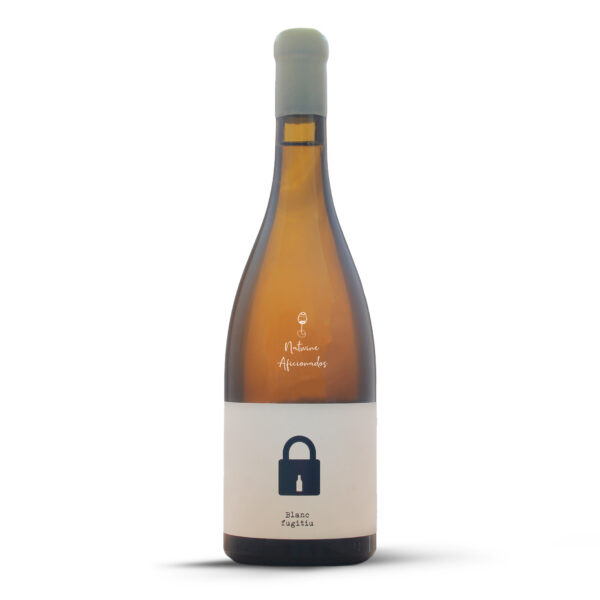
Bodega Clandestina
Blanc Fugitiu 2020
WhitesCatalonia
17,40 €
Showing an impressive mouthfeel at this moment. The balance comes from the integration of the fruit with the acidity, and so it’s a pleasure to drink this polished and almost aristocratic wine. Very long finish.
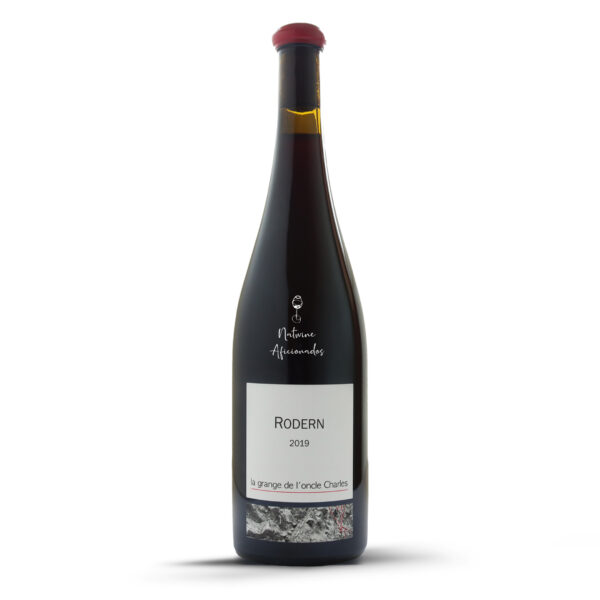
La grange de l'oncle Charles
Rodern 2019
PalheteAlsace
32,00 €
Very aromatic on the nose, showing wild fruits and dried flowers. Dense and spicy in the mouth, with very delicate tannins. Conveying a lot of personality. It is advisable to decant.
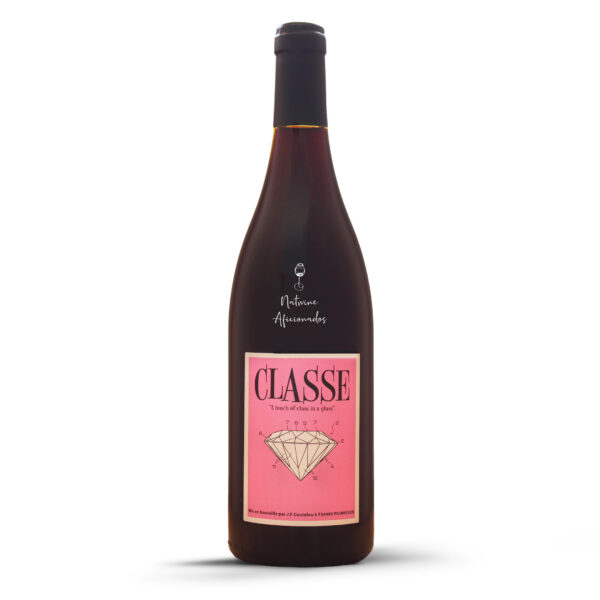
Mas Coutelou
Classe 2019
RedsLanguedoc
13,80 €
Exuberant on the nose, with earthy, black fruit tones. In the mouth, it shows elegance, derived from its medium body. The name of this wine says it all!
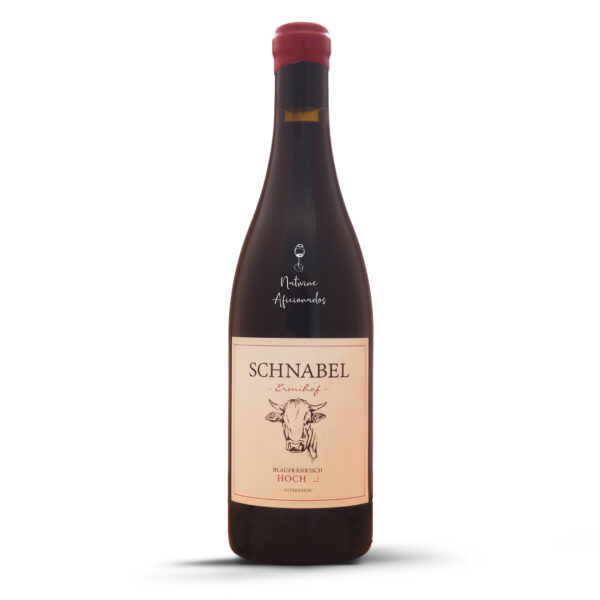
Weingut Karl Schnabel
Blaufränkisch Hochegg 2018
RedsStyria
35,90 €
The embrace of the minerality with flavors of wild black fruit creates complex levels of perceptions, thus turning this Blaufränkisch into an elegant and alluring wine. Only 1,500 bottles were produced.
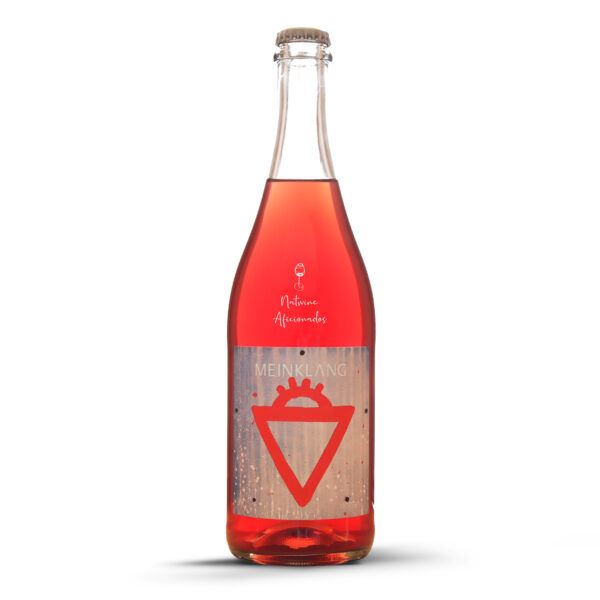
MeinKlang
Morgen Edition 2 N.V.
RosésBurgenland
25,00 €
With a light effervescence, this rosé reveals in the nose aromas of wild strawberry and current. Did you have a busy day? Open this wine in the evening, serve it at 10 - 12°C, and you’ll see how the active acidity of the grape Sankt Laurent will provide you with moments of good mood and liveliness.
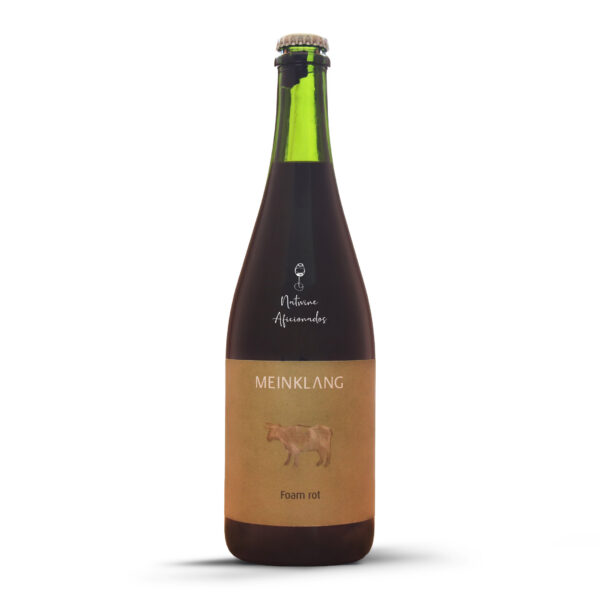
MeinKlang
Foam Rot 2019
BubblesPétillant NaturelBurgenland
17,00 €
A red Pét Nat? Yes, it’s not common. Rustic, and with well-defined acidity. Serve at 8 - 10°C, so that you could enjoy the freshness of this Foam Rot.
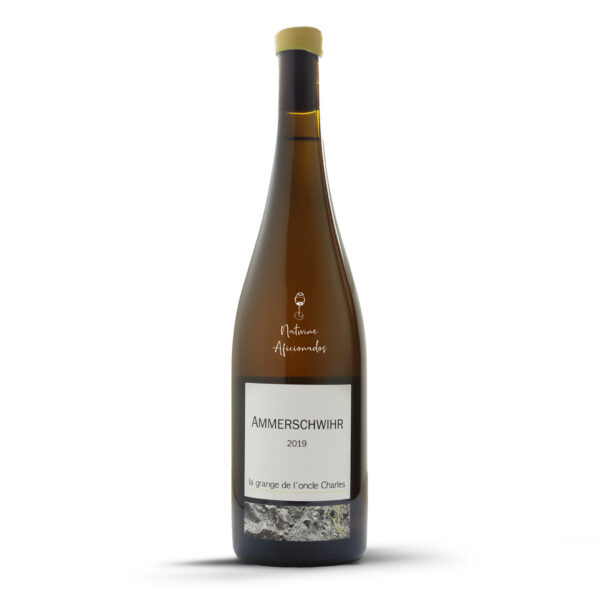
La grange de l'oncle Charles
Ammerschwihr 2019
WhitesAlsace
23,00 €
Complex and highly mineral. Elegant and intense in the mouth. A really vigorous character and structure, combined with a nice acidity, make this a multidimensional wine.

Deboutbertin
Baliverne 2019
RedsLoire
20,90 €
Dark-hued Grolleau, sourced from a small parcel of schist and quartz. Rebellious character, and rustic on the nose. In the mouth, it reveals nuances of dark fruit and a kind of acidity that confers the wine an irresistible balance. Gastronomic wine. Serve a bit chilled.

Cantina Furlani
Rosso20 2019
RedsTrentino
13,90 €
A blend of several grapes, mainly from the Trentino area. This results in a different kind of red, showing the typicity of the land where it was farmed. Alluring, crispy, light. Serve at 14 - 16°C.
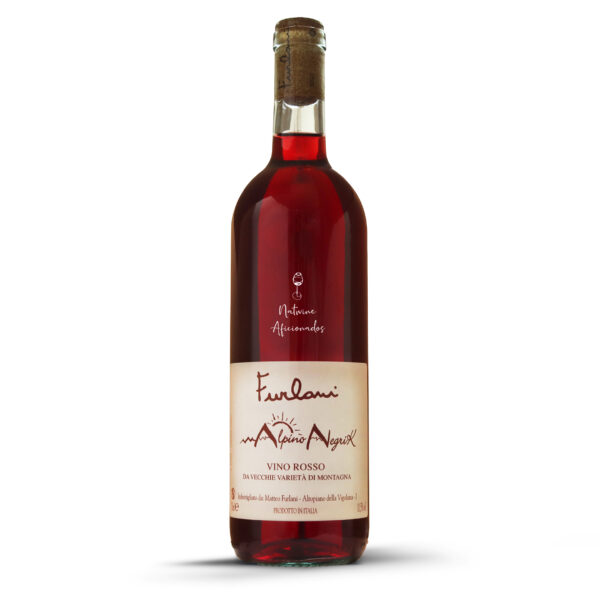
Cantina Furlani
Negrik Rosso 2019
RedsTrentino
13,90 €
Very fresh, light, and tasty. In the mouth, it shows nuances of currant. A perfect spring or summer red. Pairs well with charcuterie. Serve with a chill at 14 - 16°C.
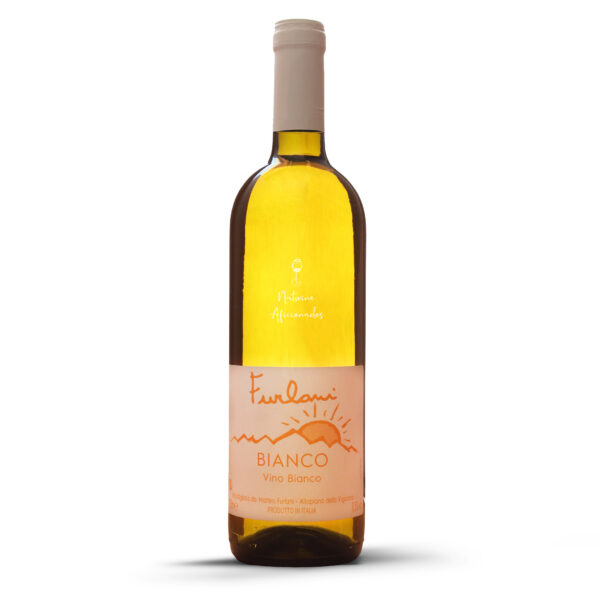
Cantina Furlani
Bianco Alpino 2019
WhitesTrentino
12,90 €
Very delicate and subtle. Tropical aromas assisted with an intense minerality. To be drunk alone, with a company, with food, without food. Serve at 8 - 10°C.
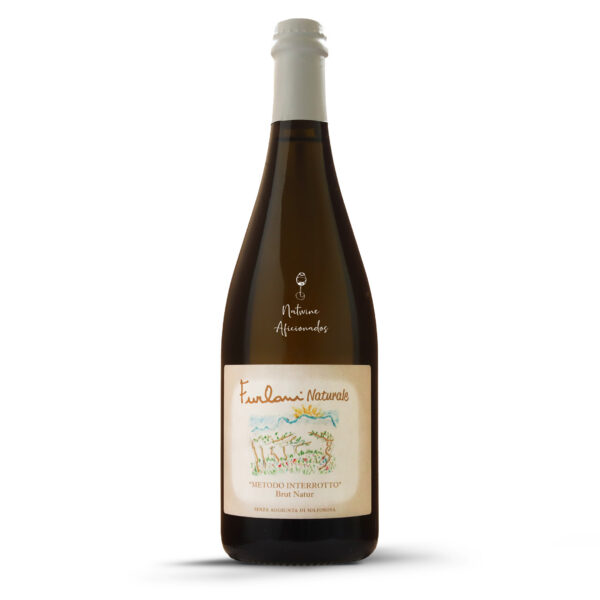
Cantina Furlani
Spumante “Metodo Interrotto” Brut Natur
BubblesSparkling wineTrentino
15,90 €
Upon opening the bottle, one is immediately attracted by the yellow-straw-colored reflections. A fresh, citric nuance envelops the palate. Dry and long finish, inducing another pour... and another. Serve at 8 - 10°C.
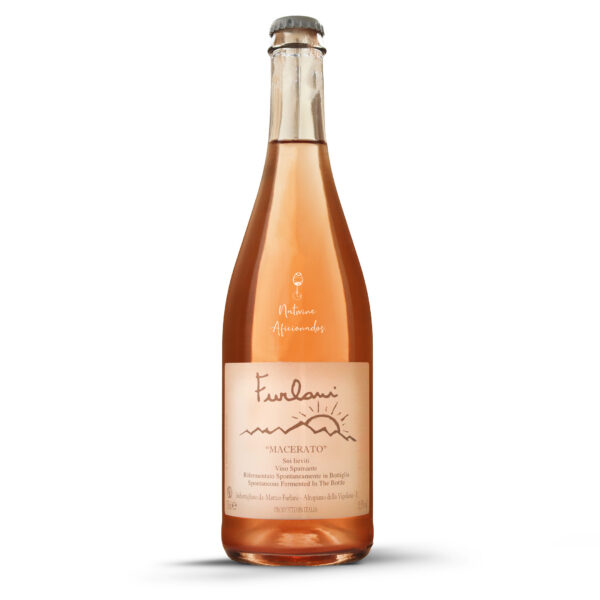
Cantina Furlani
Sur Lie Macerato Pinot Grigio 2019
BubblesPétillant NaturelTrentino
14,90 €
Aromas of grapefruit and wildflowers. It’s impressive how fast one drinks this wine! It is crisp and fresh in the mouth. Serve at 8 - 10°C.
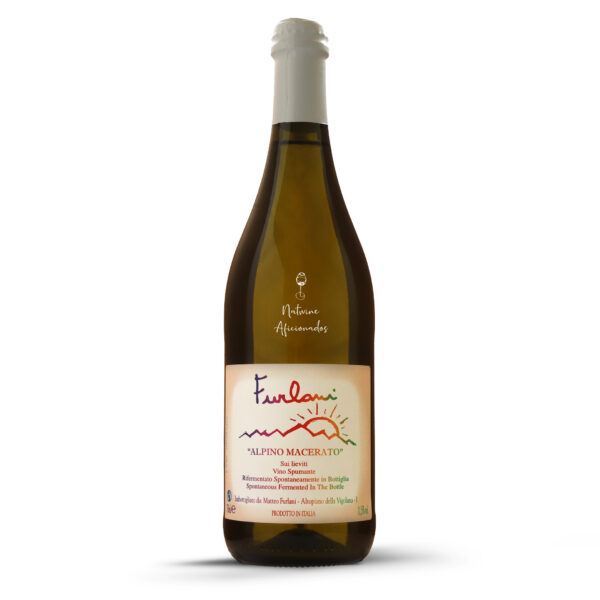
Cantina Furlani
Sur Lie Alpino Macerato 2019
BubblesPétillant NaturelTrentino
13,90 €
The nose is delicate, and in the mouth the bubbles are light and creamy. It is tremendously fresh, showing a zing of ripe fruit. Really easy to drink. Serve at 8 - 10°C.
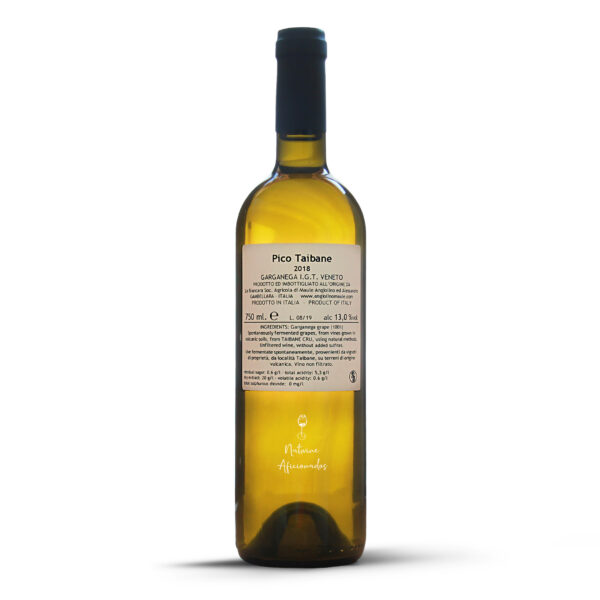
La Biancara
Pico Cru Taibane 2018
WhitesVeneto
25,90 €
Grapes are sourced from the cru of Taibane. Complex and mineral, it exhibits perfectly the typicity of the terroir.
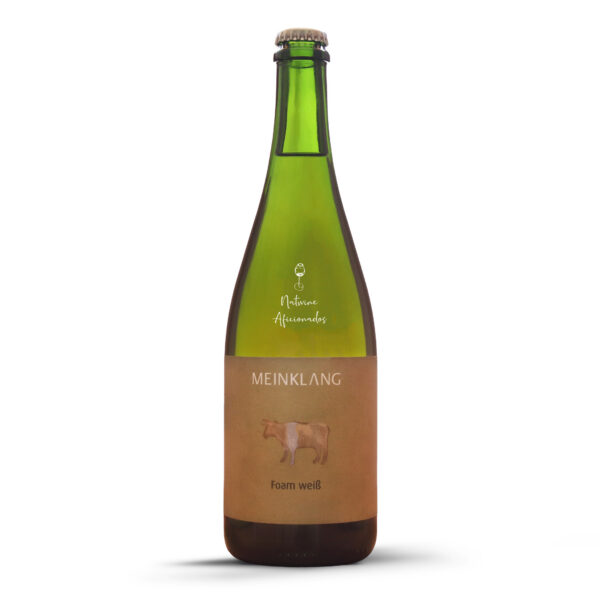
MeinKlang
Foam White 2019
BubblesPétillant NaturelBurgenland
17,00 €
A gastronomic, earthy, and funky Pét Nat. The nose shows a touch of hops and salt. In the month, flavors of wild apples. The complexity displayed by the bubbles makes this a serious wine.
MeinKlang
Foam Rot 2019
BubblesPétillant NaturelBurgenland
17,00 €
A red Pét Nat? Yes, it’s not common. Rustic, and with well-defined acidity. Serve at 8 - 10°C, so that you could enjoy the freshness of this Foam Rot.
MeinKlang
Morgen Edition 2 N.V.
RosésBurgenland
25,00 €
With a light effervescence, this rosé reveals in the nose aromas of wild strawberry and current. Did you have a busy day? Open this wine in the evening, serve it at 10 - 12°C, and you’ll see how the active acidity of the grape Sankt Laurent will provide you with moments of good mood and liveliness.
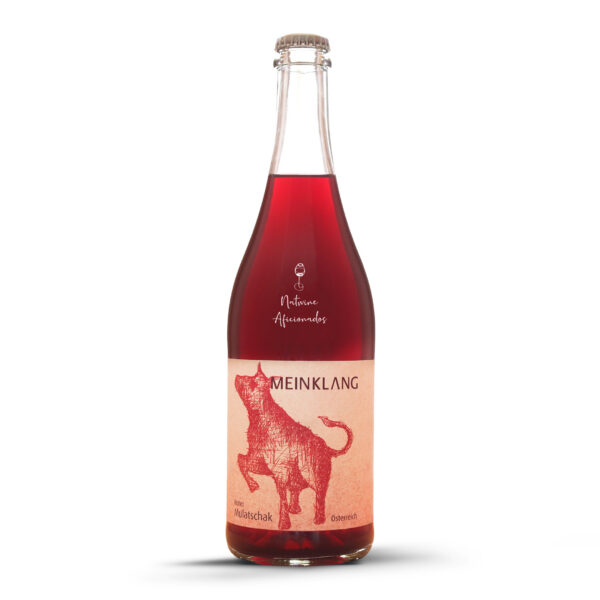
MeinKlang
Roter Mulatschak 2019
RedsBurgenland
10,00 €
Tasty and appealing. Flavors and aromas of wild fruits. Perfect to go with a snack. Chill half an hour before opening it, and serve at 12 - 14°C.
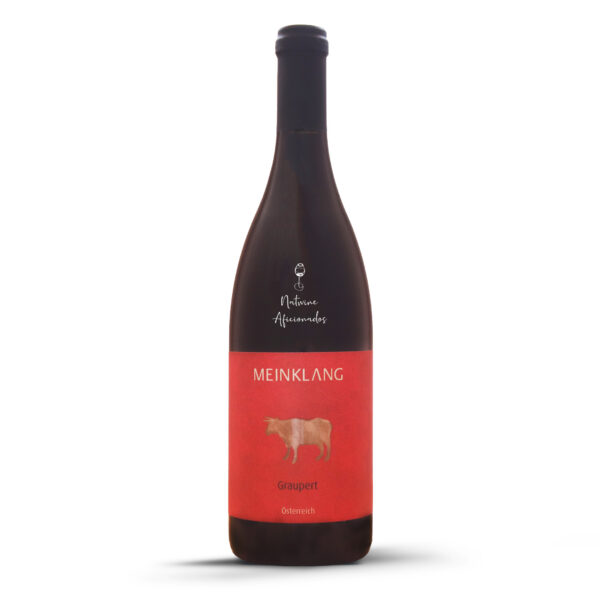
MeinKlang
Graupert Zweigelt 2017
RedsBurgenland
17,00 €
Complex, elegant, and with a long finish in the mouth. All of this is the result of a mixture of spices, balanced acidity, elegant tannins, and aromas of black fruit. It goes perfectly with beef stews.
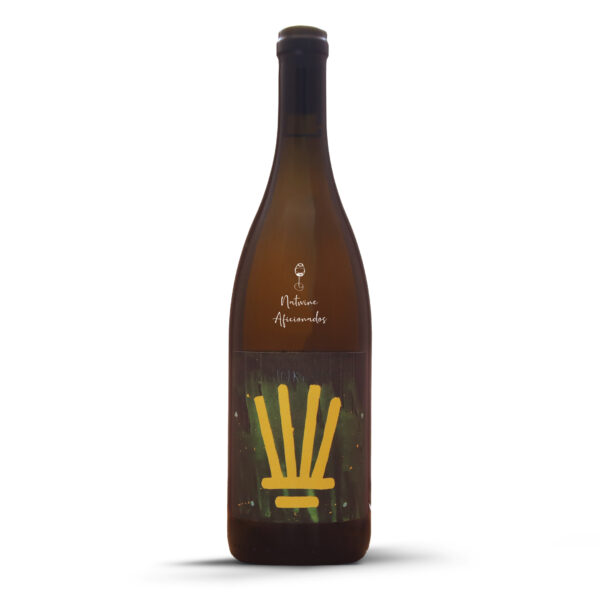
MeinKlang
Tag Edition 2 N.V.
OrangesBurgenland
25,00 €
Carbonic maceration gives this orange Grüner Veltliner a funky, vibrating, and electric character. Its elegance, minerality, and low alcohol (10,5%) makes it hard to stop drinking it.
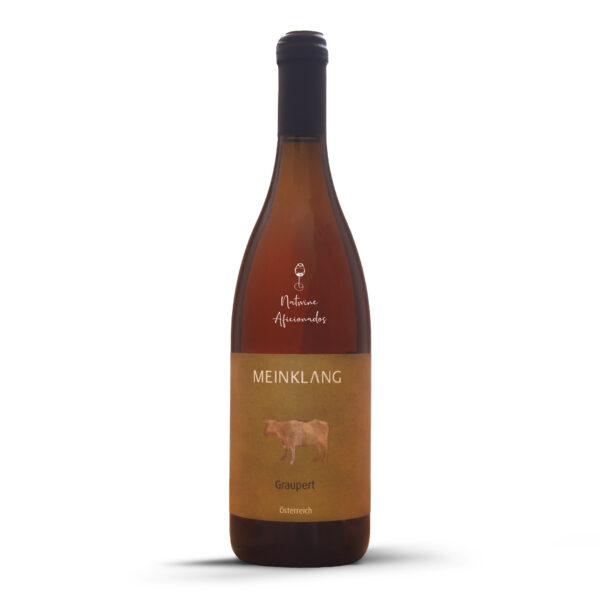
MeinKlang
Graupert Pinot Gris 2019
OrangesBurgenland
15,20 €
Complex, elegant, and with a long finish in the mouth. All of this is the result of a mixture of spices, balanced acidity, elegant tannins, and aromas of black fruit. It goes perfectly with beef stews.