



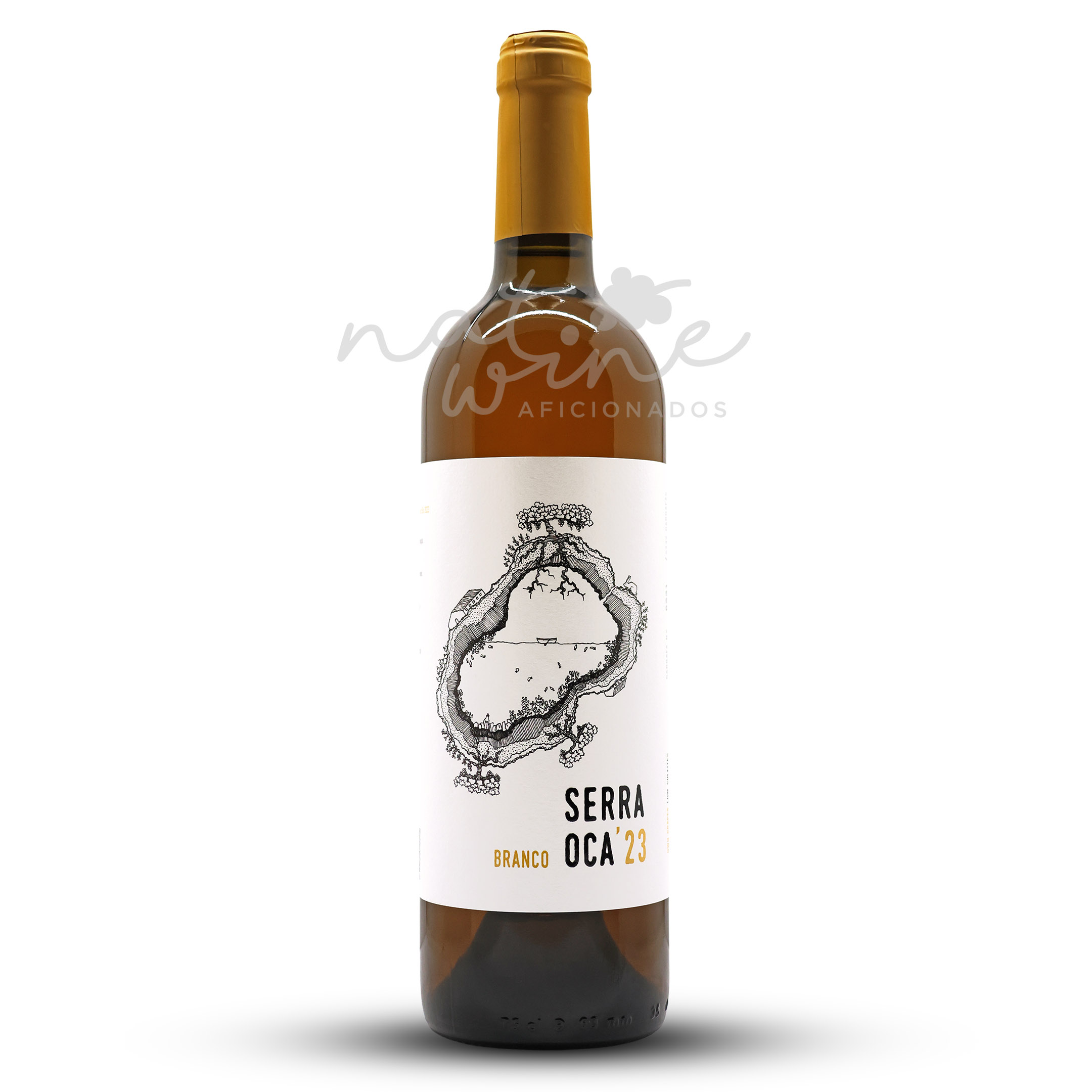
Serra Oca
Serra Oca Branco 2023
14,80 €
+0.00 pts for the Aficionados Club
Only 4 left in stock
With a golden and vibrant color, it has intense and complex aromas, with nuances of nuts, broom flower and citrus freshly picked from the tree. On the palate it reveals itself structured and with notable volume, the whole tamed by its vibrant acidity. Its long and lingering finish makes it a great companion for the table.
Technical Sheet
-
Região: Lisbon
-
Castas: 65% Fernão Pires, 35% Arinto
-
Cor / Estilo: White
-
Solo: Clay and limestone
-
Área das Vinhas: 1.79 hectares
-
Idade das Vinhas: 9 years
-
Colheita: Selected grapes, hand-harvested.
-
Vinificação: Full destemming of the clusters with crushing of the grapes, skin maceration and alcoholic fermentation in 1000-litre vats for 7 days. The 2 grape varieties were vinified separately, with spontaneous yeasts. Cap punched down manually and gently twice a day.
-
Envelhecimento: 50% in used 225-litre French oak barrels and 50% in stainless steel tank, for 10 months.
-
Colagem / Filtração: No / No
-
Adição de Sulfuroso: 26 mg/L
-
Alcohol: 13 %
-
Produção: 5,732 bottles
-
Volume: 0.75 L
Producer
Quinta da Palmirinha
Quinta da Palmirinha Loureiro 2024
11,30 €
On the nose, floral sensations, white fruit and citrus. On the palate it is refreshing, lively, with a touch of lemon. It will evolve very well in the bottle, developing even more unctuousness. Perfect for grilled fish.
Nuria Renom – Can Barceló
Parcel Tranquil 2022
15,80 €
Elegant, aromatic and dry white. With low alcohol content, it shows a delicate fruity acidity on the palate. The finish is long and persistent.
La Perdida
Malas Uvas 2023
16,40 €
On the nose, a complexity of juniper and lavender immediately stands out. Then forest aromas emerge, with hints of resin, wet leaves and herbs. Its great minerality gives it a mountain soul, invigorating, silky and captivating.
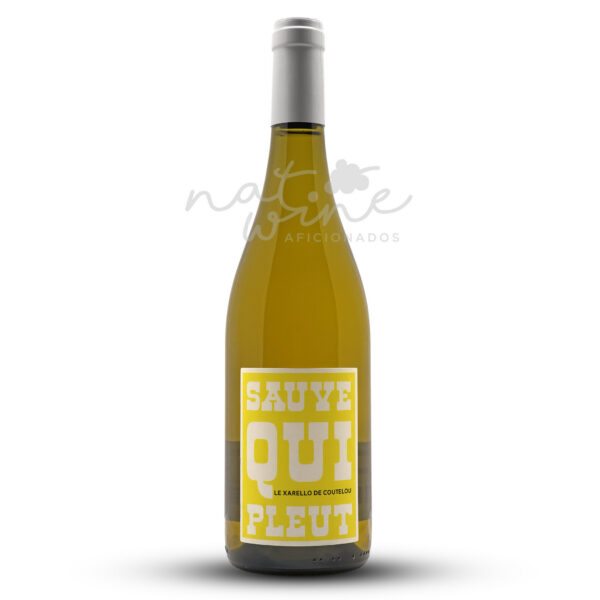
Mas Coutelou
Sauve Qui Pleut 2024
13,40 €
A white wine typical of the South, with a surprising balance between mouth volume and citrus, saline freshness. Delicious!
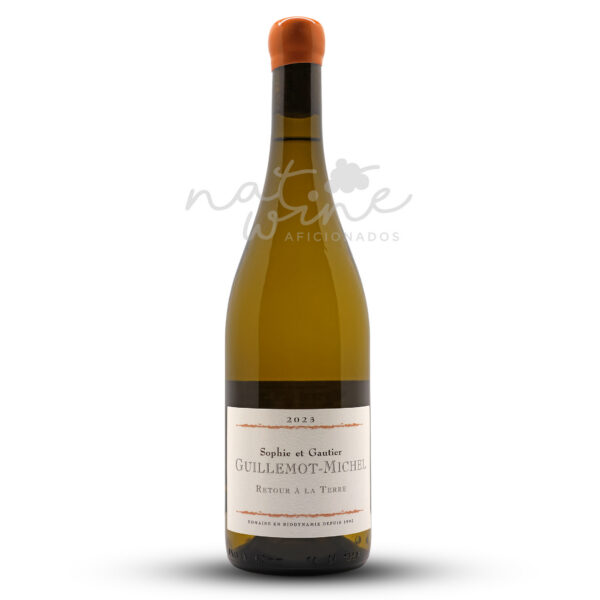
Domaine Guillemot-Michel
Retour À La Terre 2023
41,30 €
It shows notes of exotic fruit and ripe citrus. On the palate it is broad and generous, sustained by a fine acidity and a remarkable purity that give it elegance and depth, enriched by an additional dimension of expression provided by the amphora's oxygenation. It finishes long and persistent, leaving a lasting impression of freshness and sophistication.
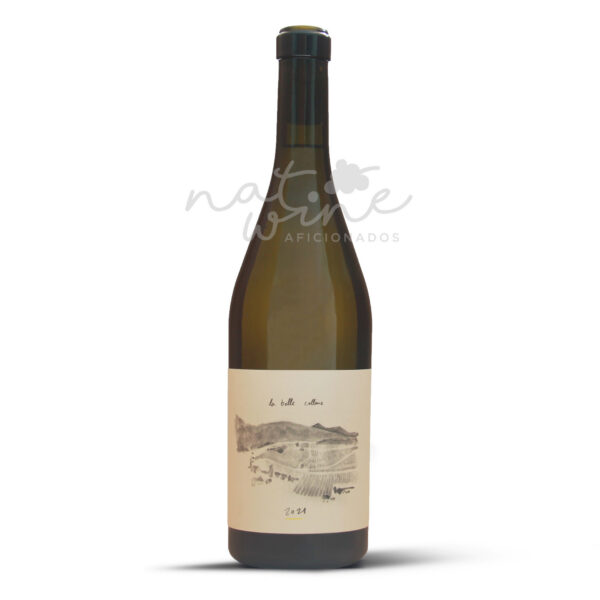
La grange de l'oncle Charles
La Belle Colline 2021
49,90 €
An enduring, austere and mineral white wine. On the palate, the lively acidity and dried-fruit notes dance in a seductive way. Deep and complex.
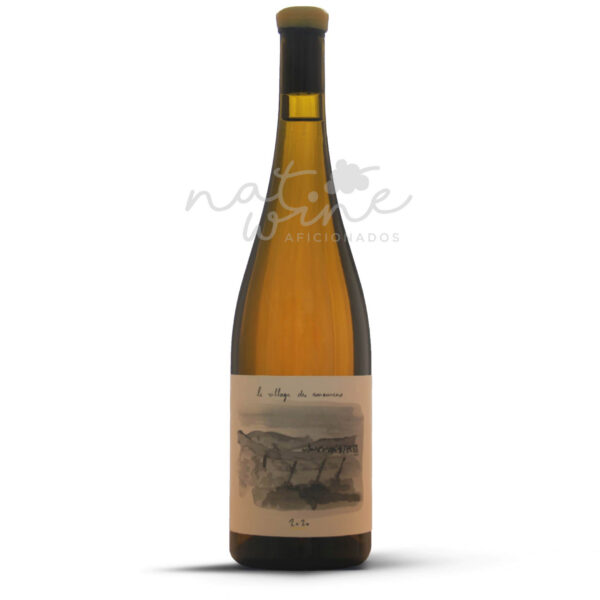
La grange de l'oncle Charles
Le Village des Amoureux 2020
27,90 €
A chiseled and grainy white wine. It reveals an incredible palette of spices!
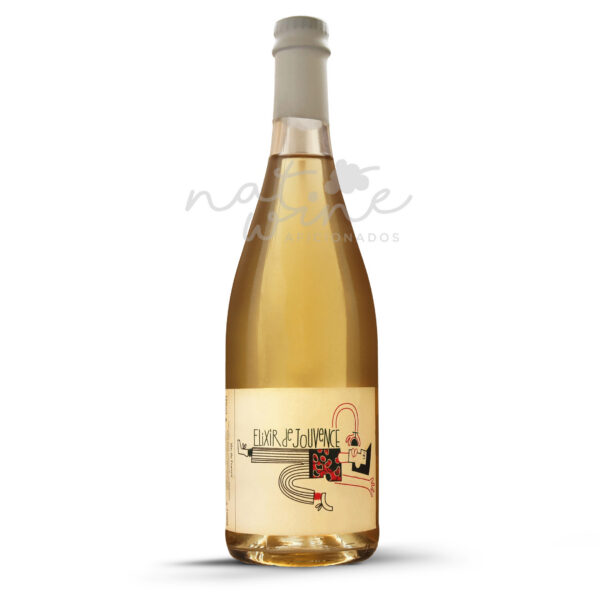
Xavier Marchais
L’ Elixir de Jouvence 2019
17,90 €
Hectic and mineral, showing on the nose aromas of lemon, quince, Spring flowers, all with an oxidative touch. In the mouth, it is alluring and all-embracing. Great aging potential.
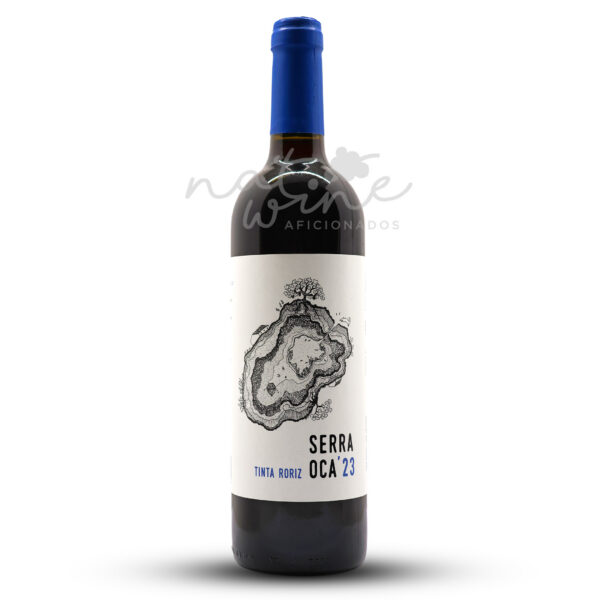
Serra Oca
Serra Oca Tinta Roriz 2023
13,80 €
A surprisingly light, fresh and food-friendly wine. Delicately and appealingly aromatic, it's on the palate that it reveals itself as almost addictive. A vibrant and balsamic finish.
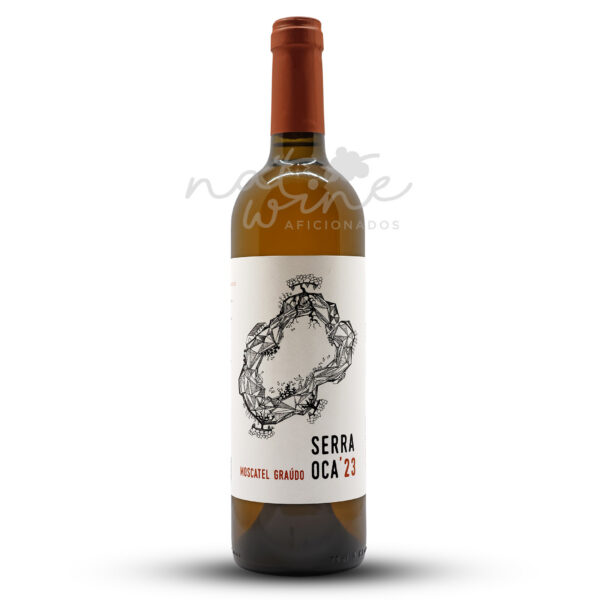
Serra Oca
Serra Oca Moscatel Graúdo 2023
13,90 €
Attractive straw-yellow color. On the nose, floral notes of white roses and honey, wrapped in subtle fresh mint aromas. On the palate it reveals good structure, good volume and a lively freshness! Excellent pairing for spiced dishes, such as Asian cuisine.
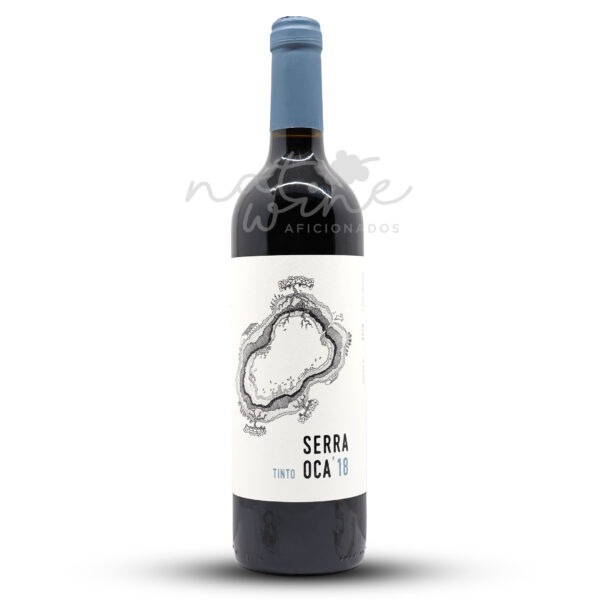
Serra Oca
Serra Oca Tinto 2018
14,80 €
A classic-profile red wine. The nose reveals complex notes of wild black fruit and fresh aromatic herbs. The polished tannins, balanced by excellent acidity, make this red an excellent companion for the table.
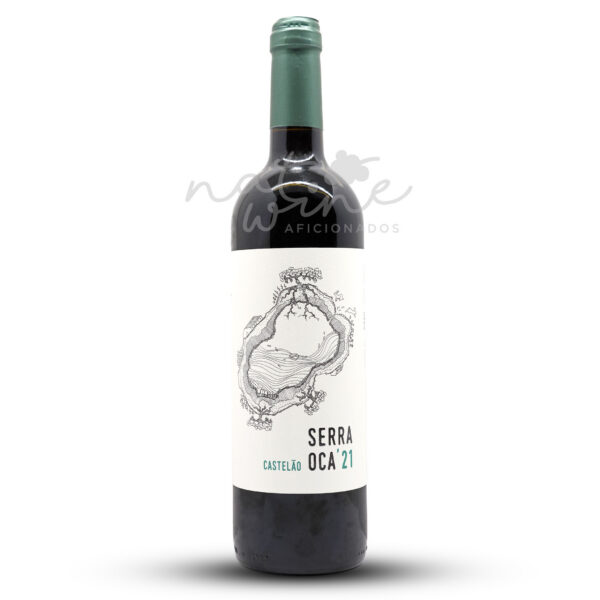
Serra Oca
Serra Oca Castelão 2022
13,50 €
It's a fresh and vibrant Castelão! Vivid ruby color. On the nose it reveals aromas of stone red fruit and mint. On the palate it is balsamic, with an excellent balance between tannins and acidity. The finish is long and pleasurable.
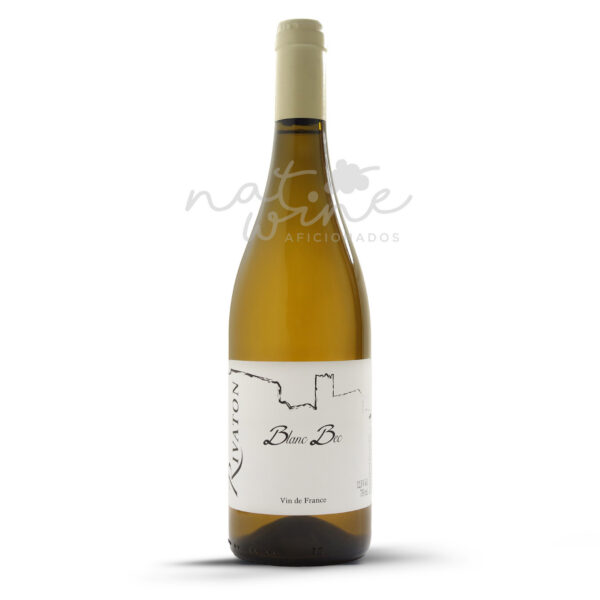
Domaine Rivaton
Blanc Bec 2019
16,80 €
A triumvirate of white grapes from the south of France farmed from 60 to 100-year-old vineyards. At this moment, it shows the balance, complexity, and nuances of wild fruit and wildflowers. It will certainly benefit from aging.
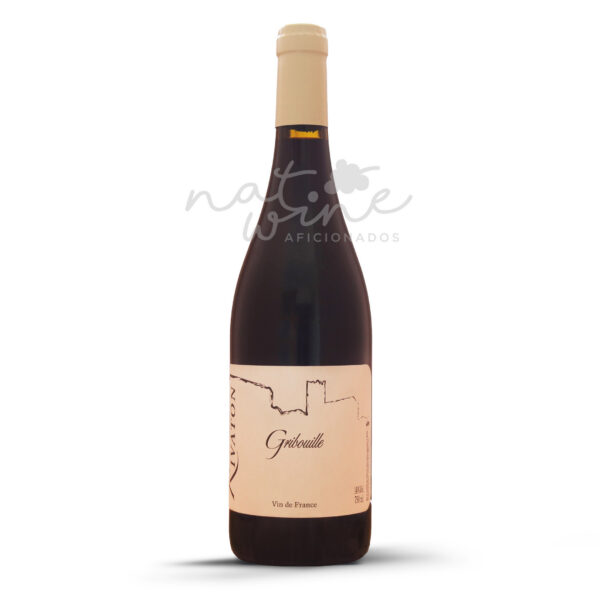
Domaine Rivaton
Gribouille 2015
16,60 €
Exhibiting a well-structured freshness, combined with spicy tones. It’s deep and tasty in the mouth, and it will evolve in the bottle over time, in case one resists opening it right now. It is, indisputably, a highly gastronomic wine.
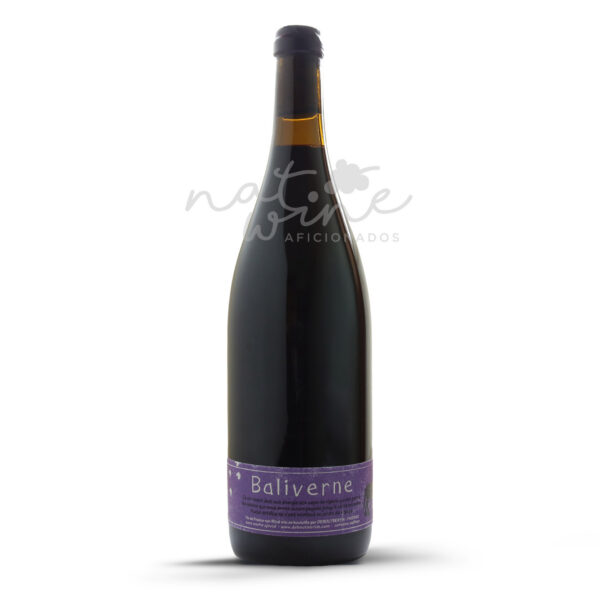
Deboutbertin
Baliverne 2019
20,90 €
Dark-hued Grolleau, sourced from a small parcel of schist and quartz. Rebellious character, and rustic on the nose. In the mouth, it reveals nuances of dark fruit and a kind of acidity that confers the wine an irresistible balance. Gastronomic wine. Serve a bit chilled.
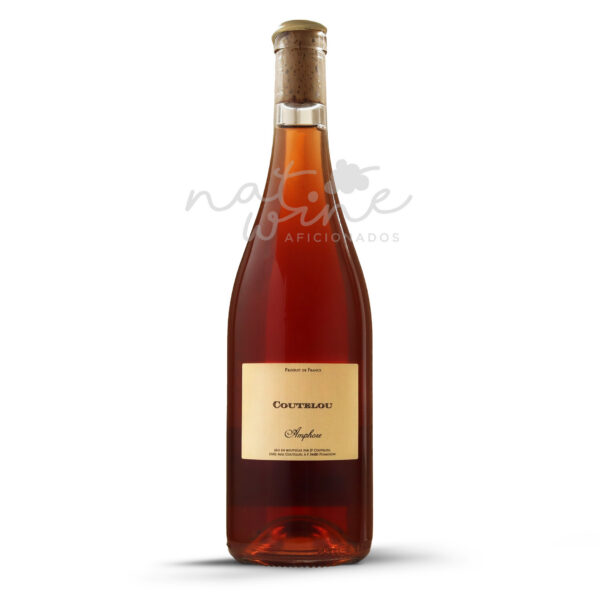
Mas Coutelou
Amphore Métissée 2019
21,80 €
Red grapes are vinified as white wine. Aged in amphora, it will definitely last many years in the bottle. Decant it, if you can’t resist opening it now.
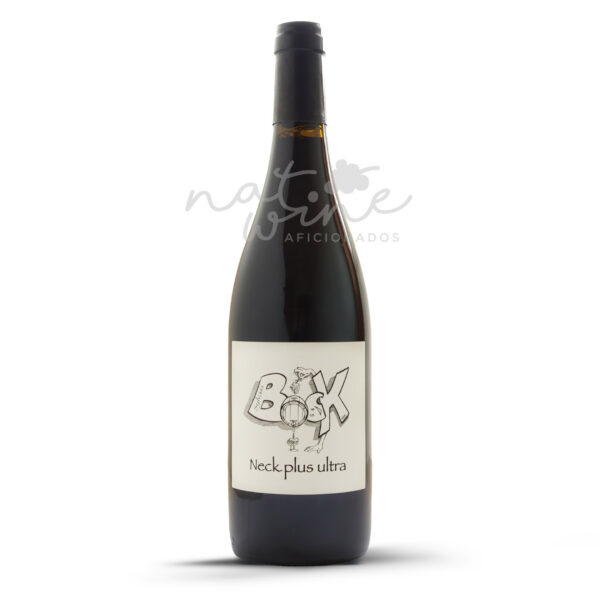
Sylvain Bock
Neck Plus Ultra 2019
18,90 €
Full-bodied, deep, robust red, distinguished by spicy notes. To drink now, although it will reward those who are willing to keep it for a couple of years.
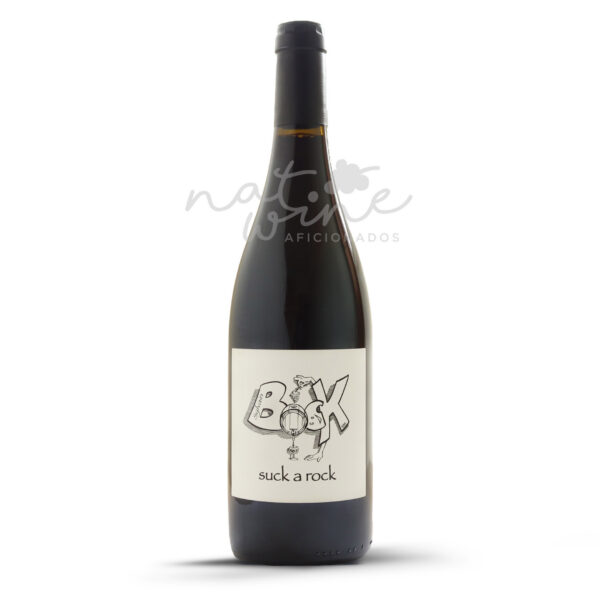
Sylvain Bock
Suck a Rock 2019
18,60 €
Enjoyable and agreeable to drink. Notes of violet, nuanced by the freshness and balance, are the main components of the whole wine.
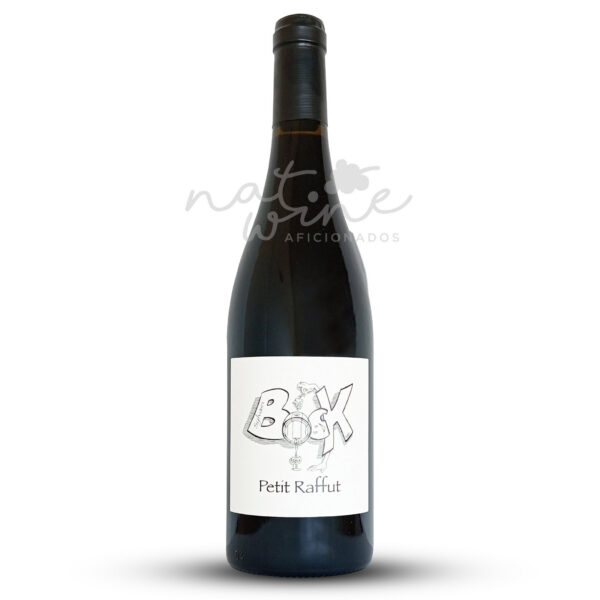
Sylvain Bock
Petit Raffut 2022
14,60 €
This wine combines drive and delicacy. Full of energy, with elegant tannins and a captivating freshness.
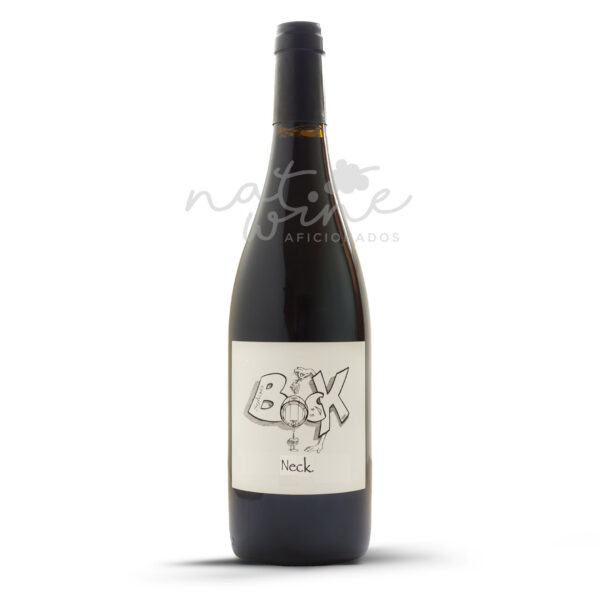
Sylvain Bock
Neck 2022
13,90 €
Its excellent acidity paired with vibrant black fruit forms an elegant whole. It's a deep, dry wine. Decanting is recommended.