



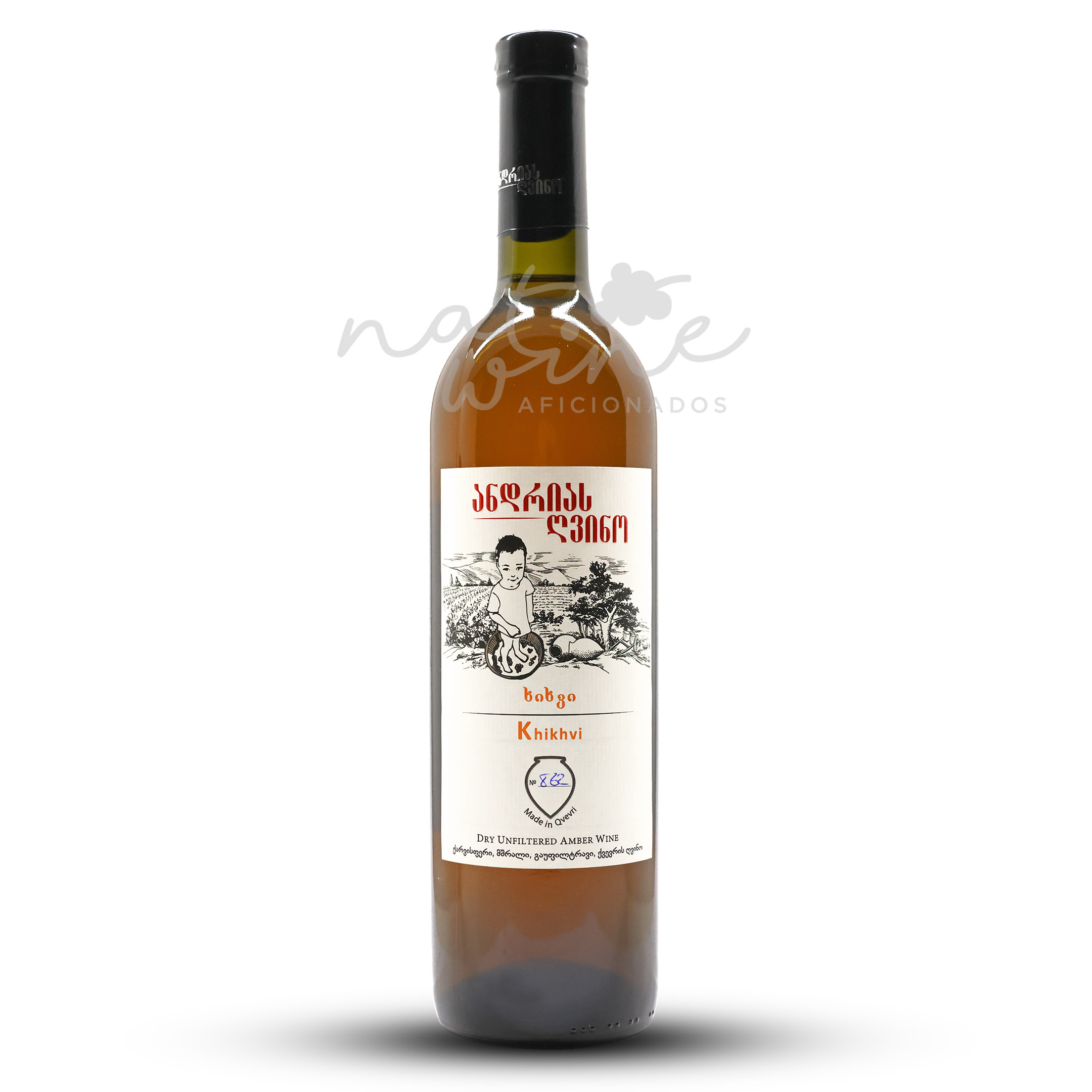
Andrias Gvino
Khikhvi 2022
21,10 €
+0.00 pts for the Aficionados Club
In stock
It presents a deep amber colour. On the nose, it reveals aromas of ripe fresh fruit and dried fruit. On the palate, it is harmonious and balanced. Excellent with Asian cuisine dishes. Serve at a temperature between 14–16°C.
Technical Sheet
-
Região: Kakheti
-
Castas: Khikhvi
-
Cor / Estilo: Orange
-
Solo: Gravel. Located in Akhmeta.
-
Área das Vinhas: 2 hectares.
-
Idade das Vinhas: 65 years.
-
Colheita: Hand-harvested.
-
Vinificação: The grapes are destemmed and spontaneous fermentation takes place through the action of indigenous yeasts. Macerated with the skins for 6 days.
-
Envelhecimento: 1 year in qvevri, 1 year in bottle.
-
Colagem / Filtração: No / No
-
Adição de Sulfuroso: 26 mg/L
-
Alcohol: 13 %
-
Produção: 2300 bottles
-
Volume: 0.75 L
Producer
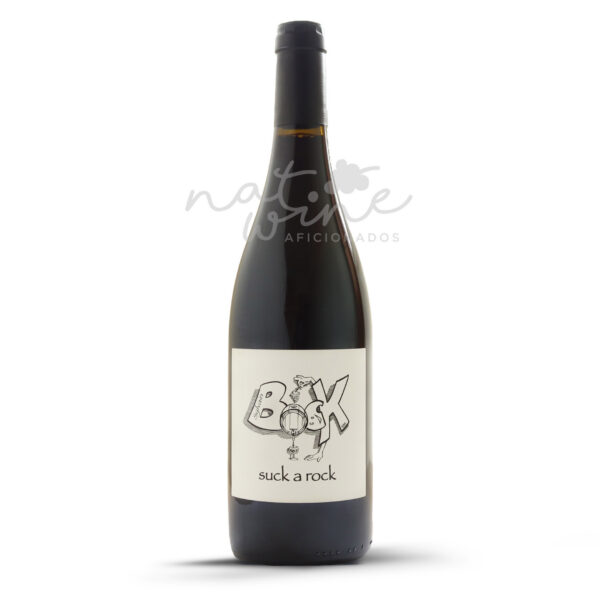
Sylvain Bock
Suck a Rock 2019
18,60 €
Enjoyable and agreeable to drink. Notes of violet, nuanced by the freshness and balance, are the main components of the whole wine.
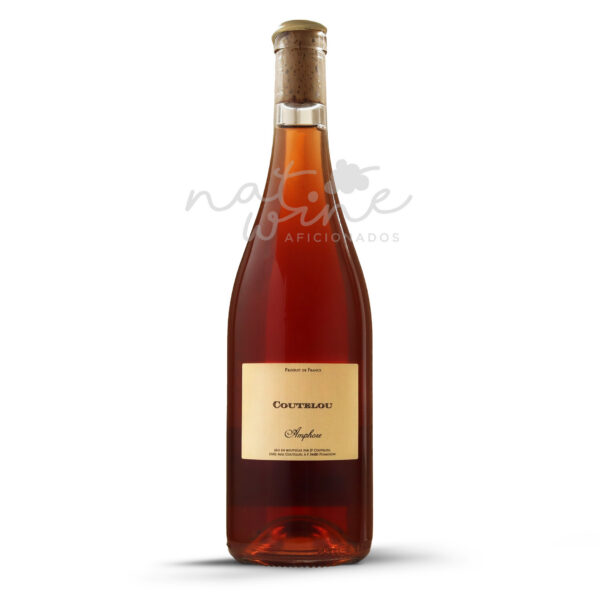
Mas Coutelou
Amphore Métissée 2019
21,80 €
Red grapes are vinified as white wine. Aged in amphora, it will definitely last many years in the bottle. Decant it, if you can’t resist opening it now.
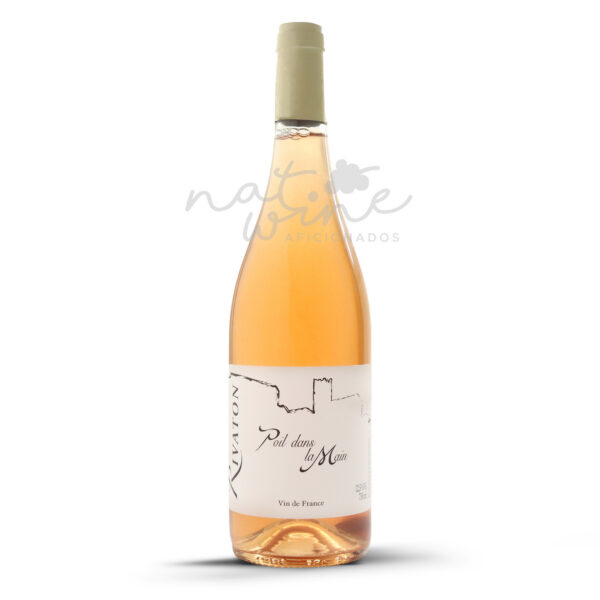
Domaine Rivaton
Poil Dans La Main 2022
11,60 €
A gastronomic rosé, appealing and fresh. Excellent as an aperitif. Great value for money.
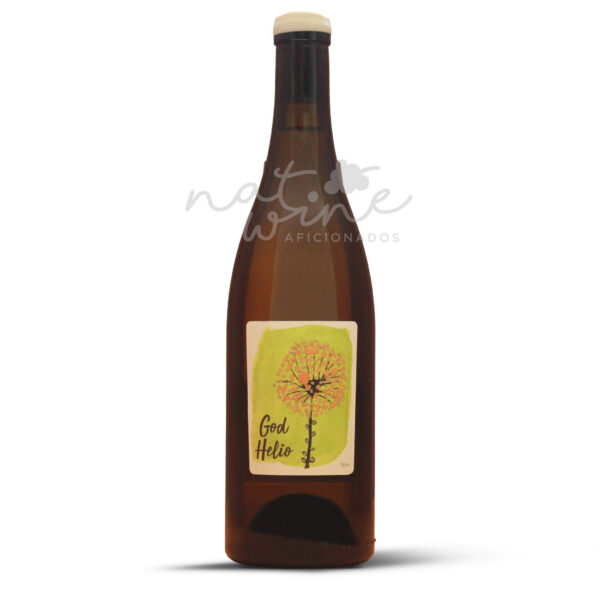
Microbodega Del Alumbro
God Helio 2021
14,50 €
A seductive, dry and youthful white wine. An excellent companion for the table.
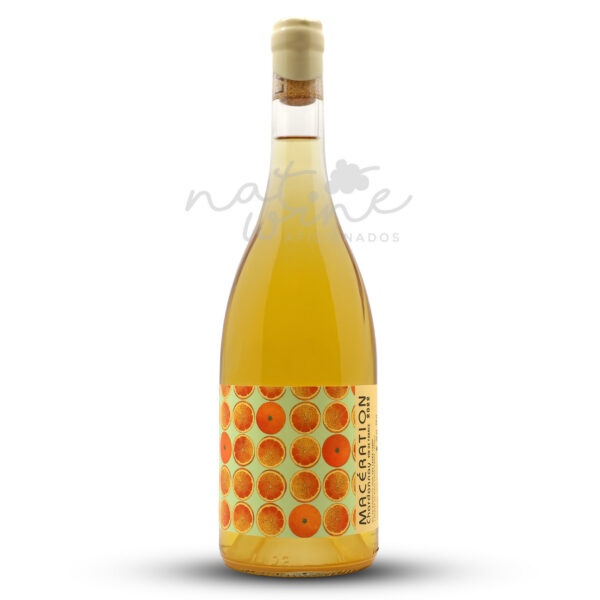
Laura Lardy
Macération Chardonnay 2022
29,90 €
Deep, aromatic and complex. Notes of tropical fruits, flowers, orange and pear. Round, with elegant and subtle tannins. It's a superb wine!
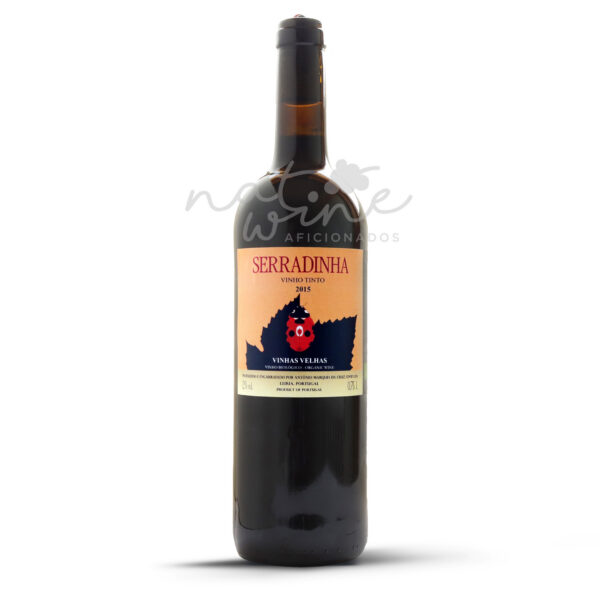
Quinta da Serradinha
Serradinha Vinhas Velhas 2015
28,80 €
One of Portugal's great red wines! With a truly Atlantic character. Complex on the nose, complex on the palate. The finish is truly impressive. Rather than reading about it, this wine should be drunk alongside a roast from the oven.
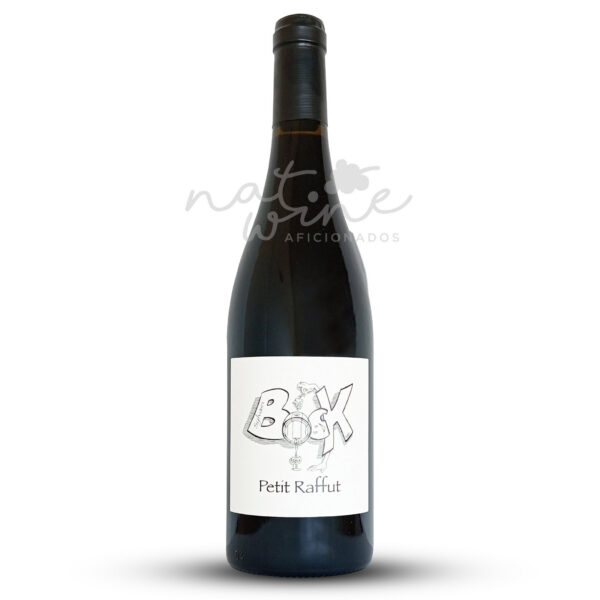
Sylvain Bock
Petit Raffut 2022
14,60 €
This wine combines drive and delicacy. Full of energy, with elegant tannins and a captivating freshness.
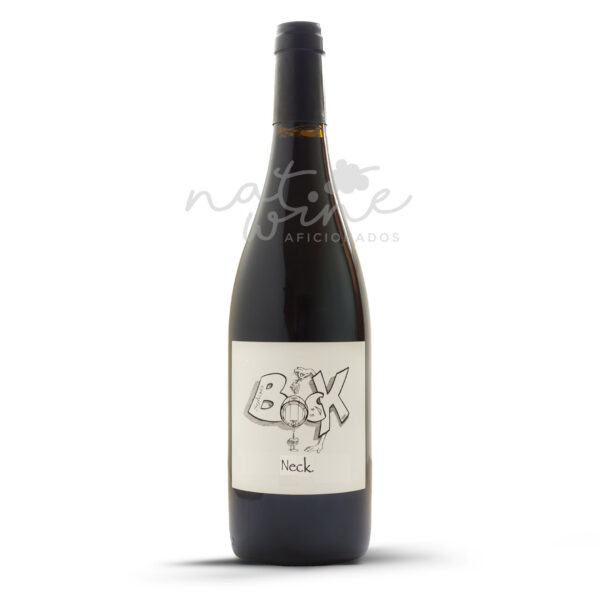
Sylvain Bock
Neck 2022
13,90 €
Its excellent acidity paired with vibrant black fruit forms an elegant whole. It's a deep, dry wine. Decanting is recommended.

Andrias Gvino
Tsolikauri 2021
19,30 €
Aromas of spices and ginger. On the palate it reveals floral notes, white and yellow fruits. With good mouth volume, well balanced by its refined acidity and bitterness. Long and persistent finish. Serve at a temperature between 14–16°C.
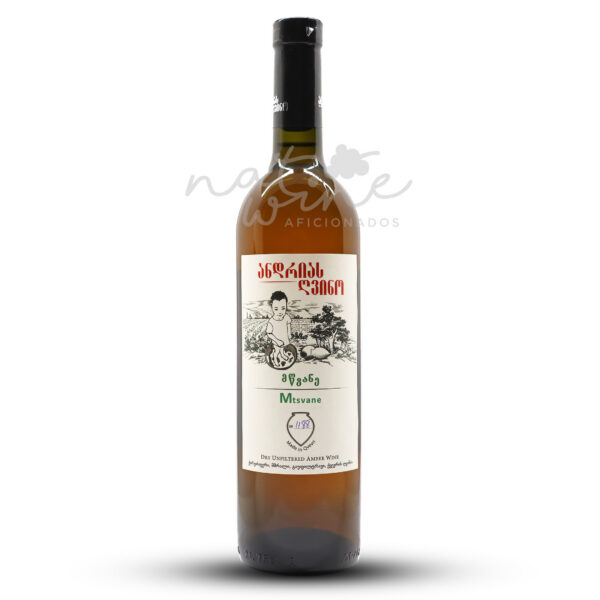
Andrias Gvino
Mtsvane 2022
21,30 €
Deep amber in colour, the nose reveals a fine structure of floral perfumes. On the palate, it shows crisp and expansive, with citrus tones complemented by pear and tropical fruit. Serve at a temperature between 14–16°C.
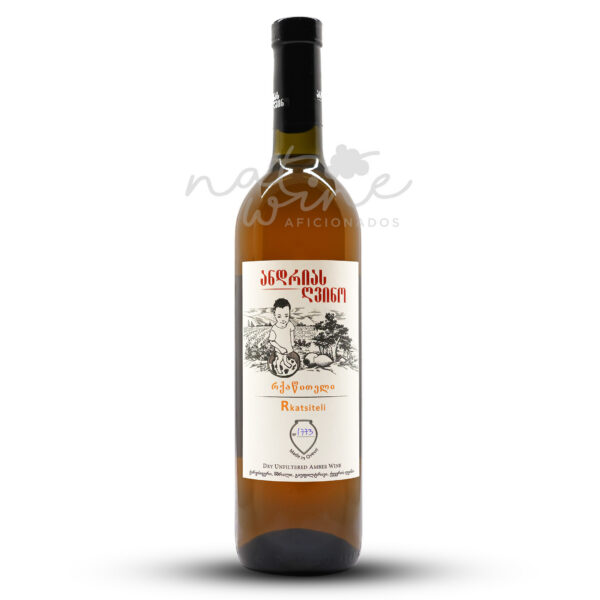
Andrias Gvino
Rkatsiteli 2022
20,90 €
It is characterised by complex, vibrant aromas, with a long finish, yet at the same time very balanced, with round tannins and well-formed acidity. Serve at a temperature between 12–14°C.
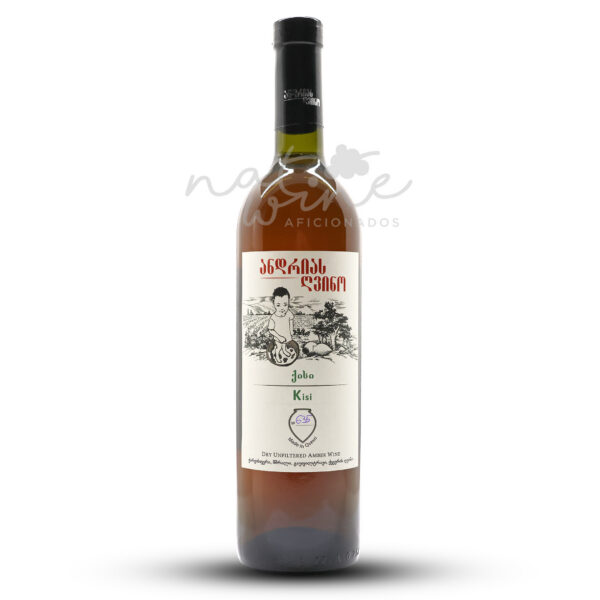
Andrias Gvino
Kisi 2022
21,50 €
The eye is immediately drawn to the exuberance of the amber colour. On the nose, there's an evident exotic perfume of flowers and stone fruit. On the palate, it is tense and moreish. Hard to stop drinking. Serve at a temperature between 14–16°C.
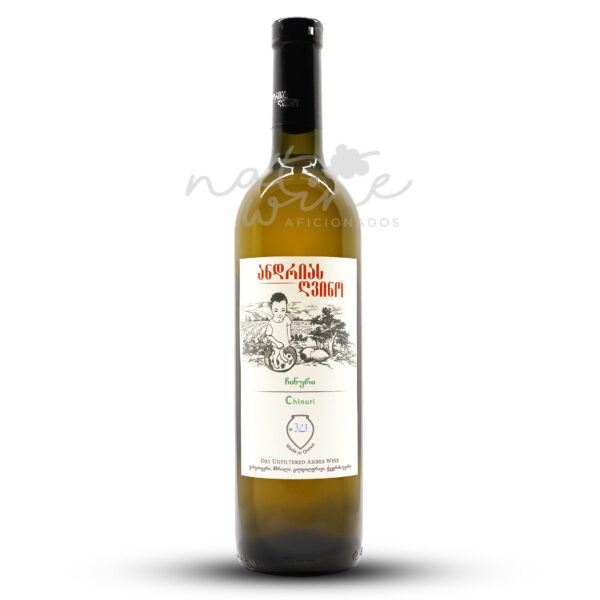
Andrias Gvino
Chinuri 2022
20,70 €
On the palate, the embrace of humus stands out immediately, joined by hints of apple, pear and even mint. Pleasantly fresh, pure and with a captivating acidity that pairs perfectly with the effervescence of the tannins. Serve at a temperature between 8–10°C.
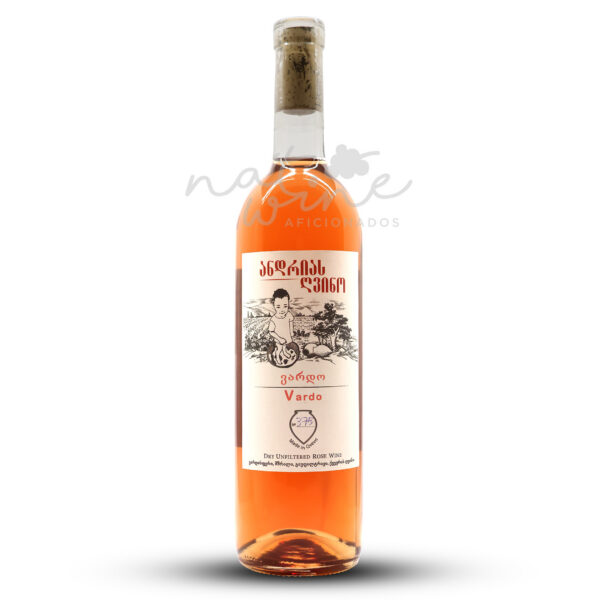
Andrias Gvino
Vardo 2023
21,90 €
A highly gastronomic Rosé, tense and dry. It displays aromatic tones of raisins, apricot and dried fig.

Andrias Gvino
Saperavi 2022
20,40 €
It presents a deep, penetrating dark colour. On the nose, it is intensely perfumed, with nuances of black cherry, plum and red fruits. In terms of flavour, it has tannins balanced by notes of pepper and juniper. A highly gastronomic red.
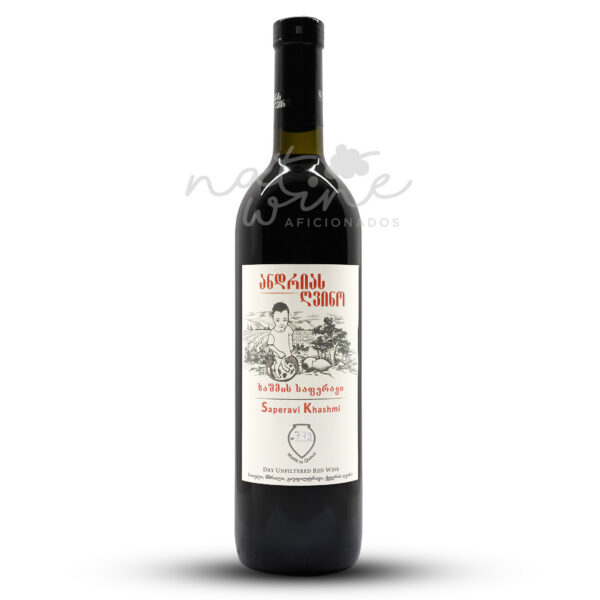
Andrias Gvino
Saperavi Khashmi 2022
19,90 €
Intense red, well-defined tannins, pronounced acidity, good mouth volume, very intense colour. It shows flavours of plums, cherry, blackberries and also spices. Pairs well with roasted meats, barbecue, spicy food and hard and semi-hard cheeses.
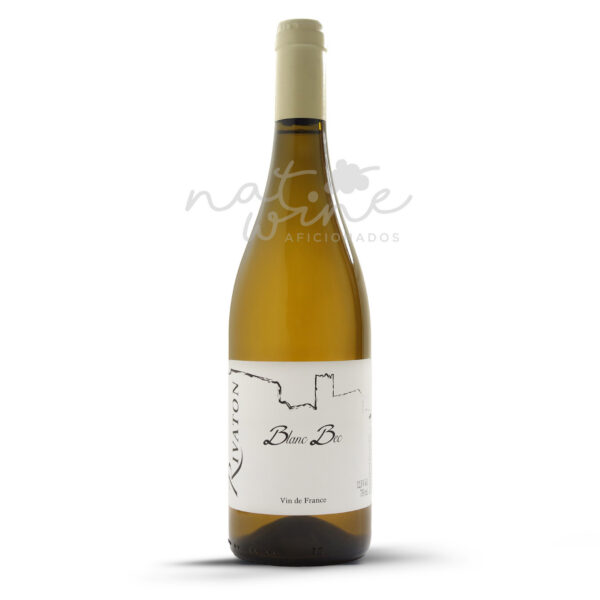
Domaine Rivaton
Blanc Bec 2019
16,80 €
A triumvirate of white grapes from the south of France farmed from 60 to 100-year-old vineyards. At this moment, it shows the balance, complexity, and nuances of wild fruit and wildflowers. It will certainly benefit from aging.
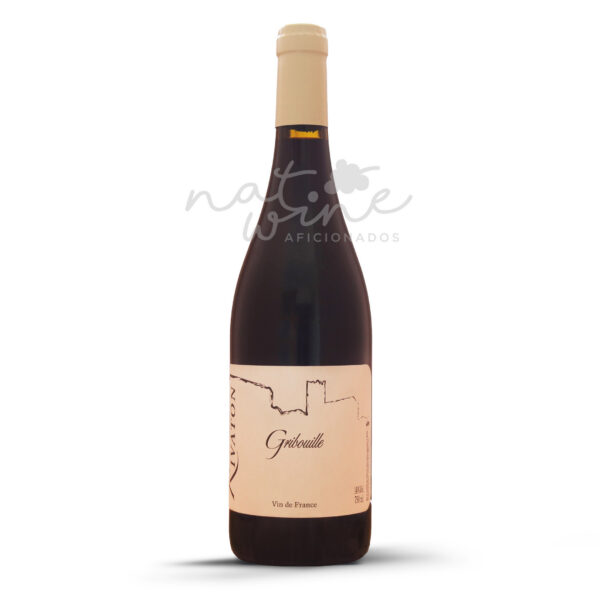
Domaine Rivaton
Gribouille 2015
16,60 €
Exhibiting a well-structured freshness, combined with spicy tones. It’s deep and tasty in the mouth, and it will evolve in the bottle over time, in case one resists opening it right now. It is, indisputably, a highly gastronomic wine.
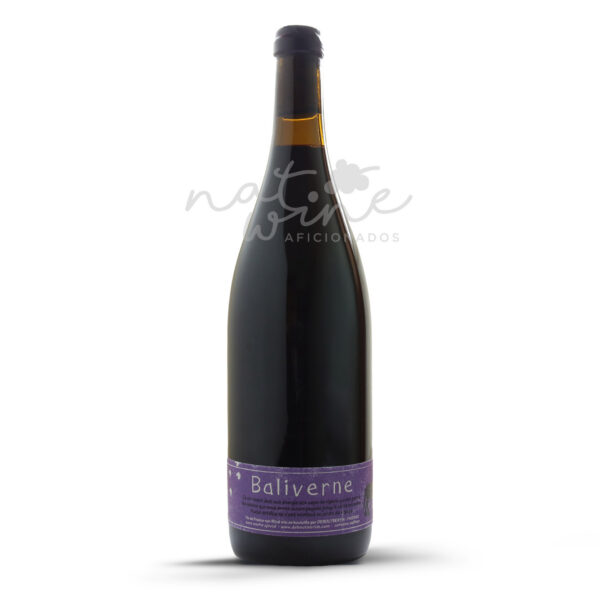
Deboutbertin
Baliverne 2019
20,90 €
Dark-hued Grolleau, sourced from a small parcel of schist and quartz. Rebellious character, and rustic on the nose. In the mouth, it reveals nuances of dark fruit and a kind of acidity that confers the wine an irresistible balance. Gastronomic wine. Serve a bit chilled.
Mas Coutelou
Amphore Métissée 2019
21,80 €
Red grapes are vinified as white wine. Aged in amphora, it will definitely last many years in the bottle. Decant it, if you can’t resist opening it now.
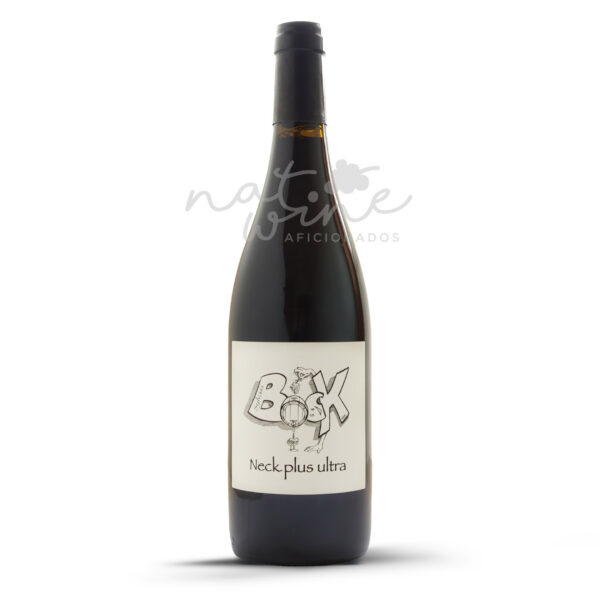
Sylvain Bock
Neck Plus Ultra 2019
18,90 €
Full-bodied, deep, robust red, distinguished by spicy notes. To drink now, although it will reward those who are willing to keep it for a couple of years.
Sylvain Bock
Suck a Rock 2019
18,60 €
Enjoyable and agreeable to drink. Notes of violet, nuanced by the freshness and balance, are the main components of the whole wine.
Sylvain Bock
Petit Raffut 2022
14,60 €
This wine combines drive and delicacy. Full of energy, with elegant tannins and a captivating freshness.
Sylvain Bock
Neck 2022
13,90 €
Its excellent acidity paired with vibrant black fruit forms an elegant whole. It's a deep, dry wine. Decanting is recommended.