



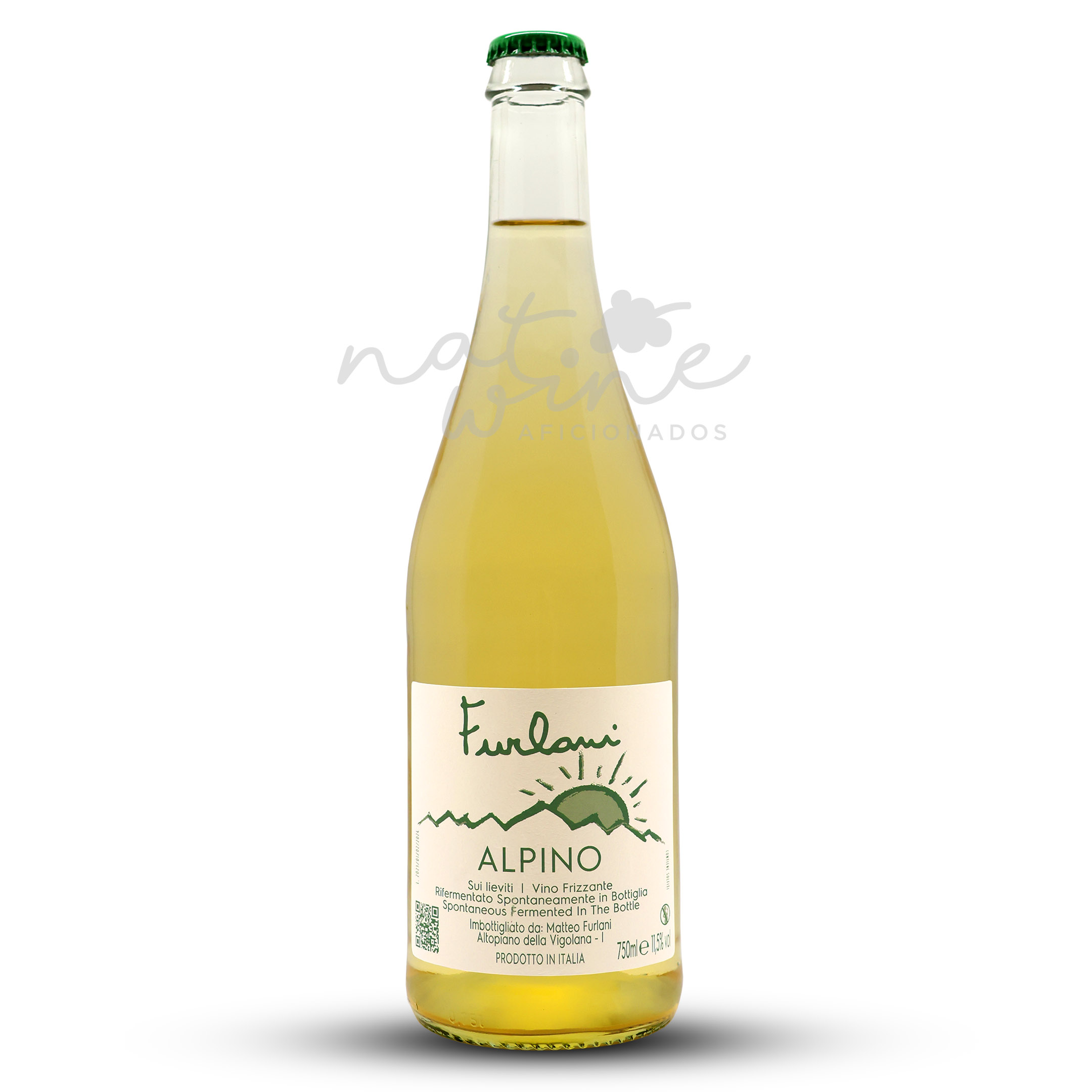
Cantina Furlani
Alpino 2023
13,90 €
+0.00 pts for the Aficionados Club
In stock
An arrow straight to the heart! Elegant, creamy bubbles. With aromas of lemon zest and fresh herbs. On the palate, it alternates between sweet and bitter notes. Dry finish. A thoroughly playful wine! Perfect served with appetizers, between 8 – 10°C.
Technical Sheet
-
Região: Trentino
-
Castas: Lagarino Bianco, Verde Erbara, Nosiola
-
Cor / Estilo: White / Pétillant Naturel
-
Solo: Dolomitic rock, light-coloured and rich in calcium and magnesium, with dark soil from slow decomposition.
-
Área das Vinhas: 6 hectares
-
Idade das Vinhas: 30 years
-
Colheita: Hand-harvested, in small crates, carried out in August and September.
-
Vinificação: Spontaneous fermentation takes place in steel tank, without added yeasts and without the addition of any chemical products.
-
Envelhecimento: Natural refermentation in bottle, without added sugar.
-
Colagem / Filtração: No / No
-
Adição de Sulfuroso: 0 mg/L
-
Alcohol: 11.5 %
-
Volume: 0.75 L
Producer
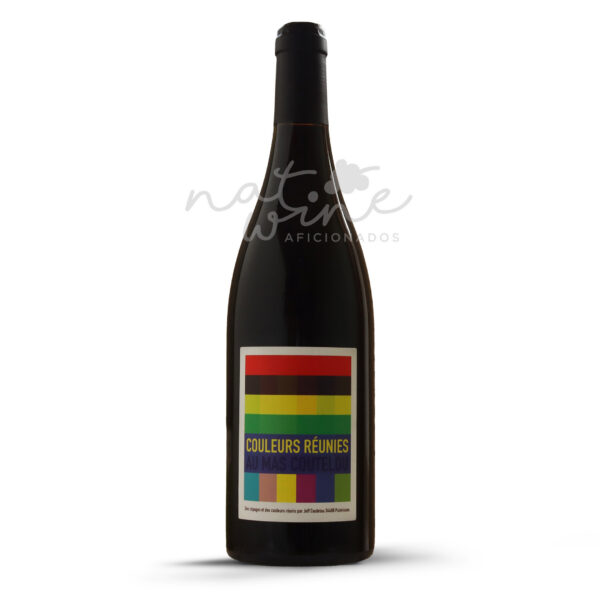
Mas Coutelou
Couleurs Réunies 2022
13,80 €
About 20 varieties, white and red, brought together in a single wine. Full-bodied, yet with freshness and complexity. Decanting is a good option.
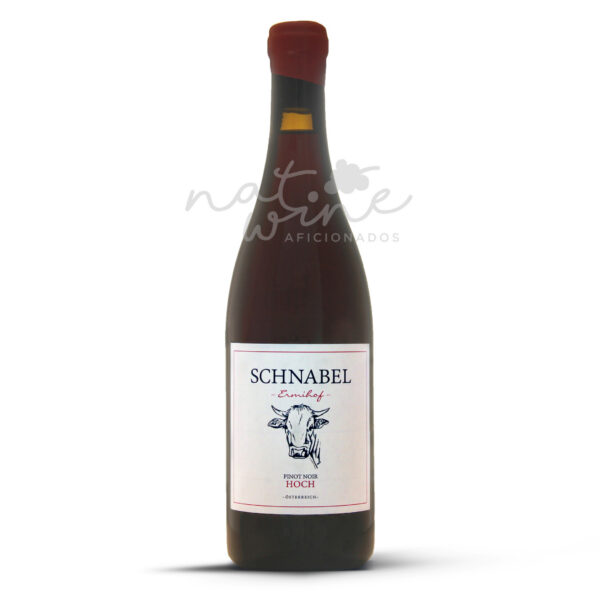
Weingut Karl Schnabel
Pinot Noir Hochegg 2021
37,90 €
This magical Pinot Noir from the Hochegg vineyard captivates with its elegance, depth and liveliness, which, combined with the stony, spicy minerality of the Sausal soil, fascinate whoever tastes it.
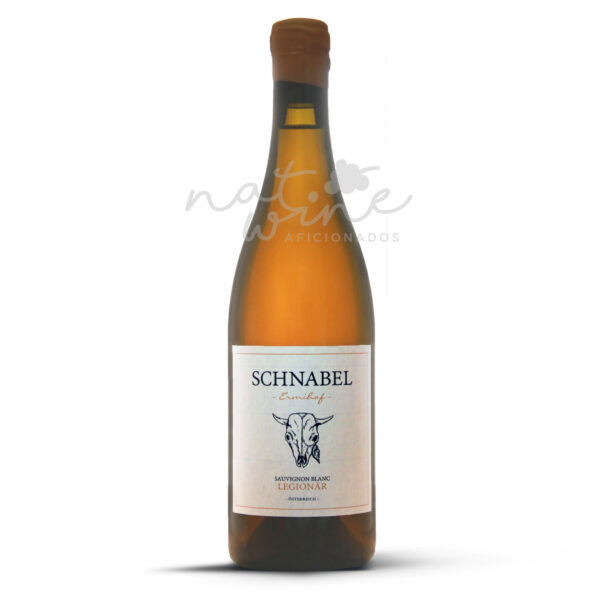
Weingut Karl Schnabel
Sauvignon Blanc Legionär 2021
35,90 €
This Sauvignon Blanc is fermented with skin contact. It is characterised by an interplay of fruity and herbaceous notes. Tannins envelop this highly complex orange wine, giving it a wonderful velvety touch.
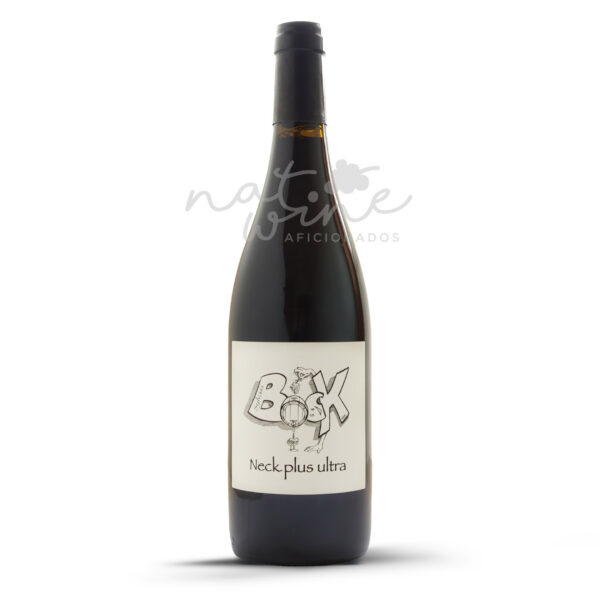
Sylvain Bock
Neck Plus Ultra 2019
18,90 €
Full-bodied, deep, robust red, distinguished by spicy notes. To drink now, although it will reward those who are willing to keep it for a couple of years.
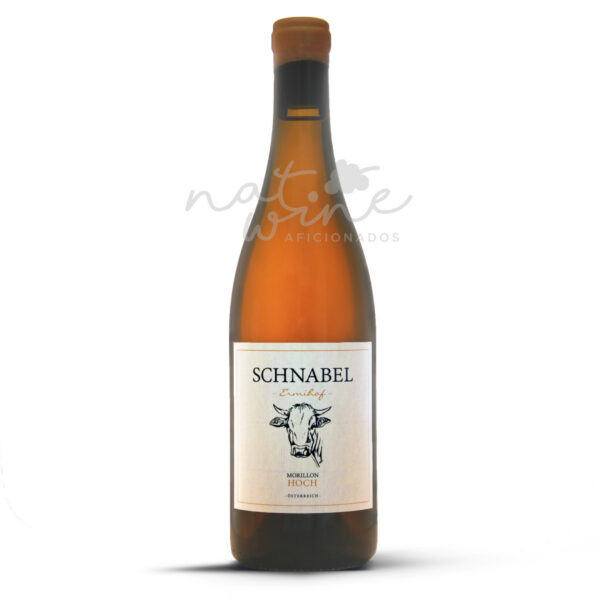
Weingut Karl Schnabel
Morillon Hochegg 2021
36,90 €
Chardonnay, also called Morillon in Styria, is fermented with skin contact. This wine reveals the exciting sides of this immensely complex grape variety. It shines like a basket of exotic fruit and has a fine, creamy, elegant structure, underscored by the stony, saline notes of the Hochegg vineyard.
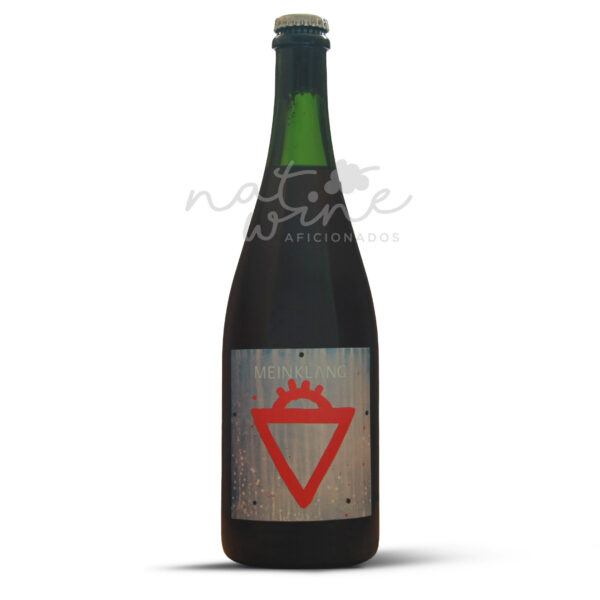
MeinKlang
Morgen Edition 3 N.V.
25,00 €
A rosé with a very light effervescence. On the nose, aromas of wild strawberries and redcurrant. Had a tough day at work? Open it in the early evening, between 10–12°C, and see how the vibrant acidity of the Sankt Laurent grape brings a boost of mood and energy!
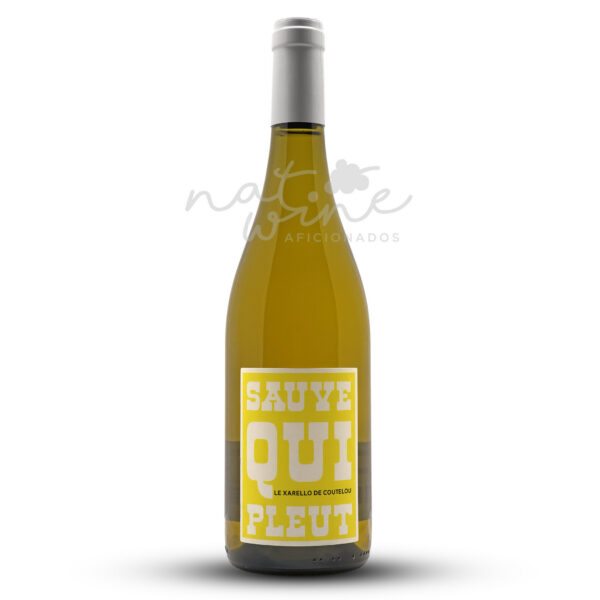
Mas Coutelou
Sauve Qui Pleut 2024
13,40 €
A white wine typical of the South, with a surprising balance between mouth volume and citrus, saline freshness. Delicious!
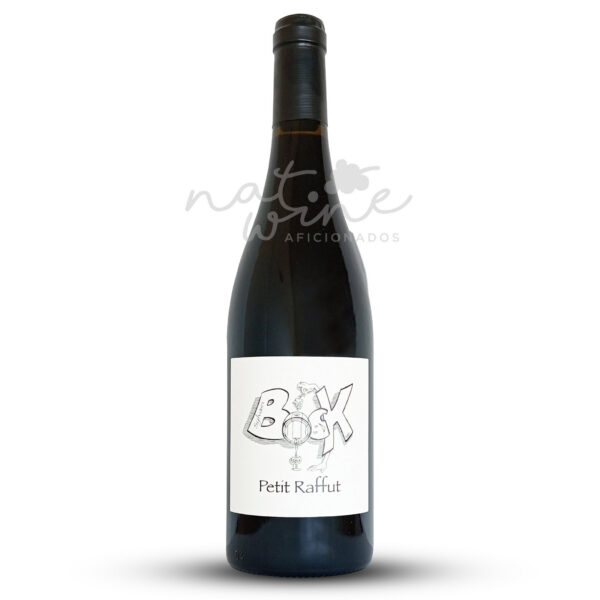
Sylvain Bock
Petit Raffut 2022
14,60 €
This wine combines drive and delicacy. Full of energy, with elegant tannins and a captivating freshness.
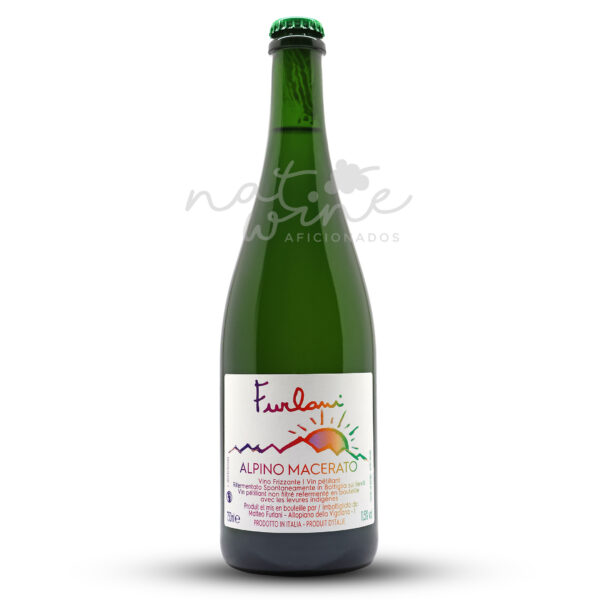
Cantina Furlani
Alpino Macerato 2023
13,90 €
Delicate on the nose, with light and creamy bubbles on the palate. Great freshness, with notes of already ripe fruit. Extremely easy to drink. Serve between 8 – 10°C.
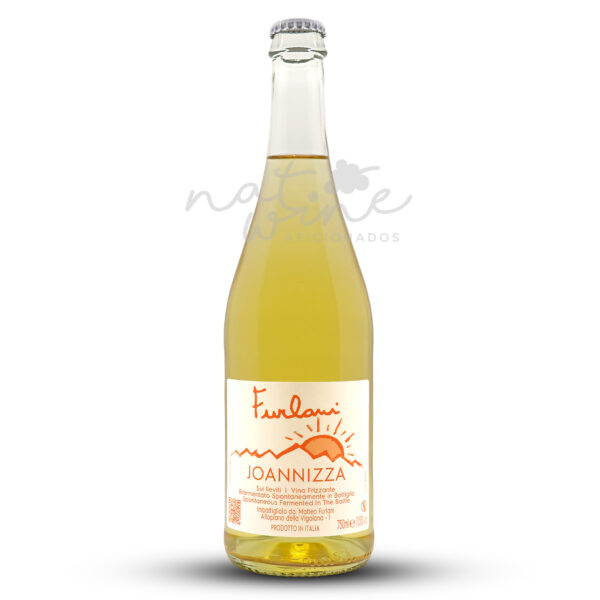
Cantina Furlani
Joannizza 2023
14,90 €
100% Joannizza! A rare grape variety, resistant to the Trentino climate. Citrus and chamomile notes. Captivating! Serve between 8 – 10°C.
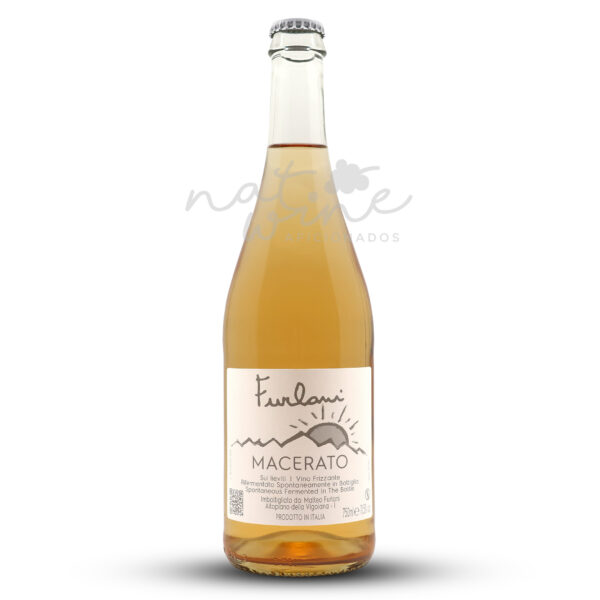
Cantina Furlani
Macerato 2023
14,90 €
With aromas of grapefruit and wildflowers. It's impressive how quickly this wine drinks away! On the palate, it is crisp and fresh. Serve between 8 – 10°C.
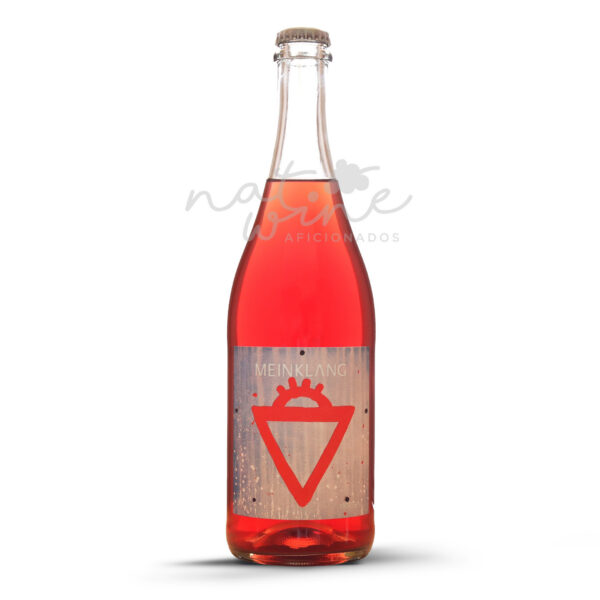
MeinKlang
Morgen Edition 2 N.V.
25,00 €
With a light effervescence, this rosé reveals in the nose aromas of wild strawberry and current. Did you have a busy day? Open this wine in the evening, serve it at 10 - 12°C, and you’ll see how the active acidity of the grape Sankt Laurent will provide you with moments of good mood and liveliness.
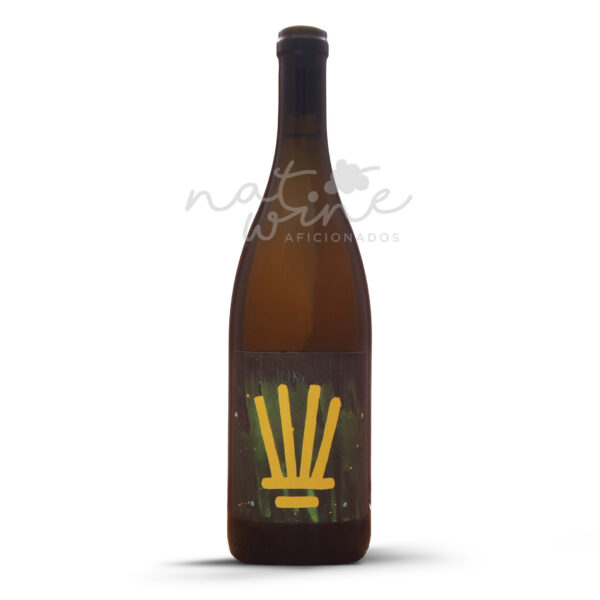
MeinKlang
Tag Edition 3 N.V.
25,00 €
The carbonic maceration of this macerated Grüner Veltliner reveals a funky, vibrant, electric side. Its elegance, minerality and low alcohol content (10.5%) make it a real challenge to stop drinking.
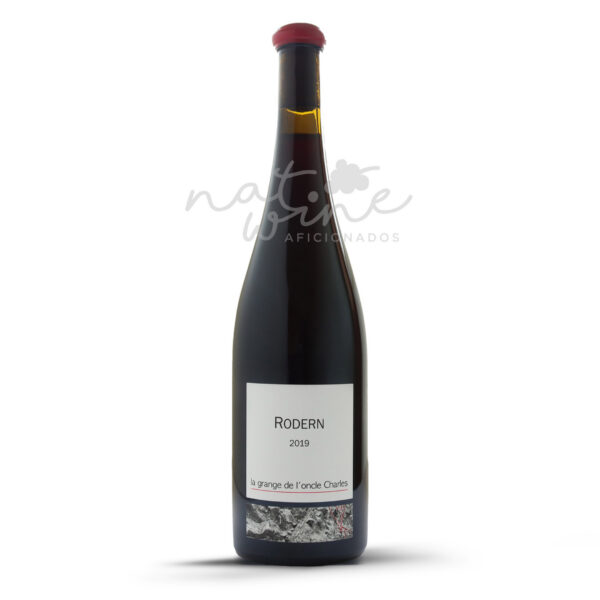
La grange de l'oncle Charles
Rodern 2019
32,00 €
Very aromatic on the nose, showing wild fruits and dried flowers. Dense and spicy in the mouth, with very delicate tannins. Conveying a lot of personality. It is advisable to decant.
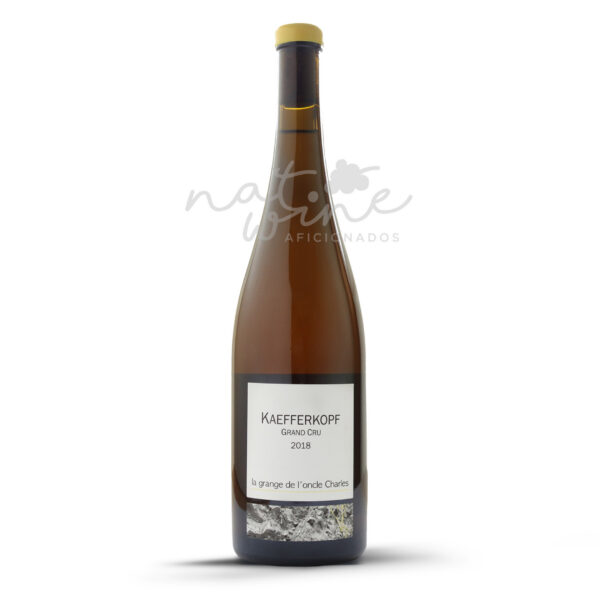
La grange de l'oncle Charles
Kaefferkopf Grand Cru 2018
51,00 €
An old-school kind of wine. On the nose, it shows a complex fusion of tangerine peel, pear, and dried fruits. In the mouth, we feel the rustic, imposing energy, a mixture of power and vivacity. The finish is long and assertive. Ideal to pair with savory, elaborate dishes.
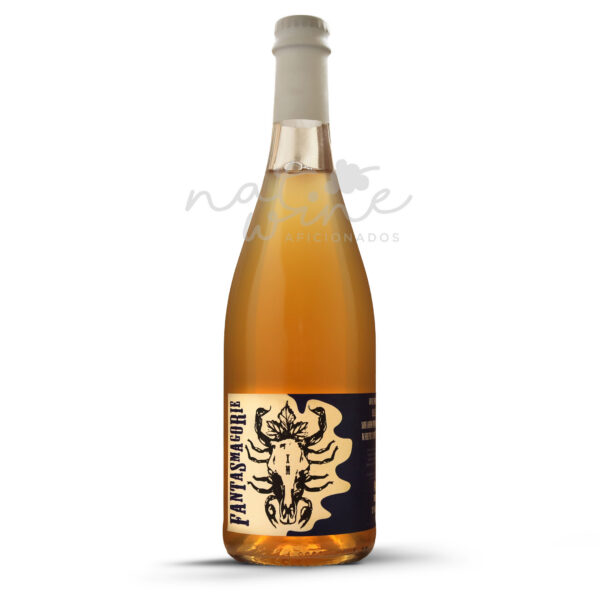
Xavier Marchais
Fantasmagorie 2019
19,60 €
An orange wine made of Chenin! The nose reveals hints of jam, mixed with Spring flowers. In the mouth stands out a balanced acidity. It was bottled with some of the lees to give it some unctuousness over time.
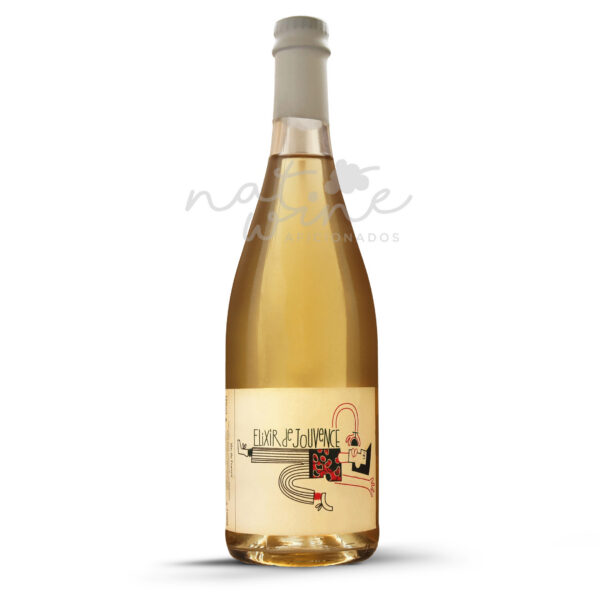
Xavier Marchais
L’ Elixir de Jouvence 2019
17,90 €
Hectic and mineral, showing on the nose aromas of lemon, quince, Spring flowers, all with an oxidative touch. In the mouth, it is alluring and all-embracing. Great aging potential.
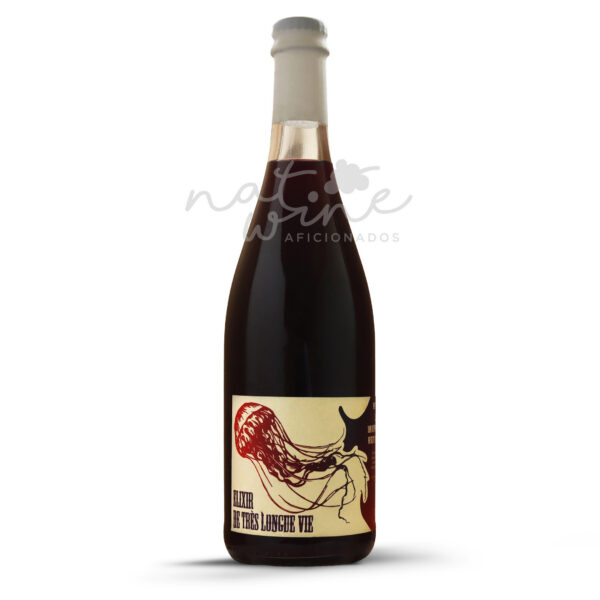
Xavier Marchais
L’ Elixir de Très Longue Vie 2019
15,20 €
Showing polished tannins, it exposes the typicity of this grape when young, i.e., aromas of raw meat, thus conferring it an appealing rustic character. With a great deal of gastronomic appetence. It will be a good idea to serve it with.. strawberries, yes, exactly, strawberries.
MeinKlang
Morgen Edition 3 N.V.
25,00 €
A rosé with a very light effervescence. On the nose, aromas of wild strawberries and redcurrant. Had a tough day at work? Open it in the early evening, between 10–12°C, and see how the vibrant acidity of the Sankt Laurent grape brings a boost of mood and energy!